
Box Styles Guide: Choosing the Right Packaging Structure
Box Styles Guide is your complete resource for understanding the different types of packaging boxes used across retail, e-commerce, food, cosmetics, pharmaceuticals, electronics and luxury products. Whether you are launching a new product or improving existing packaging, this comprehensive guide explains how each box style works, where it performs best and how to choose the ideal packaging solution for your business.
Today’s packaging industry offers hundreds of structural designs, ranging from simple folding cartons to sophisticated rigid presentation boxes with magnetic closures. Although many styles appear similar at first glance, each one has been engineered for a specific purpose. Some prioritise speed of assembly, whereas others maximise strength, product visibility or luxury presentation. Therefore, understanding the differences between common box styles helps businesses invest in packaging that suits both their products and their customers’ expectations.
Packaging structure also influences manufacturing efficiency. A well-designed box minimises material waste, improves packing speed and reduces shipping damage. Furthermore, selecting an appropriate style can lower production costs without compromising quality. For this reason, experienced packaging manufacturers evaluate the product, transport requirements, retail environment and branding objectives before recommending a particular box construction.
Whether you are launching a luxury cosmetic brand, shipping products through an e-commerce store, presenting gourmet food or creating retail packaging, choosing the correct box style should always be one of the first stages of product development rather than an afterthought.
This comprehensive Box Styles Guide explains the most widely used packaging structures, compares their advantages and limitations, highlights the industries that use them most frequently and provides practical advice to help you select the ideal packaging solution for your business.
Box Styles Guide: Why Box Styles Matter
Many businesses concentrate on printed artwork while overlooking the importance of structural packaging design. However, customers often interact with the box before they interact with the product itself. Consequently, the packaging structure becomes a critical part of the overall brand experience.
An effective box style protects products during storage, transportation and retail display. At the same time, it should be easy to assemble, convenient to open and attractive enough to encourage purchasing decisions. Therefore, successful packaging balances engineering with visual appeal.
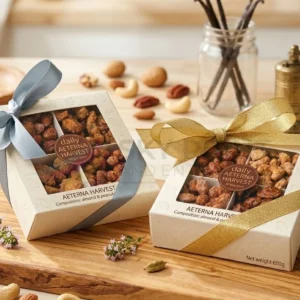
custom window nuts boxes
Packaging Structure Shapes Customer Perception
The way a box opens immediately influences how customers perceive the product inside. For example, a premium magnetic rigid box creates a completely different impression from a standard tuck-end carton, even when both contain identical products. Likewise, a well-designed mailer box enhances the excitement of receiving an online order, while an elegant sleeve box adds sophistication to premium retail packaging.
Different industries also favour different structural styles. Food packaging often prioritises speed and practicality, whereas jewellery and cosmetics require presentation and premium detailing. Electronics packaging focuses on protection, while subscription boxes combine durability with an engaging unboxing experience.
Products such as Printed Foldable Boxes, bespoke Tuck Boxes and premium Boxes by Style demonstrate how structural design can be tailored to different industries while maintaining strong branding and practical performance.
Choosing Structure Before Artwork Saves Time
One of the most common packaging mistakes is creating artwork before confirming the final box style. Although graphics can usually be adjusted, changing the structural design later often requires new dielines, revised dimensions and additional production costs. Consequently, professional packaging projects, such as those delivered by Sky Print and Enterprise, establish the structural design first and develop the artwork afterwards.
By selecting the correct box style at the beginning of the design process, businesses reduce revisions, improve manufacturing efficiency and achieve better overall packaging performance. This approach also ensures that premium finishes, printing techniques and inserts work together with the chosen structure rather than competing against it.
Box Styles Guide: How to Choose the Right Box Style
Every successful packaging project begins with one important decision: selecting the right box structure. Although many packaging styles may appear similar, they perform very differently once the product is packed, transported, displayed and opened by the customer. Consequently, choosing a box style should involve more than simply selecting a design that looks attractive. Businesses should evaluate protection, presentation, production efficiency, shipping requirements and overall customer experience before making a final decision.
The first factor to consider is the product itself. Weight, dimensions, fragility and value all influence which structural design will perform best. A lightweight cosmetic product may only require a folding carton, whereas a premium watch or fragrance benefits from the additional strength and elegance of a rigid presentation box. Likewise, food packaging often prioritises efficient assembly and stacking, while luxury retail packaging focuses on creating a memorable unboxing experience.
Production quantity also affects the most suitable box style. Some structures assemble quickly during large manufacturing runs, making them ideal for high-volume retail products. Others require more manual finishing and therefore suit luxury or limited-edition collections where presentation outweighs production speed.
Rather than asking which box style is the most attractive, businesses should ask which structure best protects the product, supports the brand and meets commercial objectives. Answering these questions early leads to better packaging decisions and fewer production revisions.
Box Styles Guide: Folding Cartons vs Rigid Boxes
One of the most common decisions involves choosing between folding cartons and rigid boxes. Although both are manufactured from paper-based materials, they differ significantly in construction, appearance and cost.
Folding cartons are supplied flat before assembly, making them economical to transport and store. Consequently, they are widely used for retail products, food packaging, cosmetics, pharmaceuticals and consumer goods. They also support high-quality printing, premium finishes and a wide variety of structural designs.
Rigid boxes, by contrast, are manufactured as complete structures using thick paperboard wrapped with printed or decorative materials. Because they cannot be supplied flat, they occupy more storage space and cost more to manufacture. However, they provide exceptional strength and a premium appearance that is difficult to achieve with folding cartons.
When to Choose Folding Cartons
- Retail packaging
- Food products
- Cosmetics
- Pharmaceutical products
- High-volume manufacturing
- Cost-effective packaging solutions
Businesses frequently choose Printed Foldable Boxes, and bespoke folding cartons because they combine attractive printing with efficient production and economical shipping.
When to Choose Rigid Boxes
- Luxury retail products
- Jewellery
- Premium cosmetics
- Corporate gifts
- Presentation packaging
- Collector’s editions
Premium Custom Rigid Boxes and elegant Gift Boxes are ideal where presentation, durability and customer experience take priority over manufacturing cost.
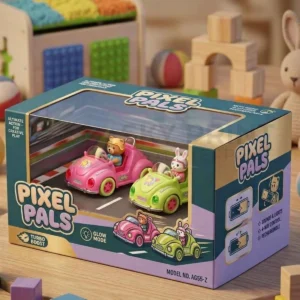
Custom toy boxes with unique designs and protective packaging
Box Styles Guide: Paperboard vs Corrugated Packaging
Selecting the correct material is just as important as selecting the correct box style. Although many people refer to all paper packaging as cardboard, packaging manufacturers distinguish between paperboard and corrugated board because each material performs differently.
Paperboard is smooth, lightweight and highly suitable for premium printing. Consequently, it is widely used for folding cartons, cosmetic packaging, food boxes and retail products where appearance is particularly important.
Corrugated board contains a fluted middle layer positioned between two liner boards. This construction dramatically improves strength while remaining relatively lightweight. Therefore, corrugated packaging is preferred for shipping, e-commerce, heavy products and export packaging.
| Feature | Paperboard | Corrugated Board |
|---|---|---|
| Print Quality | ★★★★★ | ★★★★☆ |
| Strength | ★★★☆☆ | ★★★★★ |
| Retail Appearance | ★★★★★ | ★★★★☆ |
| Shipping Protection | ★★★☆☆ | ★★★★★ |
Understanding these differences ensures the chosen box style performs as expected throughout manufacturing, transportation and retail display.
Box Styles Guide: Why the Opening Experience Matters
Customers often remember how a package opens as clearly as they remember the product itself. Consequently, the opening mechanism has become an essential part of modern packaging design, particularly for luxury brands and online retailers.
A carefully engineered box creates anticipation while protecting the contents. By contrast, difficult or awkward packaging can reduce customer satisfaction regardless of product quality. Therefore, businesses should evaluate the entire opening sequence rather than focusing solely on external appearance.
For example, a Custom Box Sleeve adds elegance to a premium presentation box, while a Cardboard Box with a Window allows customers to view the product before opening it. Likewise, bespoke Die Cut Boxes create distinctive opening experiences through custom structural designs.
Ultimately, every structural choice influences customer perception. Businesses that design packaging around the complete user experience consistently create stronger brands, higher customer satisfaction and greater product recognition.
Expert Recommendation
Choose your box style before finalising artwork, finishes or inserts. A well-planned structure simplifies production, improves product protection and creates a more enjoyable customer experience. Once the correct construction has been selected, premium printing and finishing techniques can be applied far more effectively.
Box Styles Guide: Popular Folding Carton Box Styles
Folding cartons remain one of the most widely used packaging solutions across the retail industry because they combine cost efficiency, attractive printing and versatile structural design. Unlike rigid boxes, folding cartons are supplied flat, allowing manufacturers to reduce storage requirements and shipping costs. Consequently, they are ideal for businesses that require large production volumes without compromising presentation.
Although folding cartons share a similar manufacturing process, each structural style serves a different purpose. Some prioritise rapid assembly, whereas others improve strength, enhance product presentation or support heavier products. Therefore, understanding these structural differences helps businesses select packaging that matches both operational requirements and customer expectations.
This section of the Box Styles Guide introduces four of the most commonly used folding carton designs and explains where each style performs best.
Box Styles Guide: Straight Tuck End (STE)
The Straight Tuck End, often abbreviated as STE, is one of the most popular folding carton styles used throughout the packaging industry. In this design, both the top and bottom closing flaps fold in the same direction. Consequently, the front panel remains clean and visually balanced, making it particularly suitable for premium retail packaging.
Because the front panel is uninterrupted, Straight Tuck End cartons provide excellent space for branding, product information and decorative finishes such as embossing, foil stamping and Spot UV. Therefore, cosmetic brands, skincare companies and luxury retail businesses frequently select this structure.
Advantages of Straight Tuck End Boxes
- Excellent front-facing appearance.
- Easy to assemble.
- Supports premium printing finishes.
- Suitable for lightweight to medium-weight products.
- Efficient for automated production lines.
Many Perfume Boxes, Serum Boxes and Comb Boxes use Straight Tuck End construction because it combines attractive presentation with efficient manufacturing.
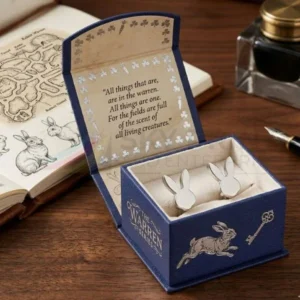
Premium magnetic closure cufflink box designed for luxury presentation and secure packaging.
Box Styles Guide: Reverse Tuck End (RTE)
Reverse Tuck End cartons differ from Straight Tuck End boxes because the top and bottom flaps fold in opposite directions. Although this change appears minor, it reduces material waste during manufacturing and often improves production efficiency for standard retail packaging.
Reverse Tuck End packaging is widely used for pharmaceuticals, cosmetics, electronics, confectionery and general consumer products. Consequently, it has become one of the industry’s most frequently manufactured carton styles.
Benefits of Reverse Tuck End Packaging
- Economical material usage.
- Fast assembly.
- Suitable for automated packing lines.
- Excellent print surface.
- Cost-effective for large production volumes.
Businesses requiring practical yet attractive packaging often choose bespoke Tuck Boxes because they deliver reliable performance while keeping manufacturing costs under control.
Although Reverse Tuck End cartons suit numerous retail products, they are generally recommended for lightweight and medium-weight items rather than heavy products.
Box Styles Guide: Auto Lock Bottom (Crash Bottom)
Auto Lock Bottom boxes, sometimes called Crash Bottom cartons, feature a pre-glued base that locks automatically when the carton is opened. As a result, assembly becomes significantly faster because operators do not need to fold and secure multiple bottom flaps manually.
This construction also provides greater strength than standard tuck-bottom cartons. Therefore, Auto Lock Bottom boxes are ideal for products requiring additional support without moving to more expensive rigid packaging.
Best Applications
- Glass bottles.
- Food products.
- Health supplements.
- Premium beverages.
- Medium-weight retail products.
- Gift packaging.
Products such as Honey Packaging, speciality food packaging and premium retail cartons often benefit from Auto Lock Bottom construction because the stronger base improves product security during transportation.
Advantages of Auto Lock Bottom Boxes
Besides improving strength, this structure reduces packing time, increases production efficiency and provides greater confidence when shipping heavier products. Consequently, businesses handling large production volumes frequently select Auto Lock Bottom packaging despite its slightly higher manufacturing cost.
Box Styles Guide: Crash Lock Bottom vs Standard Bottom Boxes
Although the terms Crash Lock Bottom and Auto Lock Bottom are frequently used interchangeably, many businesses compare them with conventional tuck-bottom cartons when evaluating packaging options.
A standard tuck-bottom carton requires manual folding before use. By contrast, a Crash Lock Bottom automatically forms a secure base as soon as the carton is opened. Consequently, assembly time decreases dramatically, particularly during high-volume packing operations.
| Feature | Standard Bottom | Crash Lock Bottom |
|---|---|---|
| Assembly Speed | ★★★☆☆ | ★★★★★ |
| Bottom Strength | ★★★☆☆ | ★★★★★ |
| Production Cost | Lower | Slightly Higher |
| Best For | Lightweight products | Medium and heavier products |
When businesses need stronger packaging without switching to rigid boxes, Auto Lock Bottom cartons often provide the ideal balance between performance, efficiency and cost.
Expert Recommendation
For lightweight retail products, Straight Tuck End and Reverse Tuck End cartons remain excellent choices because they are economical and highly printable. However, if your product is heavier or requires additional support, investing in an Auto Lock Bottom structure will improve both packing efficiency and product protection while maintaining an attractive retail appearance.
Box Styles Guide: High-Performance Folding Carton Styles
As packaging requirements become more specialised, manufacturers often move beyond basic tuck-end cartons and select structures designed for greater strength, faster assembly or improved product dispensing. Although these styles require more complex dielines and manufacturing processes, they provide practical advantages that justify their additional production cost. Consequently, many industries rely on these advanced folding carton designs to improve efficiency throughout manufacturing, transportation and retail display.
The following box styles are particularly popular for food packaging, healthcare products, household goods, subscription packaging and high-volume retail manufacturing because they combine durability with operational efficiency.
Box Styles Guide: Seal End Boxes
Seal End boxes are designed for automated packing lines where speed and security are essential. Instead of closing with tuck flaps, the top and bottom panels are permanently sealed using adhesive during the packing process. As a result, the finished package offers excellent structural integrity while preventing accidental opening during transportation.
This box style is widely used for pharmaceutical products, frozen foods, cereals, healthcare products and consumer goods that require tamper-resistant packaging. Furthermore, because both ends are glued during production, Seal End cartons perform exceptionally well in high-speed manufacturing environments.
Key Benefits of Seal End Packaging
- Excellent security during transport.
- Suitable for automated filling lines.
- Professional retail appearance.
- Strong structural stability.
- Reduced risk of accidental opening.
Businesses manufacturing products in large volumes frequently select Seal End cartons because they improve production efficiency while maintaining consistent packaging quality.
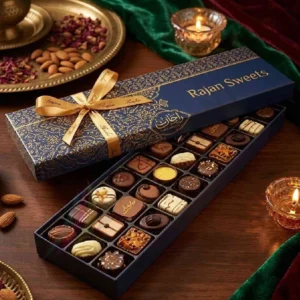
Rigid Wholesale Chocolate Boxes UK
Box Styles Guide: Snap Lock Bottom Boxes
Snap Lock Bottom cartons provide a practical alternative to Auto Lock Bottom packaging. Instead of using a pre-glued base, four interlocking flaps are folded manually to create a secure bottom. Consequently, businesses benefit from greater strength without the additional manufacturing costs associated with pre-glued constructions.
This design supports products that are heavier than standard retail cartons but do not require fully rigid packaging. Therefore, Snap Lock Bottom boxes are commonly used for bottles, electronics, candles, health products and premium food items.
Advantages of Snap Lock Bottom Boxes
- Stronger than conventional tuck bottoms.
- Lower manufacturing cost than Auto Lock Bottom.
- Reliable support for medium-weight products.
- Simple manual assembly.
- Suitable for premium retail packaging.
Where businesses require dependable strength without increasing production complexity, Snap Lock Bottom packaging often provides the ideal balance between durability and affordability.
Box Styles Guide: Tuck Top Auto Bottom (TTAB)
The Tuck Top Auto Bottom, commonly abbreviated as TTAB, combines two highly effective structural features within one carton. The top closes using a traditional tuck flap, whereas the bottom locks automatically when the carton is opened. Consequently, this style provides both convenience and excellent structural strength.
TTAB packaging is especially suitable for products that require quick packing while maintaining a secure base. Cosmetics, beverages, speciality foods, candles and promotional gift products frequently use this construction because it improves operational efficiency without sacrificing retail presentation.
When Should You Choose TTAB Packaging?
Choose this structure when your product requires faster assembly than a standard folding carton but does not justify the expense of rigid packaging. In addition, TTAB cartons perform particularly well where products are displayed upright on retail shelves.
Luxury packaging projects often enhance TTAB cartons with embossing, foil stamping, Spot UV or soft-touch lamination to create an appearance that rivals considerably more expensive packaging formats. Sky Print and Enterprise can help businesses select suitable box structures and premium finishing options based on their product, branding and packaging requirements.
Box Styles Guide: Dispenser Boxes
Dispenser boxes are specifically designed to allow products to be removed individually while the remaining contents stay neatly organised inside the packaging. Consequently, they are widely used for tissues, sachets, tea bags, confectionery, medical supplies and retail promotional products.
Unlike conventional cartons, dispenser boxes include specially designed openings that provide quick product access without damaging the structure. Therefore, they improve customer convenience while extending the useful life of the packaging itself.
Retail and Promotional Applications
Many countertop retail displays incorporate dispenser-style packaging because it allows customers to remove products easily while maintaining an attractive presentation throughout the sales period. Likewise, healthcare and pharmaceutical companies frequently select dispenser cartons for products requiring controlled access.
Custom Die Cut Boxes often form the basis of dispenser packaging because bespoke openings can be engineered to suit virtually any product size or dispensing method.
Creative Structural Variations
Modern dispenser packaging can incorporate tear-away panels, perforations, locking tabs and reinforced openings. As a result, manufacturers create packaging that remains attractive even after repeated use. Businesses seeking distinctive retail packaging frequently combine dispenser functionality with custom graphics and premium finishing techniques to strengthen brand visibility.
Box Styles Guide: Speciality Folding Cartons
Beyond traditional retail cartons, many businesses require packaging that reflects the unique characteristics of their products. Consequently, manufacturers develop speciality box styles that combine structural creativity with practical functionality.
For example, elegant Pillow Boxes provide an excellent solution for jewellery, gift cards, accessories and promotional products because their curved profile creates an attractive presentation using minimal material.
Similarly, practical Gable Boxes include an integrated carrying handle, making them particularly suitable for takeaway food, event giveaways, bakery products and corporate gifts.
Where lightweight products require economical shipping, bespoke Lightweight Boxes reduce transportation costs while maintaining excellent print quality and structural reliability.
Finally, versatile Cube Storage Boxes combine practical organisation with decorative presentation, making them popular for home storage, retail displays and premium gift packaging.
Expert Recommendation
Advanced folding carton styles offer much more than visual variety. They improve production efficiency, strengthen product protection and enhance customer convenience. Before selecting a structure, consider how the package will be filled, transported, displayed and opened. Choosing the right design at the beginning of the project almost always produces better commercial results while reducing manufacturing complications later.
Box Styles Guide: Mailer Boxes and E-commerce Packaging
The rapid growth of online shopping has transformed packaging requirements across almost every industry. While retail packaging traditionally focused on attracting customers in physical stores, modern e-commerce packaging must also protect products throughout the delivery journey. Consequently, businesses increasingly select box styles that combine durability, efficient shipping and an impressive unboxing experience.
Unlike many folding cartons, mailer boxes are engineered to withstand transportation without requiring an additional outer shipping carton. Their strong interlocking construction improves structural integrity while eliminating the need for excessive adhesive. Furthermore, these boxes offer generous printable surfaces, allowing brands to communicate their identity both inside and outside the packaging.
Whether a company sells cosmetics, clothing, electronics, subscription products or promotional gifts, selecting the correct mailer box style helps minimise transit damage while creating a memorable first impression when the customer opens the parcel.
Box Styles Guide: Roll End Tuck Front (RETF)
The Roll End Tuck Front, commonly known as RETF, is one of the most widely used mailer box styles in the packaging industry. It features side panels that roll inward to reinforce the walls while the front flap locks securely into position. Consequently, this design provides exceptional strength without requiring glue during assembly.
Because the structure is both durable and easy to assemble, Roll End Tuck Front boxes are particularly popular for e-commerce businesses. They protect products during transportation while creating a neat, professional appearance when opened by the customer.
Advantages of Roll End Tuck Front Boxes
- Strong self-locking construction.
- No adhesive required during assembly.
- Excellent protection during shipping.
- Large printable interior and exterior surfaces.
- Suitable for subscription and retail packaging.
Many premium Shipping Boxes and Golf Subscription Boxes use RETF construction because it combines durability with an outstanding customer experience.
Strong and durable golf club shipping boxes designed for safe delivery of long and heavy items.
Box Styles Guide: Front Lock Mailer Boxes
Front Lock Mailers build upon the Roll End Tuck Front concept by incorporating a reinforced locking mechanism that secures the front panel more firmly during transportation. As a result, they provide additional protection for products shipped over longer distances or handled frequently within courier networks.
This box style is particularly suitable for premium e-commerce brands because it creates a satisfying opening sequence while keeping products secure throughout transit. Moreover, the reinforced front closure improves structural rigidity without significantly increasing production costs.
Ideal Uses
- Subscription boxes.
- Luxury retail deliveries.
- Corporate gift packs.
- Electronics.
- Fashion accessories.
- Promotional kits.
Businesses seeking packaging that combines excellent product protection with premium presentation often select Front Lock Mailers because they enhance both operational performance and customer satisfaction.
Box Styles Guide: Shipping Boxes
Shipping boxes differ from standard retail cartons because their primary purpose is protecting products during transportation. Consequently, strength, compression resistance and stacking performance become more important than decorative presentation alone.
Most shipping boxes are manufactured from corrugated board because the fluted internal layer absorbs impact while maintaining a relatively lightweight structure. Therefore, corrugated packaging remains the preferred solution for e-commerce, wholesale distribution and export shipments.
Choosing the Right Shipping Box
Selecting an appropriate shipping box involves evaluating several important factors, including product weight, fragility, delivery distance, storage conditions and courier handling. Businesses should also consider void fill, protective inserts and internal dividers where additional product security is required.
| Requirement | Recommended Solution |
|---|---|
| Heavy Products | Double-wall corrugated box |
| Luxury Products | Mailer with protective insert |
| Fragile Goods | Corrugated box with cushioning |
| Retail Deliveries | Printed mailer box |
Premium Shipping Boxes combine structural strength with high-quality printing, enabling businesses to protect products while reinforcing their brand identity.
Box Styles Guide: E-commerce Packaging Trends
Customer expectations have changed dramatically over recent years. Today, consumers expect packaging that arrives undamaged, opens easily and reflects the quality of the brand. Consequently, e-commerce packaging has evolved from simple protective cartons into an essential marketing tool.
Successful online retailers now invest in structural packaging that enhances the complete customer journey. Printed interiors, branded inserts, thank-you cards and premium finishes all contribute to a memorable unboxing experience. Furthermore, reusable packaging encourages customers to retain the box, extending brand visibility long after delivery.
Features Modern Customers Appreciate
- Easy-open locking systems.
- Minimal plastic packaging.
- Recyclable corrugated materials.
- High-quality interior printing.
- Protective product inserts.
- Strong yet lightweight construction.
- Clean and attractive presentation.
Brands selling products such as Custom Dog Toy Boxes, Toy Packaging and premium subscription products increasingly choose bespoke mailer boxes because they combine product protection with excellent branding opportunities.
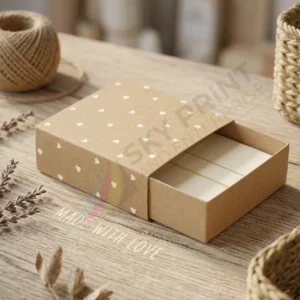
High-quality custom eco-friendly Kraft boxes designed for UK businesses seeking sustainable packaging solutions.
Box Styles Guide: Mailer Boxes vs Standard Shipping Boxes
Although people often use the terms interchangeably, mailer boxes and standard shipping boxes serve different purposes. Understanding the distinction helps businesses choose the most appropriate packaging solution.
| Feature | Mailer Box | Shipping Box |
|---|---|---|
| Presentation | ★★★★★ | ★★★☆☆ |
| Transit Protection | ★★★★☆ | ★★★★★ |
| Unboxing Experience | ★★★★★ | ★★★☆☆ |
| Brand Visibility | ★★★★★ | ★★★★☆ |
Many businesses combine both styles by placing a luxury retail box inside a durable shipping carton. This approach protects the product during delivery while ensuring the customer still enjoys a premium presentation when the package is opened.
Expert Recommendation
If your products are sold online, treat your shipping box as part of your marketing strategy rather than simply a protective container. A well-designed mailer box strengthens your brand, improves customer satisfaction and encourages repeat purchases while reducing the likelihood of shipping damage.
Box Styles Guide: Premium Presentation Box Styles
Not every packaging project is designed purely for shipping or retail display. Many premium brands invest in presentation-focused packaging that creates a memorable first impression while reflecting the quality of the product inside. Consequently, sleeve boxes, drawer boxes and other premium structural designs have become increasingly popular across the luxury retail sector.
Unlike standard folding cartons, these packaging styles encourage customers to interact with the box before reaching the product. The opening experience becomes part of the brand story, helping businesses increase perceived value, strengthen customer loyalty and encourage social sharing. Furthermore, many presentation boxes are designed to be retained and reused, extending brand visibility long after purchase.
This section of the Box Styles Guide explores some of the most elegant packaging structures available for premium retail products and luxury gift presentation.
Box Styles Guide: Sleeve Boxes
Sleeve boxes consist of two components: an inner carton that holds the product and an outer sleeve that slides over it. Although the structure is relatively simple, it creates a premium appearance while providing additional opportunities for branding and decorative finishes.
Because the sleeve offers a separate printable surface, businesses can use contrasting colours, metallic foils, embossing or Spot UV to highlight logos and promotional messages. As a result, sleeve packaging is particularly popular for cosmetics, electronics, gift products and premium food packaging.
Why Sleeve Packaging Is So Popular
- Elegant opening experience.
- Additional branding space.
- Easy product access.
- Supports luxury print finishes.
- Cost-effective premium appearance.
Premium Custom Box Sleeves provide an excellent solution for businesses seeking to upgrade standard cartons without significantly increasing manufacturing costs.
Box Styles Guide: Tray and Sleeve Boxes
Tray and Sleeve packaging builds upon the standard sleeve concept by incorporating a rigid or folding tray that slides smoothly from the outer sleeve. Consequently, customers enjoy a more premium opening experience while the product remains securely supported throughout transportation and display.
This construction is widely used for confectionery, luxury cosmetics, electronics, jewellery and promotional gift products because it combines structural stability with sophisticated presentation.
Benefits of Tray and Sleeve Packaging
- Excellent product presentation.
- Strong internal protection.
- Suitable for custom inserts.
- Ideal for premium branding.
- Reusable by customers.
Many businesses also incorporate foam, paperboard or moulded pulp inserts inside the tray, ensuring products remain securely positioned while enhancing the overall unboxing experience.
Box Styles Guide: Drawer Boxes
Drawer boxes, sometimes referred to as slide boxes or pull-out boxes, feature a tray that slides from a rigid outer shell. This elegant opening mechanism immediately communicates quality and exclusivity, making it one of the most recognisable luxury packaging styles.
Unlike conventional cartons, drawer boxes encourage customers to interact slowly with the packaging, building anticipation before revealing the product. Consequently, many premium brands select this construction for jewellery, watches, perfumes, accessories and corporate gifts.
Industries That Prefer Drawer Boxes
- Luxury jewellery.
- Premium watches.
- Perfume packaging.
- Corporate gifts.
- Technology accessories.
- Collector’s products.
Luxury Gift Boxes, premium Rigid Boxes, Bracelet Boxes and Cufflink Boxes frequently adopt drawer-style construction because it enhances perceived value while offering outstanding product protection.
Box Styles Guide: Match Boxes
Match boxes share many characteristics with drawer boxes but generally feature a simpler construction and more compact dimensions. Their sliding mechanism provides smooth product access while maintaining a clean, minimalist appearance.
Although originally associated with traditional match packaging, this structural style has evolved considerably and now appears across numerous premium retail sectors. Consequently, businesses use match-style boxes for cosmetics, jewellery, stationery, promotional items and artisan food products.
Why Brands Choose Match Box Structures
Match boxes provide an attractive presentation without requiring complex hinges or magnetic closures. Moreover, they support a wide variety of decorative finishes including foil stamping, embossing, debossing and textured papers. This flexibility enables brands to create premium packaging while controlling production costs.
Box Styles Guide: Slipcases
Slipcases are protective outer covers designed to enclose books, presentation boxes or premium product collections. Unlike conventional packaging, a slipcase leaves one side open, allowing the contents to slide smoothly into or out of the structure. Consequently, it combines elegant presentation with additional protection.
Luxury publishers, collector’s editions, technology brands and premium gift manufacturers frequently use slipcases because they enhance perceived value while protecting products from dust, abrasion and light damage.
Ideal Applications
- Collector’s editions.
- Luxury books.
- Presentation kits.
- Corporate welcome packs.
- Gift collections.
- Limited-edition packaging.
Slipcases also provide another printable surface for branding, allowing businesses to incorporate premium finishes without altering the inner packaging.
Box Styles Guide: Comparing Premium Presentation Styles
| Box Style | Presentation | Protection | Best For |
|---|---|---|---|
| Sleeve Box | ★★★★★ | ★★★★☆ | Retail & cosmetics |
| Tray & Sleeve | ★★★★★ | ★★★★★ | Luxury gifts |
| Drawer Box | ★★★★★ | ★★★★★ | Jewellery & premium retail |
| Match Box | ★★★★☆ | ★★★★☆ | Accessories & stationery |
| Slipcase | ★★★★★ | ★★★★★ | Books & presentation sets |
Each presentation style serves a different commercial purpose. Therefore, businesses should evaluate product dimensions, branding objectives, customer expectations and budget before selecting the most suitable construction.
Expert Recommendation
Premium presentation packaging should do more than protect the product—it should become part of the customer experience. By combining an appropriate box style with luxury finishes, custom inserts and thoughtful structural design, businesses can create packaging that customers remember long after the purchase.
Box Styles Guide: Luxury Rigid Box Styles
Rigid boxes represent the highest tier of paper-based packaging. Unlike folding cartons, which arrive flat and are assembled during packing, rigid boxes are manufactured as fully formed structures using thick paperboard wrapped with printed or decorative materials. Consequently, they provide exceptional strength, premium presentation and an unmistakable feeling of quality the moment customers pick them up.
Luxury brands invest in rigid packaging because it does far more than protect the product. It communicates craftsmanship, reinforces brand positioning and transforms the unboxing experience into an important marketing opportunity. Furthermore, rigid boxes are often retained and reused by customers, extending brand visibility long after the original purchase.
Although rigid packaging costs more than conventional folding cartons, the increased perceived value frequently outweighs the additional investment, especially for premium retail products, corporate gifts and luxury collections.
Box Styles Guide: Custom Rigid Boxes
Custom rigid boxes are manufactured from high-density greyboard that is wrapped with printed paper, textured materials or speciality finishes. As a result, they deliver outstanding structural stability while providing virtually unlimited branding possibilities.
Unlike many standard cartons, rigid boxes support luxury features such as magnetic closures, ribbon pulls, foam inserts, shoulder constructions, soft-touch laminations, foil stamping and embossing. Therefore, they remain the preferred choice for brands seeking premium packaging that reflects product quality.
Benefits of Rigid Packaging
- Exceptional strength and durability.
- Premium customer perception.
- Excellent protection for valuable products.
- Supports luxury finishing techniques.
- Reusable and highly durable.
- Ideal for bespoke inserts.
Businesses selling high-value products frequently choose Custom Rigid Boxes because they combine elegant presentation with outstanding product protection.
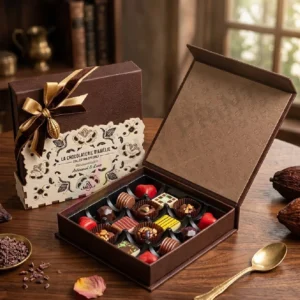
magnetic rigid chocolate packaging box
Box Styles Guide: Magnetic Closure Boxes
Magnetic closure boxes are among the most recognisable luxury packaging styles available today. Hidden magnets are integrated into the lid and front panel, creating a secure closure that opens and closes smoothly while producing a refined premium feel.
Because the opening mechanism feels both effortless and sophisticated, magnetic boxes are widely used for cosmetics, luxury apparel, electronics, watches, jewellery and executive corporate gifts. Furthermore, customers often retain these boxes for long-term storage, increasing brand exposure well beyond the initial purchase.
Why Luxury Brands Prefer Magnetic Boxes
- Elegant opening experience.
- Excellent structural strength.
- Reusable by customers.
- Suitable for premium inserts.
- Supports every major luxury finishing technique.
Magnetic closure boxes are frequently enhanced with gold foil, soft-touch lamination, embossing and ribbon pulls, creating packaging that immediately communicates exclusivity.
Box Styles Guide: Shoulder Neck Boxes
Shoulder Neck boxes consist of three separate components: a base, a lid and a raised internal shoulder positioned between them. When the lid closes, the shoulder remains partially visible, producing an elegant layered appearance that immediately distinguishes the packaging from conventional rigid boxes.
This construction provides excellent alignment between the lid and base while increasing overall structural strength. Consequently, luxury perfume brands, jewellery manufacturers and premium gift companies frequently select Shoulder Neck packaging for high-value products.
Advantages of Shoulder Neck Construction
- Premium layered appearance.
- Outstanding structural accuracy.
- Excellent support for heavy products.
- Ideal for decorative inner colours.
- Highly suitable for luxury branding.
Many luxury brands use contrasting colours on the exposed shoulder to create an additional visual feature that complements the exterior artwork.
Box Styles Guide: Book Style Boxes
Book style boxes feature a hinged lid that opens in the same way as a hardback book. Consequently, they create a premium presentation while allowing the product to remain securely positioned inside custom inserts.
This elegant opening sequence encourages customers to spend more time interacting with the packaging, making it particularly suitable for luxury retail products and presentation gifts. Furthermore, the large interior surfaces provide additional opportunities for printed branding, welcome messages and product storytelling.
Popular Applications
- Corporate welcome packs.
- Luxury cosmetics.
- Presentation folders.
- Technology products.
- Premium gift collections.
- Collector’s editions.
Many premium Gift Boxes, branded presentation kits and executive packaging projects adopt the book-style construction because it creates a memorable first impression while protecting valuable contents.
Box Styles Guide: Two-Piece Boxes
Two-piece boxes remain one of the most timeless packaging styles in the luxury market. The construction consists of a separate lid and base that fit together precisely, creating a clean and balanced appearance suitable for numerous industries.
Because the structure is simple yet highly effective, two-piece boxes accommodate a wide variety of product sizes and custom inserts. Therefore, businesses use them for apparel, confectionery, cosmetics, promotional gifts, premium stationery and jewellery packaging.
Why Two-Piece Boxes Remain Popular
- Classic premium appearance.
- Excellent structural stability.
- Easy to customise.
- Compatible with decorative inserts.
- Supports every luxury print finish.
Premium Wedding Favor Boxes, elegant Scarf Gift Boxes and luxury retail packaging frequently use this proven construction because it balances sophistication with reliable performance.
Box Styles Guide: Comparing Luxury Rigid Box Styles
| Box Style | Luxury Appeal | Protection | Best Application |
|---|---|---|---|
| Rigid Box | ★★★★★ | ★★★★★ | Premium retail |
| Magnetic Box | ★★★★★ | ★★★★★ | Luxury gifts |
| Shoulder Neck Box | ★★★★★ | ★★★★★ | Jewellery & perfumes |
| Book Style Box | ★★★★★ | ★★★★★ | Presentation kits |
| Two-Piece Box | ★★★★★ | ★★★★★ | Gift packaging |
Expert Recommendation
Rigid packaging is an investment in your brand rather than simply a packaging expense. If your products compete in the premium market, selecting the appropriate rigid box style can significantly improve customer perception, increase perceived product value and create an unforgettable unboxing experience that encourages repeat purchases.
Box Styles Guide: Display and Retail Packaging Styles
Retail packaging has two important responsibilities. First, it must protect the product throughout transportation and handling. Second, it must attract attention when displayed on shelves. Consequently, many manufacturers choose specialised display box styles that combine structural performance with outstanding visual impact. These packaging solutions encourage customers to interact with the product while helping brands stand out in highly competitive retail environments.
Unlike conventional cartons that remain closed until purchase, display packaging allows customers to view or access the product before buying. Therefore, retailers often use window boxes, countertop displays and point-of-purchase packaging to increase product visibility and encourage impulse purchases.
The following retail box styles demonstrate how thoughtful structural design can improve merchandising, strengthen branding and increase sales opportunities.
Box Styles Guide: Window Boxes
Window boxes feature a precisely die-cut opening that allows customers to view the product without opening the package. In many cases, a transparent PET or recyclable film is applied behind the opening to protect the contents while maintaining full visibility. Consequently, this style combines product protection with excellent shelf appeal.
Because consumers can inspect the product before purchase, window packaging builds confidence and reduces uncertainty. As a result, it has become one of the most widely used packaging styles for food, cosmetics, toys, candles, confectionery and gift products.
Advantages of Window Boxes
- Shows the actual product.
- Builds customer trust.
- Enhances shelf presentation.
- Supports premium printing.
- Suitable for numerous industries.
- Can incorporate custom die-cut shapes.
Premium Cardboard Boxes with a Window provide an excellent balance between product protection and attractive retail presentation.
Box Styles Guide: Counter Display Boxes (CDUs)
Counter Display Units, commonly known as CDUs, are designed to present products directly at checkout counters or promotional locations. Instead of acting purely as shipping cartons, these boxes transform into attractive retail displays immediately after delivery. Consequently, retailers save time while maintaining an organised presentation.
Many CDU designs incorporate perforated tear-away panels that convert a closed shipping carton into an open retail display within seconds. Therefore, businesses reduce labour costs while improving product visibility.
Products Commonly Packed in CDUs
- Chocolate bars.
- Energy drinks.
- Lip balm.
- Healthcare products.
- Stationery.
- Promotional giveaways.
- Small electronics.
Because checkout areas generate high customer traffic, well-designed counter display packaging often increases impulse purchases significantly.
Box Styles Guide: Point of Purchase (POP) Packaging
Point of Purchase packaging, often abbreviated as POP packaging, refers to packaging specifically engineered to attract attention at the exact location where purchasing decisions occur. Consequently, POP displays combine structural engineering, printed graphics and merchandising principles to maximise product visibility.
Unlike conventional retail cartons, POP packaging often incorporates bold colours, oversized branding, promotional messaging and eye-catching structural elements. Therefore, supermarkets, department stores and speciality retailers frequently use these displays for seasonal promotions and new product launches.
Benefits of POP Packaging
- Increases product visibility.
- Supports promotional campaigns.
- Encourages impulse purchases.
- Strengthens brand recognition.
- Suitable for temporary retail displays.
Modern POP packaging frequently incorporates digitally printed graphics, custom die-cut shapes and interchangeable promotional panels that simplify seasonal marketing campaigns.
Box Styles Guide: Display Boxes
Display boxes are designed to showcase multiple products while maintaining organised presentation on retail shelves. Although they resemble conventional cartons during transportation, many incorporate perforations or folding panels that convert the package into a display unit once opened.
This combination of shipping carton and retail display reduces handling throughout the supply chain while ensuring products remain neatly arranged for customers. Consequently, display boxes improve operational efficiency for manufacturers, distributors and retailers alike.
Where Display Boxes Perform Best
- Retail promotions.
- Convenience stores.
- Health supplements.
- Bakery products.
- Cosmetics.
- Seasonal merchandise.
Many display boxes incorporate reinforced back panels that keep printed branding visible even after numerous products have been removed.
For haircare and grooming brands, packaging should combine product protection with strong shelf appeal. Explore our custom hair fiber boxes wholesale for professionally printed packaging tailored to hair fibre and cosmetic products.
Box Styles Guide: Custom Die-Cut Display Packaging
Die-cut technology allows manufacturers to create display packaging with virtually unlimited structural possibilities. Instead of relying on standard rectangular openings, custom dies produce unique windows, hanging tabs, dispensing slots and decorative shapes that strengthen brand recognition.
Creative die-cut displays encourage customer interaction while highlighting important product features. Furthermore, unusual structural shapes often distinguish products from competing brands on crowded retail shelves.
Popular Die-Cut Features
- Custom product windows.
- Carry handles.
- Euro hanging slots.
- Interactive opening panels.
- Integrated display stands.
- Branded structural shapes.
Professionally engineered Die Cut Boxes allow businesses to create highly distinctive retail packaging that supports both functionality and premium branding.
Box Styles Guide: Comparing Retail Display Box Styles
| Display Style | Visibility | Protection | Best Application |
|---|---|---|---|
| Window Box | ★★★★★ | ★★★★☆ | Retail packaging |
| Counter Display Unit | ★★★★★ | ★★★★☆ | Checkout promotions |
| POP Packaging | ★★★★★ | ★★★☆☆ | Marketing campaigns |
| Display Box | ★★★★★ | ★★★★☆ | Retail shelving |
| Die-Cut Display | ★★★★★ | ★★★★☆ | Premium branding |
Every retail environment has different merchandising requirements. Therefore, selecting the correct display structure helps maximise visibility, improve customer interaction and increase conversion rates without compromising product protection.
Expert Recommendation
Retail packaging should do more than contain a product—it should encourage customers to stop, explore and buy. By combining the right display box style with high-quality printing and carefully engineered structures, businesses can improve shelf impact, strengthen brand recognition and increase sales across both independent retailers and major supermarket chains.
Box Styles Guide: Choosing the Right Box Style for Every Industry
Selecting the correct box style involves far more than choosing an attractive design. Every industry has unique packaging requirements based on product weight, storage conditions, transportation methods, customer expectations and regulatory requirements. Consequently, the most successful packaging solutions combine structural performance with effective branding and practical functionality.
A luxury perfume requires elegant presentation and premium finishes, whereas frozen food packaging prioritises strength, moisture resistance and production efficiency. Similarly, e-commerce packaging must withstand courier handling, while retail packaging often focuses on shelf impact and impulse purchasing. Therefore, understanding how different industries use box styles helps businesses make better packaging decisions and avoid costly redesigns.
The following examples demonstrate how various sectors select packaging structures that support both commercial objectives and customer satisfaction.
Box Styles Guide: Food and Bakery Packaging
Food packaging demands a careful balance between hygiene, protection, product presentation and transportation performance. Consequently, manufacturers often choose folding cartons, gable boxes, window boxes and corrugated shipping cartons depending on the type of food being packaged.
For bakery products, window boxes allow customers to see cakes, pastries and desserts before purchasing. Meanwhile, takeaway meals frequently use gable boxes because the integrated handle improves convenience. Likewise, premium confectionery often relies on rigid boxes with inserts to protect delicate products while creating a luxury presentation.
Common Box Styles for Food Packaging
- Window boxes.
- Gable boxes.
- Tray and sleeve boxes.
- Folding cartons.
- Corrugated shipping cartons.
Choosing food-safe board grades, appropriate barrier coatings and suitable structural designs helps businesses protect freshness while maintaining compliance with food packaging standards.
Box Styles Guide: Cosmetic and Beauty Packaging
The cosmetics industry depends heavily on premium presentation because packaging often influences purchasing decisions before customers experience the product itself. Consequently, luxury rigid boxes, magnetic closure boxes, sleeve cartons and Shoulder Neck constructions remain popular throughout the beauty sector.
Beauty brands frequently enhance these structures with soft-touch lamination, foil stamping, embossing and Spot UV to create memorable unboxing experiences. Furthermore, custom inserts keep bottles and jars securely positioned while reinforcing the premium perception of the brand.
Recommended Styles for Cosmetics
- Magnetic rigid boxes.
- Drawer boxes.
- Sleeve boxes.
- Book style boxes.
- Two-piece luxury boxes.
Premium cosmetic packaging benefits from strong structural engineering because attractive presentation must also protect fragile glass containers during storage and transportation.
Box Styles Guide: Pharmaceutical Packaging
Pharmaceutical packaging prioritises accuracy, product protection and regulatory compliance above decorative presentation. Consequently, Reverse Tuck End, Straight Tuck End and Seal End cartons remain among the most commonly used structures within the healthcare industry.
These packaging styles provide secure closures while offering sufficient space for dosage instructions, legal information, batch numbers and expiry dates. In addition, many pharmaceutical cartons include tamper-evident features that increase consumer confidence.
Packaging Requirements
- Clear product information.
- Tamper evidence.
- Reliable structural integrity.
- Accurate barcode printing.
- Consistent manufacturing quality.
Healthcare packaging should always comply with relevant regulatory requirements while maintaining excellent readability and reliable product protection throughout the supply chain.
Box Styles Guide: Electronics Packaging
Electronic products often combine high value with fragile components. Therefore, packaging must provide excellent shock resistance while maintaining an attractive retail appearance. Consequently, rigid boxes, magnetic closure boxes and corrugated shipping cartons with protective inserts remain the preferred choices.
Foam inserts, moulded pulp trays and precision-cut paperboard supports minimise movement during transportation while presenting the product neatly when the customer opens the package.
Recommended Structures
- Rigid presentation boxes.
- Book style boxes.
- Mailer boxes with inserts.
- Corrugated shipping cartons.
- Magnetic closure packaging.
Businesses selling premium electronics often combine luxury retail packaging with an additional corrugated shipping carton to maximise protection during delivery.
Box Styles Guide: Apparel and Fashion Packaging
Fashion packaging reflects brand identity just as much as the products themselves. Consequently, premium clothing brands often invest in rigid gift boxes, magnetic closure packaging and elegant sleeve boxes that reinforce the perceived value of their collections.
Luxury apparel brands frequently coordinate packaging colours, ribbons and printed interiors with seasonal marketing campaigns. Moreover, reusable packaging encourages customers to retain branded boxes for long-term storage, extending brand exposure beyond the original purchase.
Popular Fashion Packaging Styles
- Magnetic boxes.
- Rigid gift boxes.
- Sleeve packaging.
- Two-piece presentation boxes.
- Drawer boxes.
Products such as scarves, accessories, belts and premium garments benefit particularly from elegant presentation packaging because customers often associate the quality of the packaging with the quality of the product itself.
Box Styles Guide: Toy, Gift and Jewellery Packaging
Gift products require packaging that creates excitement before the product is even opened. Consequently, premium box styles such as rigid boxes, drawer boxes, shoulder neck constructions and decorative window boxes remain highly popular across these sectors.
Toy manufacturers often prefer colourful folding cartons with die-cut windows because children can immediately see the product inside. Likewise, jewellery brands rely on rigid presentation boxes with velvet or foam inserts to protect delicate items while delivering an exceptional unboxing experience.
Best Box Styles by Product Type
| Industry | Recommended Box Style |
|---|---|
| Toys | Window boxes, folding cartons, mailers |
| Jewellery | Drawer boxes, rigid boxes |
| Luxury Gifts | Magnetic boxes, shoulder neck boxes |
| Corporate Gifts | Book style boxes, two-piece boxes |
Matching the box style to customer expectations helps businesses improve product presentation, strengthen brand perception and increase the likelihood of repeat purchases.
Expert Recommendation
No single box style suits every product. The best packaging solution always considers the industry’s specific requirements, transportation conditions, branding objectives and customer expectations. Businesses that align structural design with product needs consistently achieve better protection, stronger branding and improved customer satisfaction.
Box Styles Guide: How to Choose the Right Box Style
With dozens of packaging structures available, selecting the right box style can seem challenging. However, the best decision rarely depends on appearance alone. Instead, successful packaging balances product protection, manufacturing efficiency, branding, customer experience and overall cost. Consequently, businesses should evaluate every stage of the product journey before choosing a packaging design.
A box that performs perfectly on a retail shelf may not survive courier handling, while a strong shipping carton may fail to create the premium presentation expected by luxury customers. Therefore, understanding the purpose of the packaging helps businesses invest in the most appropriate structure from the beginning.
The following considerations will help you identify the most suitable box style for your products while avoiding unnecessary manufacturing costs and packaging redesigns.
Choose a Box Style Based on Product Size and Weight
The physical characteristics of the product should always guide the packaging structure. Lightweight products generally perform well in folding cartons, whereas heavier items often require reinforced corrugated packaging or rigid boxes.
Oversized products may also require double-wall corrugated board, reinforced locking mechanisms or internal partitions. Conversely, small premium items often benefit from compact rigid boxes that create a luxury presentation without unnecessary material usage.
General Recommendations
| Product Type | Recommended Box Style |
|---|---|
| Lightweight products | Straight tuck or reverse tuck cartons |
| Medium-weight products | Snap lock or auto lock boxes |
| Heavy products | Corrugated shipping cartons |
| Luxury products | Rigid or magnetic boxes |
Consider Where the Product Will Be Sold
Retail stores, wholesalers and e-commerce businesses all have different packaging priorities. Consequently, understanding where customers will receive the product significantly influences the ideal box style.
Retail Packaging
Retail products benefit from window boxes, display cartons, sleeve boxes and rigid packaging because these structures improve shelf visibility while strengthening brand recognition.
E-commerce Packaging
Online retailers usually prefer mailer boxes, corrugated shipping cartons and reinforced locking structures because these styles minimise transit damage while maintaining an attractive unboxing experience.
Wholesale Distribution
Wholesale shipments generally require stronger corrugated packaging with stacking strength and protective inserts. In many cases, businesses combine retail packaging with outer transit cartons to achieve both presentation and protection.
Match the Box Style with Printing and Finishing
Every packaging material behaves differently during printing and finishing. Therefore, businesses should select a box style that complements the desired visual appearance as well as the manufacturing process.
Luxury rigid boxes support virtually every premium finishing technique, including foil stamping, embossing, debossing, Spot UV and soft-touch lamination. Meanwhile, standard folding cartons provide excellent print quality while remaining more economical for large production runs.
Corrugated packaging generally accepts flexographic or digital printing, whereas coated carton board produces sharper offset printing results for high-end retail graphics.
Important Material Considerations
- Luxury finishes require smooth board surfaces.
- Rigid boxes provide the highest premium appearance.
- Corrugated board prioritises protection.
- Kraft packaging offers excellent sustainability.
- Choose coatings that match the product environment.
Balance Budget with Packaging Performance
The most expensive packaging is not always the best solution. Instead, businesses should invest where packaging creates measurable commercial value. For premium retail products, luxury rigid boxes often justify their higher manufacturing cost because they improve perceived value. However, for high-volume consumer goods, folding cartons frequently provide the best balance between cost and presentation.
Production volume also influences the most suitable packaging style. Large manufacturing runs can reduce unit costs considerably, whereas short runs may benefit from digital printing and simplified structural designs.
Questions to Ask Before Production
- How valuable is the product?
- Will customers keep the packaging?
- Does the product require protective inserts?
- Will the package travel internationally?
- Is automated packing required?
- Does the packaging support future branding?
Common Mistakes When Choosing Box Styles
Many packaging problems arise because businesses focus exclusively on appearance while overlooking structural performance. Fortunately, these mistakes are usually easy to avoid with careful planning.
Avoid These Common Errors
- Choosing a box based only on appearance.
- Ignoring shipping requirements.
- Selecting insufficient board strength.
- Forgetting space for protective inserts.
- Overcomplicating the structural design.
- Using inappropriate printing methods.
- Neglecting sustainability objectives.
- Failing to prototype before production.
Testing prototypes before full production allows businesses to identify structural weaknesses, improve customer usability and reduce expensive manufacturing revisions.
Box Style Selection Checklist
Before approving any packaging project, review the following checklist to confirm that the chosen structure meets both commercial and technical requirements.
| Question | Completed |
|---|---|
| Product dimensions confirmed | ☐ |
| Weight evaluated | ☐ |
| Shipping method selected | ☐ |
| Printing method confirmed | ☐ |
| Finishes approved | ☐ |
| Prototype tested | ☐ |
| Production quantity finalised | ☐ |
| Sustainability reviewed | ☐ |
Completing this checklist before production helps reduce delays, minimise costs and improve the final packaging outcome.
Expert Recommendation
The right box style is one that protects your product, supports your brand, fits your production process and delivers an excellent customer experience. By considering structure, materials, printing, transportation and sustainability together, businesses can create packaging that performs effectively from the factory to the customer’s hands.
Frequently Asked Questions About Box Styles
Businesses often compare different box styles before selecting packaging for a new product. The answers below address the most common questions asked by manufacturers, retailers, e-commerce brands and product developers. Together, these FAQs strengthen this Box Styles Guide while helping visitors make informed packaging decisions.
1. What is the most popular box style?
Reverse Tuck End (RTE) and Straight Tuck End (STE) cartons remain the most widely used box styles because they are economical, easy to assemble and suitable for many retail products.
2. Which box style is best for luxury products?
Rigid boxes, magnetic closure boxes, shoulder neck boxes and drawer boxes provide the highest perceived value and premium presentation.
3. Which box style is best for e-commerce?
Roll End Tuck Front (RETF) mailer boxes and corrugated shipping cartons offer excellent protection while creating an attractive unboxing experience.
4. What is the strongest folding carton?
Snap Lock Bottom and Auto Lock Bottom boxes generally provide greater load-bearing capacity than standard tuck-end cartons.
5. Which box style is easiest to assemble?
Auto Lock Bottom boxes assemble quickly because the base locks automatically when opened.
6. Which packaging is best for heavy products?
Double-wall corrugated cartons, reinforced shipping boxes and rigid packaging offer superior strength for heavier products.
7. Are rigid boxes recyclable?
Yes. Most rigid boxes are manufactured from paperboard and can be recycled after removing magnets, ribbons or other non-paper components where required.
8. Which box style is best for cosmetics?
Magnetic rigid boxes, sleeve boxes, drawer boxes and premium folding cartons remain popular throughout the cosmetics industry.
9. What is a die-cut box?
A die-cut box is manufactured using a custom steel-rule die that creates unique structural shapes, windows, handles and locking mechanisms.
10. Why are window boxes popular?
Window boxes allow customers to view the product before purchasing, increasing confidence and improving shelf appeal.
11. Which packaging style is most sustainable?
Packaging manufactured from recyclable paperboard, kraft board and corrugated cardboard generally provides the most environmentally responsible solution.
12. What is the difference between a mailer box and a shipping box?
Mailer boxes combine branding with product protection, whereas shipping cartons primarily focus on protecting products during transportation.
13. Can every box style be custom printed?
Almost every paperboard box style supports custom printing, although suitable printing methods depend upon the board material and production process.
14. Which box style is best for gifts?
Rigid gift boxes, magnetic closure boxes, shoulder neck boxes and two-piece presentation boxes provide the best gifting experience.
15. Do all box styles require glue?
No. Many locking structures, including mailer boxes and some folding cartons, assemble without adhesive.
16. Can inserts be added to any box style?
Yes. Foam, cardboard, moulded pulp and paper inserts can be customised for most packaging structures.
17. Which box style offers the best branding opportunities?
Rigid boxes, sleeve boxes, magnetic boxes and book style boxes provide large printable areas and support premium finishing techniques.
18. Which industries use window boxes?
Food, cosmetics, confectionery, toys, candles and gift packaging commonly use window boxes.
19. What board thickness should I choose?
The ideal board thickness depends on the product weight, structural design and shipping requirements. Packaging manufacturers normally recommend the most suitable board grade.
20. How do I choose the correct box style?
Evaluate your product dimensions, weight, transportation method, branding objectives, budget, printing requirements and customer expectations before selecting a structural design.
Conclusion: Choosing the Best Box Style for Your Products
Selecting the right packaging structure is one of the most important decisions in product development. An appropriate box style protects products, improves manufacturing efficiency, strengthens branding and enhances the customer experience. Therefore, businesses should evaluate structural performance, materials, printing methods, finishing options and distribution requirements before making a final decision.
Throughout this Box Styles Guide, we explored folding cartons, rigid boxes, mailer boxes, display packaging, luxury presentation boxes, industry-specific packaging solutions and practical selection criteria. Consequently, you now have a complete understanding of how different structures perform across various industries and commercial applications.
Whether you require simple folding cartons or bespoke luxury rigid packaging, investing in the correct box style helps reduce damage, improve customer satisfaction and maximise the long-term value of your packaging investment.
Need Help Choosing the Right Box Style?
Our structural packaging specialists can recommend the most suitable box style based on your product dimensions, branding goals, budget and manufacturing requirements. From simple folding cartons to luxury rigid packaging, we provide custom solutions designed specifically for your business.
Useful Industry Resources
For additional guidance on packaging regulations, sustainability and recycling, these independent organisations provide valuable information: