
Custom Packaging Dieline Guide
Packaging Dieline Guide is your complete resource for understanding how packaging structures are designed before printing and manufacturing begin. Whether you are creating a folding carton, luxury rigid box, mailer box or retail display packaging, every successful project starts with an accurate dieline. Therefore, learning how packaging dielines work helps designers, manufacturers and brand owners avoid production errors, reduce costs and achieve professional print results.
A packaging dieline is far more than a simple template. Instead, it acts as the engineering blueprint that defines every cut, fold, crease and glue area required to manufacture a finished box. Consequently, a well-designed dieline ensures that artwork aligns perfectly, structural dimensions remain accurate and production runs efficiently from printing through to final assembly.
Throughout this comprehensive guide, you will learn how professional dielines are created, how different box styles require different structural layouts, how artwork should be prepared and which technical specifications printers expect before production begins. Furthermore, you will discover common dieline mistakes, prepress best practices and practical recommendations that help produce high-quality custom packaging every time.
Last Updated: August 2026 • Reviewed by packaging and commercial printing specialists at Sky Print and Enterprise.
Table of Contents
- What Is a Packaging Dieline?
- Parts of a Packaging Dieline
- Types of Packaging Dielines
- How Packaging Dielines Are Designed
- Preparing Artwork for Dielines
- Printing & Manufacturing
- Common Dieline Mistakes
- Software for Packaging Dielines
- Industry Applications
- Sustainable Dieline Design
- Testing & Quality Control
- Future Trends
- Frequently Asked Questions
- Final Summary
- Request a Quote
Packaging Dieline Guide: What Is a Packaging Dieline?
A packaging dieline is a flat technical drawing that shows exactly how a packaging design will be cut, folded and assembled into its final three-dimensional shape. Although customers only see the finished package, manufacturers first produce every box from a precisely engineered two-dimensional layout known as the dieline.
The dieline acts as the foundation of the entire packaging project. It specifies the finished dimensions, fold locations, glue flaps, locking tabs, cut lines, bleed areas and safe zones. As a result, designers can accurately position graphics while production teams manufacture packaging with consistent quality.
Without a correctly prepared dieline, artwork may shift during printing, folds may not align correctly or structural panels may assemble incorrectly. Therefore, every commercial packaging project should begin with an approved dieline before artwork development starts.
Whether you produce thousands of retail cartons or premium luxury boxes, the same principle applies. First, the structural design is developed. Next, the dieline is created. Finally, artwork is placed onto the approved template before printing begins.
Packaging Dieline Guide: Why Packaging Dielines Matter
Every printed package relies on dimensional accuracy. Consequently, even a small structural error can affect folding performance, product protection or printing quality. A professionally engineered dieline eliminates these risks by providing clear manufacturing instructions before production begins.
Furthermore, a packaging dieline ensures that every department works from the same technical drawing. Designers position artwork accurately, prepress teams prepare print files correctly, die-makers manufacture cutting tools precisely and production operators assemble boxes consistently. Therefore, the entire manufacturing workflow becomes faster and more reliable.
In addition, accurate dielines reduce material waste because prototypes identify structural issues before full production. As a result, businesses save both time and manufacturing costs while improving overall packaging quality.
Benefits of Using Professional Packaging Dielines
- Improves structural accuracy.
- Ensures correct artwork placement.
- Reduces production errors.
- Supports faster manufacturing.
- Improves print registration.
- Reduces material waste.
- Creates consistent product quality.
- Simplifies communication between designers and manufacturers.
Packaging Dieline Guide: How a Packaging Dieline Works
Although a finished box appears three-dimensional, every package starts as a flat sheet of paperboard or corrugated board. Consequently, structural engineers design the complete box in its unfolded form before manufacturing begins.
The dieline contains every technical instruction needed to convert that flat sheet into a finished package. For example, it identifies where cutting blades remove excess material, where scoring rules create fold lines and where glue flaps connect structural panels together.
After the dieline has been approved, graphic designers apply branding, colours, typography and product information directly onto the template. Subsequently, prepress specialists prepare print-ready artwork before production starts.
Finally, once printing has been completed, the printed sheets pass through a die-cutting machine. The cutting die trims the package, creates fold lines and produces the finished structural layout ready for folding and assembly.
Packaging Dieline Guide: Dieline vs Packaging Artwork
Many people confuse packaging artwork with a packaging dieline. However, they perform completely different functions within the packaging production process.
The dieline defines the structural engineering of the package. In contrast, the artwork provides the visual design printed onto that structure. Consequently, both elements must work together to produce successful packaging.
| Packaging Dieline | Packaging Artwork |
|---|---|
| Structural layout | Visual design |
| Cut lines | Graphics |
| Fold lines | Photography |
| Glue flaps | Brand colours |
| Technical dimensions | Typography |
| Manufacturing instructions | Product information |
Therefore, designers should never modify structural elements within the artwork file unless the packaging engineer has approved those changes.
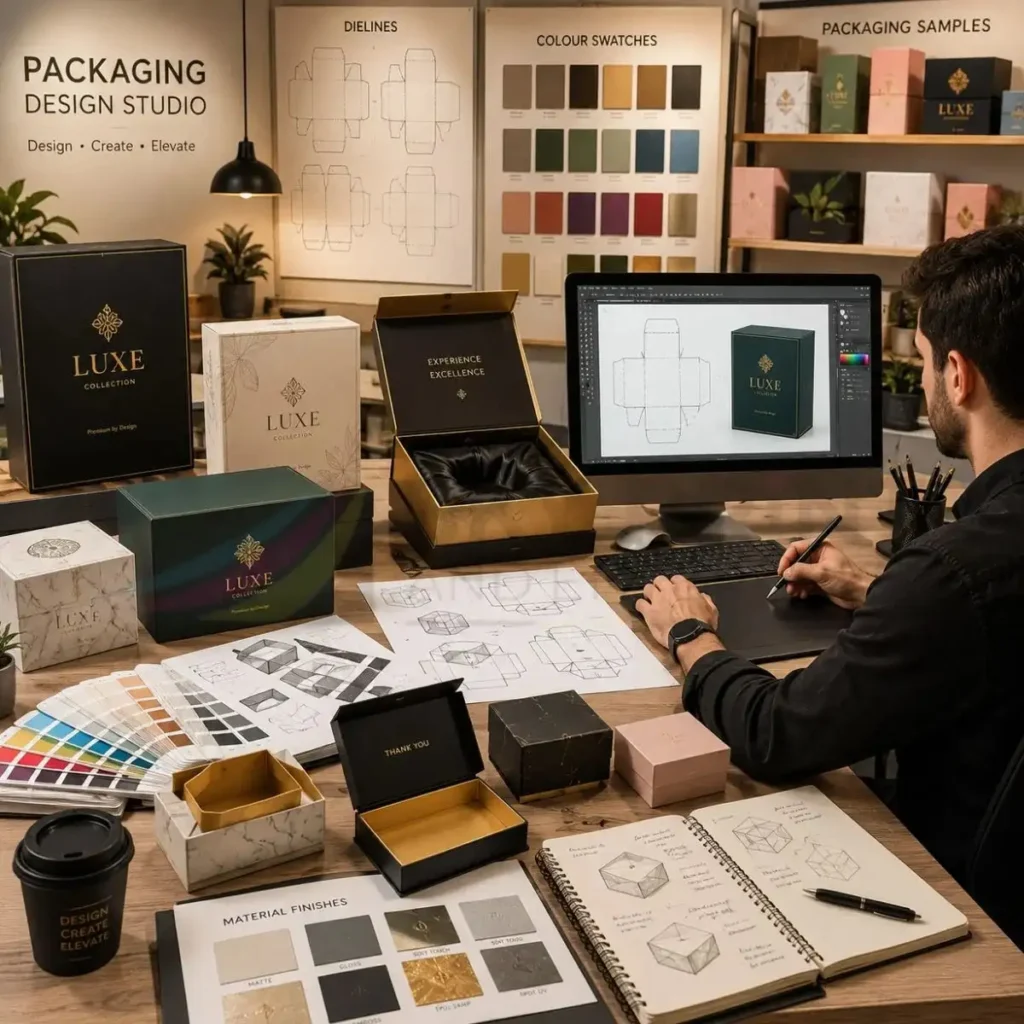
Professional packaging artwork workflow showing bleed, safe zones, colour management, proofing and production-ready file preparation.
Packaging Dieline Guide: Who Uses Packaging Dielines?
Packaging dielines are used throughout the entire packaging industry because every stage of production depends upon accurate structural drawings. Consequently, several professionals work with dielines before a package reaches the customer.
Professionals Who Rely on Packaging Dielines
- Packaging structural designers.
- Graphic designers.
- Packaging engineers.
- Prepress operators.
- Commercial printers.
- Die-making specialists.
- Packaging manufacturers.
- Quality control teams.
- Brand owners.
- Product development managers.
Because every department follows the same approved structural drawing, communication improves considerably throughout the manufacturing process. Consequently, production becomes more accurate, more efficient and far less prone to costly errors.
Start with the Right Dieline for Better Packaging
A professionally engineered packaging dieline forms the foundation of every successful packaging project. Therefore, investing time in structural planning before artwork creation saves both time and money during production. In the next chapter, we will examine every component of a professional packaging dieline, including cut lines, fold lines, bleed areas, safe zones, glue flaps and registration marks, so you can confidently prepare print-ready packaging artwork.
Packaging Dieline Guide: Understanding Every Dieline Component
A professional packaging dieline contains much more than the outline of a box. Instead, it combines multiple technical elements that guide printing, die cutting, folding and assembly. Consequently, every line, mark and measurement has a specific purpose within the manufacturing process. Understanding these components allows designers to prepare accurate artwork while helping manufacturers produce packaging with consistent quality.
Although most packaging software displays these elements using different colours, the underlying principles remain the same. Therefore, once you understand the purpose of each component, you can confidently work with almost any packaging dieline regardless of the software or printing company involved.
Packaging Dieline Guide: Cut Lines
Cut lines are one of the most important elements within a packaging dieline because they define the final outer shape of the package. During production, steel cutting rules inside the die follow these lines precisely to separate the finished packaging from the surrounding sheet.
Furthermore, cut lines determine every external edge, window opening, locking tab, handle and structural feature. Therefore, even a small error in a cut line can prevent the package from assembling correctly.
Professional dielines usually display cut lines as solid coloured strokes placed on a dedicated layer. Moreover, these lines should never be modified after structural approval because they directly control the manufacturing die.
Best Practices for Cut Lines
- Keep all cut lines on a separate technical layer.
- Never place artwork directly on cut paths.
- Do not change dimensions without structural approval.
- Ensure cut paths remain continuous.
- Verify every opening before final production.
Packaging Dieline Guide: Fold Lines and Crease Lines
Unlike cut lines, fold lines indicate where the board bends during assembly rather than where it is cut. Consequently, die-makers use scoring rules instead of cutting blades to compress the board and create clean, accurate folds.
Properly positioned crease lines improve structural strength while ensuring the package folds smoothly without cracking the printed surface. In addition, accurate fold lines help maintain consistent dimensions across large production runs—something Sky Print & Enterprise carefully considers when preparing custom packaging artwork.
Most packaging software represents fold lines using dashed or dotted strokes. However, printing companies may use different colours depending on their internal workflow. Therefore, always confirm layer specifications with Sky Print & Enterprise before exporting artwork.
Advantages of Accurate Fold Lines
- Smoother box assembly.
- Cleaner folding edges.
- Reduced cracking on printed surfaces.
- Improved dimensional accuracy.
- Greater structural strength.
Packaging Dieline Guide: Bleed Area
The bleed area extends beyond the final cut line and allows artwork to continue outside the finished package dimensions. Consequently, slight movement during printing or die cutting does not produce unwanted white edges.
Commercial printers normally recommend a bleed of approximately 3 mm for most folding cartons. Nevertheless, larger packaging formats may require wider bleed areas depending on the printing process and production tolerances.
Background colours, photographs, textures and graphic elements should always extend fully into the bleed area. Otherwise, trimming variations may become visible on the finished package.
Common Bleed Mistakes
- Stopping backgrounds at the cut line.
- Leaving white borders unintentionally.
- Using inconsistent bleed dimensions.
- Removing bleed during PDF export.
- Ignoring printer specifications.
Packaging Dieline Guide: Safe Zone
The safe zone represents the area inside the cut line where important design elements should remain. Therefore, logos, product names, barcodes and essential text should never be positioned too close to the edge of the package.
Although trimming equipment is highly accurate, small production tolerances always exist. Consequently, maintaining a suitable safe margin prevents important information from being trimmed during finishing.
Most packaging manufacturers recommend keeping critical artwork at least 3–5 mm inside the cut line. However, larger packaging may require greater safety margins.
Items That Should Stay Inside the Safe Zone
- Brand logos.
- Product names.
- Ingredients.
- Legal information.
- QR codes.
- Barcodes.
- Warning symbols.
Packaging Dieline Guide: Glue Flaps and Adhesive Areas
Glue flaps connect different structural panels together to create the finished package. Although customers rarely notice these sections, they play a critical role in packaging strength and durability.
Consequently, designers should avoid placing important graphics, text or barcodes on glue areas because adhesive may distort printed artwork during assembly.
In addition, manufacturers often leave glue flaps uncoated because certain laminations and varnishes reduce adhesive performance. Therefore, understanding glue flap requirements before designing artwork prevents costly production issues.
Good Design Practice
- Keep glue flaps free from essential artwork.
- Avoid foil on adhesive areas.
- Do not position barcodes on glue tabs.
- Allow sufficient adhesive coverage.
- Follow the manufacturer’s specifications.
Packaging Dieline Guide: Registration Marks
Registration marks help align every printing plate accurately throughout the production process. Consequently, they ensure that all colours print in the correct position without unwanted movement or colour shifting.
During commercial printing, even slight misalignment between colour plates can reduce print quality. Therefore, registration marks provide reference points that allow printers to maintain consistent accuracy across the entire production run.
Although registration marks appear outside the finished package, they remain essential during printing and are removed when the package is trimmed to its final size.
Registration Marks Help With
- Colour alignment.
- Plate positioning.
- Print consistency.
- Quality control.
- Production accuracy.
Packaging Dieline Guide: Dimension Lines and Measurement Notes
Every packaging dieline includes precise measurements because manufacturing tolerances are extremely small. Therefore, structural designers record panel widths, heights, depths and fold locations directly on engineering drawings before production begins.
Furthermore, accurate dimensions ensure that finished packaging fits the intended product correctly while maintaining consistent appearance across every manufactured unit.
Dimension notes may also specify board thickness, material type, fold direction, tolerances and assembly instructions. Consequently, production teams receive all the technical information required for successful manufacturing.

Custom cardboard comb box featuring a display window that improves product visibility and attracts attention on retail shelves.
| Dieline Component | Purpose |
|---|---|
| Cut Line | Defines final package shape |
| Fold Line | Shows where the board folds |
| Bleed | Prevents white edges after trimming |
| Safe Zone | Protects important artwork |
| Glue Flap | Joins structural panels |
| Registration Marks | Aligns print colours accurately |
Expert Insight
Every professional packaging dieline combines these technical elements into one accurate engineering document. Therefore, understanding cut lines, crease lines, bleed, safe zones, glue flaps and registration marks forms the foundation for creating print-ready packaging artwork. In the next chapter, we will explore how different box styles require unique dieline layouts and structural designs.
Packaging Dieline Guide: Dielines for Different Box Styles
Although every packaging dieline follows the same engineering principles, the structural layout changes significantly depending on the type of box being manufactured. Consequently, each box style requires its own arrangement of panels, folds, locking tabs, glue flaps and cut lines. Therefore, understanding how dielines differ between packaging styles helps designers prepare artwork correctly while allowing manufacturers to produce accurate and reliable packaging.
Furthermore, selecting the correct dieline at the beginning of a project reduces redesign work later. Instead of forcing artwork onto an unsuitable template, businesses should first choose the appropriate structural design and then develop graphics around the approved dieline. As a result, production becomes faster, more economical and considerably more accurate.
Packaging Dieline Guide: Tuck Box Dielines
Tuck boxes are among the most widely used folding cartons because they provide an economical solution for retail packaging. Consequently, their dielines are relatively straightforward while still offering excellent structural performance. Reverse Tuck End (RTE), Straight Tuck End (STE) and Tuck Top Auto Bottom (TTAB) boxes all use variations of the same basic engineering layout.
Typically, a tuck box dieline includes front and back panels, two side panels, top closure flaps, bottom flaps, dust flaps and one glue tab. Furthermore, fold lines determine where each panel bends, while cut lines define the external shape of the carton.
Artwork should always avoid fold intersections and glue areas. Likewise, important branding should remain centred within the main display panels to ensure a professional appearance after assembly.
Common Applications
- Cosmetics products.
- Healthcare products.
- Electronics.
- Food packaging.
- Pharmaceutical cartons.
- Retail consumer goods.
For businesses using tuck cartons, our Custom Tuck Boxes page demonstrates how professionally engineered dielines translate into high-quality printed packaging.
Packaging Dieline Guide: Mailer Box Dielines
Mailer boxes require considerably more structural engineering than standard folding cartons because they must protect products during shipping without requiring additional adhesive. Consequently, most mailer box dielines use interlocking tabs, reinforced side walls and self-locking mechanisms.
Unlike conventional cartons, mailer box templates often include multiple locking panels that fold together during assembly. Therefore, the position of every crease and locking tab must remain extremely accurate.
Furthermore, designers should leave sufficient clearance around fold lines because corrugated board occupies more space than standard carton board. As a result, finished boxes fold cleanly without unnecessary stress on printed surfaces.
Important Structural Features
- Front locking tab.
- Side reinforcement panels.
- Dust flaps.
- Double-wall front edge.
- Integrated locking system.
Packaging Dieline Guide: Rigid Box Dielines
Rigid boxes differ significantly from folding cartons because manufacturers construct them from multiple board components rather than a single folded sheet. Consequently, rigid box dielines consist of several separate pieces that are wrapped together during production.
Each component—including the lid, base, shoulder and wrapping paper—requires its own engineering drawing. Furthermore, accurate board thickness calculations become essential because wrapped paper must fold neatly around every edge without creating visible wrinkles.
Unlike folding cartons, rigid packaging generally includes larger wrap allowances, corner relief cuts and precise adhesive zones. Therefore, structural precision becomes even more important during both design and manufacturing.
Typical Components
- Base board.
- Lid board.
- Shoulder tray.
- Wrap paper.
- Corner relief cuts.
- Glue areas.
Luxury packaging often combines these structural layouts with foil stamping, embossing and soft-touch lamination for a premium customer experience.
Packaging Dieline Guide: Sleeve Box Dielines
Sleeve packaging uses a simple outer wrap that slides over an inner tray or existing product container. Consequently, sleeve dielines contain fewer structural elements than conventional cartons while demanding highly accurate measurements.
If the sleeve is too tight, assembly becomes difficult. Conversely, if it is too loose, the packaging appears unprofessional. Therefore, designers must calculate board thickness and product tolerances carefully.
Furthermore, because sleeve packaging usually offers uninterrupted printable surfaces, it provides excellent opportunities for premium branding and luxury finishes.
Ideal Uses
- Gift packaging.
- Luxury retail products.
- Chocolate packaging.
- Electronics.
- Promotional products.

Custom Lingerie Packaging UK
Packaging Dieline Guide: Window Box Dielines
Window boxes require additional engineering because the structural layout includes one or more display openings. Consequently, the dieline incorporates both external cut lines and internal window cut-outs.
Furthermore, if transparent PET film is used behind the opening, the dieline also specifies adhesive areas for securing the window material. Therefore, accurate positioning becomes essential to maintain a clean appearance.
Designers should also avoid placing critical graphics too close to window edges. Instead, allow sufficient spacing so that branding remains visible after assembly.
Common Window Shapes
- Rectangle.
- Circle.
- Oval.
- Heart.
- Custom die-cut shapes.
Packaging Dieline Guide: Gable and Pillow Box Dielines
Gable boxes and pillow boxes require specialised structural layouts because their shapes differ considerably from conventional rectangular cartons. Consequently, their dielines include curved cutting paths, unique locking systems and specialised fold sequences.
Gable boxes incorporate integrated carrying handles that must withstand repeated lifting. Therefore, reinforcement around the handle area becomes an important structural consideration.
Meanwhile, pillow boxes rely upon curved folding panels that naturally close without complex locking tabs. However, accurate scoring remains essential because uneven folds can distort the final package.
Design Considerations
- Curved cut lines.
- Balanced fold pressure.
- Accurate handle positioning.
- Consistent board grain direction.
- Proper locking alignment.
Packaging Dieline Guide: Custom Structural Dielines
Many premium packaging projects require completely bespoke dielines rather than standard box templates. Consequently, structural engineers develop unique layouts that accommodate unusual product shapes, protective inserts and specialised opening mechanisms.
Custom dielines frequently include multiple locking systems, removable trays, magnetic closures, internal partitions and presentation features. Furthermore, luxury packaging often combines several individual dielines into one finished product.
Because bespoke packaging involves more complex engineering, structural prototypes should always be tested before artwork approval. As a result, designers can identify any dimensional issues while changes remain inexpensive to implement.
When Custom Dielines Are Recommended
- Luxury presentation boxes.
- Subscription packaging.
- Gift sets.
- Medical devices.
- Industrial equipment.
- Promotional packaging.
- High-value electronics.
Choosing the Right Dieline Is the First Step Towards Successful Packaging
Every packaging style requires a unique structural approach. Therefore, selecting the correct dieline before beginning artwork saves valuable production time, reduces manufacturing errors and improves final product quality. Furthermore, understanding how different box structures influence folding, printing and assembly enables businesses to produce packaging that performs efficiently throughout the supply chain. In the next chapter, we will explore how graphic designers prepare professional artwork directly onto packaging dielines while meeting commercial printing requirements.
Packaging Dieline Guide: Preparing Artwork for Production
Creating an accurate dieline is only the first stage of professional packaging development. After the structural design has been approved, graphic designers must prepare artwork that fits the dieline perfectly. Consequently, every logo, image, colour, barcode and finishing effect must align precisely with the structural template before printing begins. Therefore, understanding artwork preparation is just as important as understanding the dieline itself.
Furthermore, professional artwork preparation reduces production delays, prevents costly printing errors and ensures the finished packaging reflects the intended brand image. Rather than treating artwork and structural design as separate tasks, successful packaging manufacturers develop both together from the beginning of the project.
Packaging Dieline Guide: How to Place Artwork Correctly
Every graphic element should be positioned according to the approved structural template. Consequently, designers should never move cut lines or fold lines simply to accommodate artwork. Instead, artwork must adapt to the engineering layout.
Furthermore, front-facing graphics should remain centred within the primary display panels, while secondary information should appear on side or rear panels. Likewise, important branding should never cross major fold lines unless the design intentionally requires it.
Before exporting production files, designers should review every panel individually. As a result, hidden alignment issues can be corrected before the files reach the printer.
Artwork Placement Checklist
- Align graphics to the correct panel.
- Keep artwork inside the safe zone.
- Extend backgrounds into the bleed area.
- Avoid glue flaps.
- Do not position logos across fold lines.
- Review panel orientation before export.
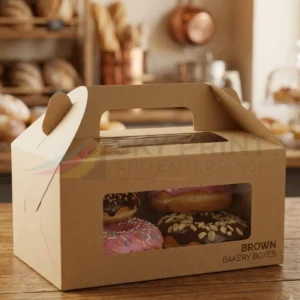
wholesale custom donut boxes
Packaging Dieline Guide: Colour Management
Professional colour management ensures that printed packaging matches brand expectations throughout the production run. Consequently, designers should prepare artwork using the colour system recommended by the printer.
CMYK remains the standard process colour model for most commercial printing. However, brands requiring highly accurate colour reproduction often specify Pantone Matching System (PMS) colours instead. Therefore, designers should confirm colour requirements before artwork production begins.
Furthermore, luxury packaging frequently combines CMYK printing with spot colours, metallic inks or white ink. As a result, artwork files must contain clearly separated colour layers for each production process.
Colour Best Practices
- Use CMYK for process printing.
- Specify Pantone colours when colour consistency is critical.
- Keep spot colours on separate layers.
- Embed colour profiles where required.
- Request printed colour proofs before production.
Packaging Dieline Guide: Images and Resolution
High-quality images play a major role in premium packaging. Nevertheless, poor-resolution graphics can significantly reduce the quality of the finished product. Therefore, commercial printers normally recommend artwork with an effective resolution of at least 300 dpi at final print size.
Furthermore, images should remain in their original size whenever possible because excessive enlargement reduces sharpness. Likewise, compressed internet graphics should never be used for commercial packaging production.
Before exporting artwork, every linked image should be checked for resolution, colour profile and placement. Consequently, designers can avoid blurry photographs and unexpected printing issues.
Recommended Image Standards
- 300 dpi minimum.
- CMYK colour mode.
- High-resolution TIFF or PSD files.
- Avoid screenshots.
- Use professionally edited photography.
Packaging Dieline Guide: Typography and Fonts
Typography influences both readability and brand perception. Consequently, packaging designers should choose fonts that remain clear after printing, folding and finishing.
Small text should maintain sufficient size for comfortable reading, particularly on pharmaceutical, cosmetic and food packaging. Furthermore, decorative fonts should be reserved for headings rather than lengthy product descriptions.
Before submitting artwork, designers should outline fonts or package them correctly. Otherwise, missing fonts may alter the appearance of the finished packaging.
Typography Recommendations
- Use readable typefaces.
- Outline fonts before export.
- Maintain adequate text size.
- Ensure strong colour contrast.
- Avoid excessive font variations.
Packaging Dieline Guide: Barcode and QR Code Placement
Barcodes and QR codes require careful positioning because they must remain fully readable after printing and assembly. Consequently, these elements should always stay inside the safe zone and away from fold lines, glue flaps and heavily textured finishes.
Furthermore, sufficient clear space should surround every barcode to ensure accurate scanning. Likewise, glossy finishes should not reduce barcode readability under retail lighting conditions.
QR codes should also be tested before production begins. As a result, customers can successfully access websites, product information or authentication services after purchasing the product.
Barcode Placement Tips
- Maintain clear margins.
- Avoid folds.
- Do not place on curved surfaces where possible.
- Print at suitable size.
- Test every barcode before production.
Packaging Dieline Guide: Foil, Spot UV, Embossing and White Ink Layers
Luxury packaging often contains multiple decorative finishes in addition to conventional printing. Consequently, each finishing process requires its own production layer within the artwork file.
Foil stamping, embossing, debossing, spot UV and white ink should never appear on the standard CMYK artwork layer. Instead, designers should prepare each effect as a separate vector layer using the printer’s specified naming convention.
Furthermore, production notes should clearly identify every finishing process to prevent confusion during prepress. Therefore, communication between designers and printers becomes significantly more efficient.
| Finishing Effect | Separate Layer Required? |
|---|---|
| Foil Stamping | Yes |
| Spot UV | Yes |
| Embossing | Yes |
| Debossing | Yes |
| White Ink | Yes |
Packaging Dieline Guide: Exporting Print-Ready Files
After the artwork has been approved, designers must export files using the printer’s preferred format. Consequently, most commercial packaging manufacturers request press-ready PDF files with embedded fonts, high-resolution images and correctly separated colour layers.
Furthermore, production files should preserve bleed, crop marks and registration marks where required. Likewise, every linked image should remain embedded or packaged correctly before submission.
Finally, designers should review the exported PDF carefully before sending it to production. As a result, unexpected errors can be identified while corrections remain simple and inexpensive.
Pre-Export Checklist
- Fonts outlined.
- Images at 300 dpi.
- Bleed included.
- Safe zones verified.
- Spot colours separated.
- Finishing layers checked.
- PDF reviewed before submission.
Professional Artwork Creates Professional Packaging
Even the most accurate packaging dieline cannot compensate for poorly prepared artwork. Therefore, businesses should combine strong structural engineering with professional graphic design to achieve exceptional printing results. Furthermore, careful preparation before production reduces costly mistakes while improving colour accuracy, finishing quality and overall customer satisfaction. In the next chapter, we will explore how packaging dielines interact with commercial printing, die cutting and large-scale manufacturing.
Packaging Dieline Guide: From Dieline to Finished Packaging
After a packaging dieline and its artwork receive final approval, the project moves into commercial production. Although many people assume printing begins immediately, several technical stages take place before the first finished package leaves the production line. Consequently, understanding these manufacturing stages helps businesses appreciate why accurate dielines are essential for efficient, high-quality packaging.
Furthermore, every production step depends upon the previous one. Therefore, an error introduced during the dieline stage can affect printing quality, die cutting accuracy, folding performance and even final product assembly. By contrast, a professionally engineered dieline supports smooth manufacturing from start to finish.
Packaging Dieline Guide: The Prepress Process
Prepress is the technical preparation stage between artwork approval and commercial printing. Consequently, production specialists inspect every file to ensure it meets the printer’s specifications before manufacturing begins.
During prepress, technicians verify colour separations, bleed, safe zones, image resolution, fonts, overprint settings, trapping and finishing layers. Furthermore, they compare the artwork against the approved packaging dieline to confirm that every design element aligns correctly with the structural layout.
If any issue is identified, corrections are made before printing plates or digital files are produced. Therefore, prepress serves as the final quality control checkpoint before significant production costs are incurred.
Typical Prepress Checks
- Panel dimensions.
- Cut line alignment.
- Bleed verification.
- Safe zone inspection.
- Image resolution.
- Font embedding.
- Colour separation.
- Print-ready PDF validation.
Packaging Dieline Guide: Printing Methods and Dielines
Although the structural dieline remains largely unchanged, artwork preparation may vary depending on the selected printing method. Consequently, designers should understand the production requirements associated with each printing technology.
Offset Printing
Offset lithographic printing delivers exceptional image quality, fine typography and excellent colour consistency. Therefore, it remains the preferred solution for medium and high-volume folding cartons, luxury packaging and premium retail products.
Because offset printing achieves tight registration tolerances, dielines must also maintain precise measurements. As a result, finished packaging folds accurately while graphics remain perfectly aligned.
Digital Printing
Digital printing supports short production runs, rapid prototyping and personalised packaging. Furthermore, businesses can print variable data without manufacturing printing plates.
Although digital printing offers excellent flexibility, accurate dielines remain equally important because structural dimensions still determine final assembly quality.
Flexographic Printing
Flexographic printing is widely used for corrugated packaging, shipping cartons and large-scale industrial packaging. Consequently, designers should prepare artwork with suitable line thicknesses and avoid extremely fine details where necessary.
If you would like to compare these production technologies in greater detail, explore our Printing Methods Guide, which explains the advantages, limitations and ideal applications for each printing process.
Packaging Dieline Guide: The Die Cutting Process
Die cutting transforms a printed sheet into its final structural shape. Consequently, this stage converts the flat artwork into a functional packaging component ready for folding and assembly.
Manufacturers create a steel-rule die that matches the approved packaging dieline exactly. The die contains sharp cutting rules, scoring rules and perforation rules arranged according to the engineering drawing. Therefore, every sheet receives identical cuts and folds throughout the production run.
After printing, large sheets pass through the die-cutting press where pressure forces the steel rules through the paperboard. As a result, the finished packaging separates cleanly from the waste material.
Stages of Die Cutting
- Printed sheets enter the die-cutting press.
- The steel-rule die cuts the external shape.
- Scoring rules create fold lines.
- Waste material is removed.
- Finished blanks move to the folding department.
Packaging Dieline Guide: Folding and Gluing
Once die cutting has been completed, packaging blanks move to folding and gluing equipment. Consequently, glue flaps receive adhesive while automated machinery folds each package into its final structural form.
Accurate glue flap dimensions are essential because insufficient adhesive reduces structural strength, whereas excessive adhesive may contaminate visible artwork. Therefore, professional dielines specify glue areas carefully before manufacturing begins.
Furthermore, folding machines rely on correctly positioned crease lines. As a result, accurate scoring allows cartons to fold quickly while maintaining consistent dimensions across thousands of finished units.
Quality Checks During Folding
- Glue coverage.
- Panel alignment.
- Locking tab performance.
- Corner squareness.
- Dimensional accuracy.
Packaging Dieline Guide: Quality Control During Production
Quality control continues throughout every manufacturing stage rather than taking place only at the end of production. Consequently, operators inspect structural accuracy, print quality and assembly performance continuously.
Furthermore, sample cartons are assembled regularly to confirm that fold lines, locking tabs and glue flaps perform correctly. Likewise, colour consistency is monitored to ensure branding remains uniform throughout the production run.
If any variation exceeds acceptable tolerances, production can be adjusted immediately. Therefore, continuous quality control helps minimise waste while maintaining consistent packaging standards.
Production Inspections Include
- Print registration.
- Cutting accuracy.
- Crease quality.
- Glue strength.
- Colour consistency.
- Finished dimensions.
- Packaging appearance.
Packaging Dieline Guide: Common Manufacturing Problems
Even experienced manufacturers occasionally encounter production challenges. However, most problems originate from incorrect artwork preparation or inaccurate structural design rather than the printing equipment itself.
Fortunately, many issues can be prevented by reviewing the packaging dieline thoroughly before production starts. Consequently, businesses save considerable time, materials and manufacturing costs.
| Problem | Likely Cause | Solution |
|---|---|---|
| White edges | Insufficient bleed | Extend artwork beyond cut line |
| Cracked folds | Poor scoring | Adjust crease profile |
| Misaligned graphics | Incorrect artwork positioning | Recheck panel alignment |
| Weak joints | Incorrect glue area | Increase adhesive coverage |
| Assembly difficulties | Incorrect dimensions | Revise structural dieline |
Packaging Dieline Guide: Prototype Testing Before Mass Production
Prototype testing is one of the most valuable stages in packaging development because it confirms that the structural design performs as expected before full-scale manufacturing begins.
During prototype evaluation, designers assemble physical samples, test product fit, inspect folding performance and verify overall appearance. Furthermore, shipping simulations may also be conducted to assess structural strength under real-world conditions.
Consequently, prototype approval significantly reduces the likelihood of expensive production errors. Therefore, professional packaging manufacturers almost always recommend producing a sample before authorising mass production.
Prototype Evaluation Checklist
- Product fit.
- Assembly speed.
- Structural strength.
- Print accuracy.
- Finishing quality.
- Shipping performance.
- Customer presentation.
Accurate Dielines Create Efficient Manufacturing
A professionally engineered packaging dieline provides the foundation for every successful production run. Therefore, investing time in structural accuracy before printing begins improves manufacturing efficiency, reduces waste and delivers consistently high-quality packaging. In the next chapter, we will explore the most common dieline mistakes, practical prepress recommendations and a comprehensive checklist for creating production-ready packaging files.
Packaging Dieline Guide: Common Mistakes and How to Avoid Them
Even experienced designers occasionally make structural mistakes when preparing packaging artwork. However, most production problems are entirely preventable when the packaging dieline is reviewed carefully before printing. Consequently, understanding the most common errors helps businesses reduce manufacturing costs, minimise material waste and deliver packaging that performs exactly as intended.
Furthermore, many packaging failures are not caused by poor printing quality. Instead, they usually originate from inaccurate measurements, incorrect artwork placement or overlooked production requirements during the design stage. Therefore, investing additional time in reviewing a packaging dieline almost always saves time and money during manufacturing.
Packaging Dieline Guide: Incorrect Dimensions
Incorrect dimensions remain one of the most common reasons for packaging failure. Consequently, a box may appear visually attractive while still being unsuitable for the product it is intended to protect.
For example, internal dimensions may be too small for the product, or excessive clearance may allow the contents to move during transportation. Therefore, structural dimensions should always be confirmed using the actual product rather than estimated measurements.
Furthermore, designers should remember that board thickness affects the finished internal dimensions. As a result, professional structural engineers calculate both external and internal measurements before approving a packaging dieline.
How to Prevent Dimension Errors
- Measure the finished product accurately.
- Allow for board thickness.
- Test prototypes before production.
- Confirm tolerances with the manufacturer.
- Review every panel measurement carefully.
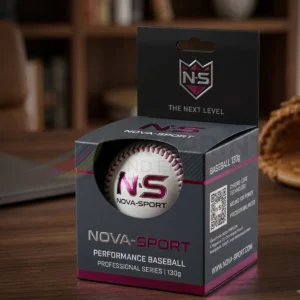
custom boxes for sports products
Packaging Dieline Guide: Poor Artwork Placement
Beautiful graphics cannot compensate for poor structural positioning. Consequently, logos, text or images that cross fold lines, glue flaps or cut edges often produce disappointing finished packaging.
Instead, important branding should remain within the safe zone and align with the main display panels. Likewise, decorative backgrounds should extend into the bleed area so that trimming variations do not leave unwanted white edges.
Furthermore, every artwork file should be assembled digitally and reviewed as a three-dimensional mock-up whenever possible. As a result, designers can identify alignment problems before commercial production begins.
Packaging Dieline Guide: Ignoring Material Thickness
Paperboard, kraft board, corrugated board and rigid board all behave differently during folding and assembly. Consequently, using the same structural dimensions for different materials often creates production problems.
For example, rigid board requires wrap allowances, while corrugated board requires additional fold compensation because of its flute structure. Therefore, the packaging dieline should always match the chosen material.
Moreover, changing the substrate after the dieline has been approved may require structural adjustments. Consequently, businesses should finalise the packaging material before approving engineering drawings.
Packaging Dieline Guide: Missing Production Information
Every production file should contain complete manufacturing instructions. However, designers sometimes submit artwork without specifying spot colours, foil areas, embossing layers or varnish locations.
Consequently, printers must request clarification, which delays production and increases project costs. Therefore, every special finishing process should appear on its own clearly labelled layer.
Production Information to Include
- Material specification.
- Board thickness.
- CMYK and Pantone colours.
- Foil layers.
- Spot UV layers.
- Embossing files.
- White ink layers.
- Special finishing notes.
Packaging Dieline Guide: Professional Pre-Production Checklist
Before sending artwork to your packaging manufacturer, complete every item in the following checklist. Consequently, you will significantly reduce the risk of production delays and expensive corrections.
| Checkpoint | Completed |
|---|---|
| Product dimensions confirmed | ☐ |
| Packaging material approved | ☐ |
| Structural dieline approved | ☐ |
| Artwork positioned correctly | ☐ |
| Bleed added | ☐ |
| Safe zones checked | ☐ |
| Fonts outlined | ☐ |
| Images 300 dpi | ☐ |
| Barcodes tested | ☐ |
| Prototype approved | ☐ |
Packaging Dieline Guide: Expert Recommendations
Professional packaging projects rarely succeed through attractive artwork alone. Instead, successful packaging combines structural engineering, suitable materials, accurate printing and careful manufacturing planning.
Furthermore, involving the packaging manufacturer during the design stage often prevents structural problems before they become expensive production issues. Likewise, requesting engineering advice before finalising the packaging concept frequently improves both production efficiency and long-term durability.
If your packaging includes premium finishes, complex inserts or bespoke structures, prototype testing becomes even more valuable. Consequently, businesses can evaluate both appearance and functionality before investing in mass production.
Expert Advice
- Approve the structure before creating artwork.
- Choose packaging materials early.
- Build artwork using the approved dieline only.
- Test physical samples.
- Review every production PDF carefully.
- Work closely with your packaging manufacturer.
- Never skip prototype approval.
Need Professional Packaging Dielines?
At Sky Print and Enterprise, we develop custom packaging dielines for folding cartons, luxury rigid boxes, corrugated packaging, retail boxes and bespoke presentation packaging. Furthermore, our structural design team works alongside artwork specialists to ensure every packaging project is production-ready before printing begins. Consequently, businesses receive packaging that performs efficiently while maintaining exceptional print quality and brand consistency.
Whether you require a standard box template or a completely bespoke packaging structure, our team can help transform your concept into a fully engineered, print-ready solution.
Coming Next
The final chapter includes more than 20 frequently asked questions about packaging dielines, expert answers covering commercial printing and manufacturing, authoritative external resources, SEO metadata, and a streamlined table of contents for easy navigation. This concluding section also summarises the complete Packaging Dieline Guide and provides practical advice for choosing the right structural packaging solution for your next project.
Packaging Dieline Guide: Software Used to Create Professional Packaging Dielines
Modern packaging development depends on specialist software that combines structural engineering with commercial printing requirements. Although simple cartons can be drafted manually, professional packaging manufacturers rely on dedicated CAD software to produce accurate, production-ready dielines. Consequently, these applications calculate dimensions, fold allowances, board thickness and assembly tolerances with exceptional precision. Furthermore, they allow designers to generate three-dimensional prototypes before manufacturing begins. Therefore, businesses can review packaging performance, identify structural improvements and reduce costly revisions before production.
Moreover, packaging software integrates seamlessly with graphic design applications, enabling structural engineers and artwork designers to collaborate efficiently. As a result, packaging projects move smoothly from concept to production while maintaining consistent quality throughout every stage.
Packaging Dieline Guide: Adobe Illustrator
Adobe Illustrator remains one of the most widely used applications for preparing packaging artwork on approved dielines. Although Illustrator is not dedicated structural engineering software, it provides powerful vector drawing tools that allow designers to position graphics accurately on production templates.
Furthermore, Illustrator supports separate production layers for cut lines, crease lines, bleed, spot colours, foil stamping, embossing and varnish. Consequently, printers receive organised production files that integrate easily into prepress workflows.
However, structural modifications should normally be completed by packaging engineers before artwork is added. Therefore, designers should avoid changing panel dimensions directly within Illustrator unless the structural team approves those revisions.
Illustrator Is Ideal For
- Packaging artwork.
- Vector graphics.
- Branding layouts.
- Print-ready PDFs.
- Spot colour preparation.
Packaging Dieline Guide: ArtiosCAD
ArtiosCAD is one of the world’s leading structural packaging design applications. Consequently, many packaging manufacturers use it to develop folding cartons, corrugated packaging, retail displays and luxury packaging.
Unlike general graphic design software, ArtiosCAD calculates structural dimensions, fold allowances and material thickness automatically. Furthermore, designers can generate realistic three-dimensional models before manufacturing prototypes.
As a result, businesses reduce development time while improving packaging performance throughout production.
Key Advantages
- Structural engineering.
- 3D visualisation.
- Virtual assembly.
- Prototype generation.
- Manufacturing accuracy.
Packaging Dieline Guide: Other CAD Software
Although Illustrator and ArtiosCAD dominate many workflows, several other professional applications are widely used across the packaging industry. Consequently, software selection usually depends on production volume, packaging complexity and manufacturing requirements.
| Software | Primary Use |
|---|---|
| ArtiosCAD | Structural packaging design |
| Adobe Illustrator | Packaging artwork |
| Impact CAD | Structural engineering |
| AutoCAD | Technical drafting |
| Esko Suite | Packaging workflow |
Ultimately, the best software depends upon the complexity of the packaging project. Nevertheless, every application produces the same objective: an accurate packaging dieline ready for commercial manufacturing.
Packaging Dieline Guide: Packaging Dielines for Different Industries
Every industry has unique packaging requirements. Consequently, structural engineers adapt packaging dielines to suit different products, manufacturing environments and regulatory requirements. Although the basic engineering principles remain consistent, panel dimensions, locking systems, inserts and material selection vary considerably between industries.
Packaging Dieline Guide: Food Packaging
Food packaging requires structural designs that protect products, preserve freshness and support efficient transportation. Therefore, dielines frequently incorporate locking tabs, ventilation openings, grease-resistant barriers and tamper-evident features.
Furthermore, designers should ensure sufficient space for ingredients, nutritional information, allergen declarations, recycling symbols and barcode placement. Consequently, food packaging combines technical compliance with attractive retail presentation.
Packaging Dieline Guide: Cosmetic Packaging
Cosmetic packaging places strong emphasis on presentation because packaging often influences purchasing decisions. Consequently, structural layouts should provide generous printable surfaces while supporting premium finishes such as foil stamping, embossing, soft-touch lamination and spot UV.
Moreover, inserts are frequently incorporated to hold glass bottles, jars or skincare products securely. Therefore, cosmetic dielines often combine several structural components into one luxury presentation package.
Packaging Dieline Guide: Pharmaceutical Packaging
Pharmaceutical packaging prioritises patient safety, regulatory compliance and product traceability. Consequently, dielines include clearly defined panels for dosage instructions, legal information, batch numbers and expiry dates.
Furthermore, many pharmaceutical cartons require tamper-evident seals and leaflet inserts. Therefore, structural accuracy becomes particularly important throughout the manufacturing process.
Packaging Dieline Guide: E-commerce Packaging
E-commerce packaging must withstand handling throughout the distribution network. Consequently, structural engineers design mailer boxes, corrugated cartons and protective inserts that minimise product movement during transportation.
Furthermore, self-locking structures reduce packing time while eliminating unnecessary adhesive. As a result, businesses improve operational efficiency and reduce packaging costs.
Packaging Dieline Guide: Luxury Retail Packaging
Luxury retail packaging combines structural engineering with exceptional visual presentation. Consequently, packaging dielines frequently incorporate magnetic closures, ribbon pulls, shoulder boxes, drawer-style constructions and rigid board components.
Furthermore, structural layouts must accommodate decorative finishes without compromising functionality. Therefore, packaging engineers collaborate closely with designers throughout the development process. Ultimately, the finished packaging delivers a memorable unboxing experience while protecting high-value products during storage and transportation.
Whether you manufacture cosmetic boxes, premium gift packaging, jewellery boxes or high-end retail packaging, selecting the correct packaging dieline remains the foundation of successful production.
Packaging Dieline Guide: Sustainable Dieline Design for Modern Packaging
Sustainability has become one of the most important considerations in modern packaging development. Consequently, packaging engineers now design dielines that minimise material consumption, reduce manufacturing waste and improve recyclability without compromising product protection. Furthermore, consumers increasingly prefer environmentally responsible packaging, while businesses seek practical ways to reduce costs and lower their environmental impact. Therefore, an intelligently designed packaging dieline contributes to both sustainability goals and commercial success.
Although many people associate sustainable packaging with recycled materials alone, the structural design itself also plays a significant role. By optimising panel layouts, reducing unnecessary board usage and simplifying assembly, manufacturers can produce packaging that is stronger, lighter and more environmentally responsible.
Packaging Dieline Guide: Reducing Material Waste
One of the primary objectives of structural packaging design is to maximise the number of cartons produced from each printed sheet. Consequently, experienced packaging engineers arrange dielines efficiently to reduce offcuts and minimise waste.
Furthermore, small structural improvements often produce significant savings over large production runs. For example, reducing a panel by only a few millimetres may allow additional cartons to fit on every printing sheet. As a result, businesses consume less material while lowering manufacturing costs.
In addition, reducing waste benefits the environment because fewer raw materials are required throughout production. Therefore, efficient dieline planning supports both sustainability and profitability.
Ways to Improve Material Efficiency
- Optimise sheet layouts.
- Reduce unnecessary flaps.
- Simplify structural designs.
- Use correctly sized packaging.
- Minimise production waste.
Packaging Dieline Guide: Designing for Recycling
Recyclable packaging begins with intelligent structural planning. Consequently, packaging engineers should avoid unnecessary mixed materials wherever possible. Instead, designing cartons from a single recyclable substrate often improves recycling efficiency.
Furthermore, reducing excessive plastic windows, unnecessary laminations and difficult-to-separate components makes recycling considerably easier. Likewise, using water-based coatings instead of plastic films may improve environmental performance for many packaging applications.
When luxury finishes are required, designers should consult the packaging manufacturer to identify decorative processes that maintain recyclability while achieving the desired appearance.
Packaging Dieline Guide: Structural Testing Before Production
Even the most attractive packaging should undergo structural testing before mass production begins. Consequently, prototype evaluation helps identify weaknesses while modifications remain inexpensive.
Testing normally assesses compression strength, stacking performance, folding accuracy, drop resistance and transportation durability. Furthermore, businesses can evaluate the complete customer experience by reviewing how the package opens, closes and presents the product.
If structural problems are discovered, engineers can revise the packaging dieline before manufacturing thousands of units. Therefore, prototype testing significantly reduces commercial risk.
Common Packaging Tests
- Compression testing.
- Drop testing.
- Stacking evaluation.
- Assembly testing.
- Transit simulation.
- Product fit verification.
- Customer usability assessment.
Packaging Dieline Guide: Future Trends in Structural Packaging Design
Packaging technology continues to evolve rapidly. Consequently, structural design software now incorporates automation, artificial intelligence and advanced three-dimensional modelling to improve engineering accuracy.
Furthermore, digital prototyping enables manufacturers to evaluate packaging performance before producing physical samples. As a result, businesses reduce development costs while accelerating product launches.
Looking ahead, smart packaging will increasingly influence dieline development. For example, packaging may incorporate NFC chips, printed electronics, authentication labels and interactive QR codes without affecting structural integrity.
In addition, sustainability will remain a major design priority. Therefore, future packaging dielines will continue to reduce material consumption while improving recyclability and transportation efficiency.
Packaging Dieline Guide: Key Takeaways
A professionally engineered packaging dieline is far more than a technical drawing. Instead, it forms the structural foundation of every successful packaging project. Consequently, accurate dielines improve manufacturing efficiency, reduce production errors and support outstanding print quality.
Throughout this guide, we have explored structural components, artwork preparation, printing methods, manufacturing processes, sustainability and industry-specific applications. Furthermore, we have demonstrated how careful planning before production leads to stronger packaging, lower costs and improved customer satisfaction.
Whether you require folding cartons, luxury rigid boxes, corrugated packaging, mailer boxes or completely bespoke structural packaging, investing in a professionally developed packaging dieline remains one of the most valuable decisions you can make before printing begins.
Prepare Your Packaging for Successful Production
Every successful package begins with a well-designed packaging dieline. Therefore, taking the time to create an accurate structural layout helps protect your product, strengthen your brand and improve manufacturing efficiency. Furthermore, when structural engineering, professional artwork and commercial printing work together, businesses achieve packaging that performs exceptionally throughout production, transportation and retail display.
If you need expert advice, custom structural design or fully print-ready packaging, our team at Sky Print and Enterprise can develop bespoke packaging dielines tailored to your product, material and manufacturing requirements.
Packaging Dieline Guide: Frequently Asked Questions
Choosing the correct packaging dieline often raises technical questions, especially for businesses ordering custom packaging for the first time. Therefore, the following answers explain the most common topics discussed between designers, manufacturers and brand owners before production begins.
1. What is a packaging dieline?
A packaging dieline is a flat engineering drawing that shows every cut line, fold line, glue flap, bleed area and structural panel required to manufacture a box.
2. Why is a packaging dieline important?
It ensures accurate printing, clean folding, efficient assembly and consistent manufacturing quality while reducing production errors.
3. Who creates packaging dielines?
Packaging structural designers and packaging engineers usually create dielines before graphic designers add artwork.
4. Can I design artwork without a dieline?
No. Artwork should always be prepared using an approved dieline so graphics align correctly after printing and folding.
5. What software is used for packaging dielines?
Common applications include ArtiosCAD, Adobe Illustrator, Esko software, Impact CAD and AutoCAD.
6. What is the difference between artwork and a dieline?
The dieline defines the structure, whereas the artwork provides the printed graphics that appear on the finished package.
7. What is a bleed area?
The bleed extends artwork beyond the cut line to prevent unwanted white edges after trimming.
8. What is a safe zone?
The safe zone keeps important text, logos and barcodes away from trimming and folding areas.
9. Why are fold lines important?
Fold lines ensure cartons assemble correctly while reducing cracking and maintaining structural accuracy.
10. What is a glue flap?
A glue flap joins packaging panels together during assembly and should remain free from important artwork.
11. What file format should I supply?
Most manufacturers prefer press-ready PDF files with embedded images, outlined fonts and the correct bleed.
12. Should I approve a prototype?
Yes. A physical sample confirms fit, strength and appearance before mass production begins.
13. Can one dieline be used for different materials?
Not always. Different boards have different thicknesses and folding characteristics, so structural adjustments may be necessary.
14. What happens if the dimensions are incorrect?
The finished packaging may not fit the product properly, leading to assembly problems, damaged goods and increased manufacturing costs.
15. Why should artwork avoid fold lines?
Large graphics or small text crossing folds may become distorted after assembly, reducing the overall appearance of the packaging.
16. Can luxury finishes affect the dieline?
Yes. Foil stamping, embossing, Spot UV and soft-touch lamination should all be planned during the structural design stage.
17. Are packaging dielines different for corrugated boxes?
Yes. Corrugated packaging requires allowances for flute thickness, compression strength and heavier board construction.
18. How long does a custom dieline take to develop?
Simple structures may be completed within a day, while complex luxury packaging projects can require several rounds of engineering and prototype testing.
19. Can packaging dielines reduce production costs?
Absolutely. Efficient structural layouts reduce material waste, improve sheet utilisation and minimise production errors.
20. When should I involve my packaging manufacturer?
Ideally, involve your manufacturer before finalising artwork. Early collaboration often produces better structural solutions and smoother production.
Packaging Dieline Guide: Final Summary
Every successful packaging project starts with a professionally engineered packaging dieline. Throughout this guide, we have explored how structural design influences printing quality, manufacturing efficiency, product protection and customer experience. Consequently, businesses that invest in accurate dielines experience fewer production problems, lower material waste and better overall packaging performance.
Furthermore, a packaging dieline provides the foundation for every stage of production, including artwork preparation, commercial printing, die cutting, folding, gluing, quality control and final assembly. Therefore, structural planning should always be completed before graphic design begins.
Whether you require folding cartons, mailer boxes, rigid boxes, presentation packaging or bespoke retail packaging, choosing the correct structural layout remains one of the most important decisions in the entire packaging development process.
Need a Custom Packaging Dieline?
At Sky Print and Enterprise, we design and manufacture custom packaging for businesses throughout the UK. Our experienced team develops production-ready dielines for folding cartons, rigid boxes, corrugated packaging, luxury gift boxes and retail packaging. Furthermore, we provide structural design support, artwork guidance, prototyping and commercial printing, ensuring every project progresses efficiently from concept to finished packaging.
If you are developing a new product or redesigning existing packaging, our specialists can recommend the most suitable box style, material and structural layout for your application.
Contact us today to discuss your packaging project and request a bespoke packaging dieline tailored to your product.
Helpful Industry Resources
For additional guidance on packaging standards, recycling, environmental best practice and industry information, you may find the following organisations helpful:
- WRAP UK – Sustainable Packaging Guidance
- GOV.UK – Packaging Regulations
- FEFCO – European Federation of Corrugated Board Manufacturers
- ISO – International Standards
These organisations provide valuable technical information that complements the principles explained throughout this Packaging Dieline Guide.