
Choosing the right packaging materials UK businesses can rely on is one of the most important decisions when developing product packaging. The material you select influences far more than appearance. It determines how well your products are protected during storage and transportation, how customers perceive your brand, how efficiently your packaging performs throughout the supply chain, and even how easily it can be recycled after use.
Whether you manufacture cosmetics, food, electronics, clothing, gifts, jewellery or industrial products, selecting the most suitable packaging material helps reduce damage, improve customer satisfaction and create a memorable unboxing experience. Furthermore, modern consumers increasingly expect businesses to use sustainable and responsibly sourced materials without compromising on quality or presentation.
At Sky Print and Enterprise, we manufacture custom packaging using premium packaging materials designed for businesses across the UK. From economical cardboard cartons to luxury rigid boxes, eco-friendly kraft packaging and heavy-duty corrugated solutions, our materials are carefully selected to provide the ideal balance of durability, print quality, sustainability and cost-effectiveness. Every packaging solution is manufactured to suit your product, branding requirements and industry standards.
Unlike many basic guides that simply list different materials, this comprehensive resource explains how packaging materials work, why different industries use specific materials, how to compare them, and how to choose the right solution for your products. Whether you need retail packaging, luxury presentation boxes, shipping cartons or sustainable paper packaging, this guide will help you make an informed decision.
If you are looking for complete branded packaging, explore our custom packaging solutions for UK businesses or discover our professional custom printing services to create packaging that protects your products while strengthening your brand identity.
Contents
- 📦 What Are Packaging Materials UK?
- 🎯 Why Choosing the Right Packaging Material Matters
- 📋 Types of Packaging Materials UK
- 📄 Cardboard Packaging Material
- 🌿 Kraft Packaging Material
- 📦 Corrugated Cardboard Material
- ⭐ Rigid Box Packaging Material
- 📚 Paper Packaging Materials & Board Grades
- ✔️ How to Choose the Right Packaging Material
- 🏭 Best Packaging Materials by Industry
- 🎨 Printed Packaging Materials & Premium Finishes
- ♻️ Sustainable Packaging Materials
- 📜 UK Packaging Standards & Regulations
- ❓ Frequently Asked Questions
What Are Packaging Materials UK?
Packaging materials are the raw materials used to manufacture boxes, cartons, sleeves, inserts, bags and protective packaging that keep products safe throughout storage, transportation, retail display and delivery. They form the structural foundation of every packaging solution and directly influence its strength, appearance, environmental impact and printing performance.
Definition of Packaging Materials UK
Although many people use the term packaging material to describe any type of box, there are significant differences between each material. Cardboard provides excellent print quality and versatility for retail packaging, kraft paper is valued for its natural appearance and recyclability, corrugated board delivers exceptional strength for shipping applications, while rigid board creates premium luxury packaging that enhances the perceived value of high-end products.
Consequently, choosing the correct material is not simply about selecting the strongest option. Instead, businesses should evaluate how the packaging will be used, where it will travel, the weight of the product, branding objectives, sustainability goals, storage conditions and production budget before deciding which material offers the best overall performance.
Modern packaging materials UK manufacturers also focus on balancing protection with sustainability. Advances in paperboard manufacturing, recycled fibres, water-based inks and environmentally responsible production methods now allow businesses to reduce their environmental footprint while maintaining outstanding packaging quality.
For example, a luxury cosmetics brand may choose rigid packaging with premium finishes to create an elegant unboxing experience. By comparison, an online retailer shipping thousands of parcels every week will often prioritise corrugated mailer boxes that provide maximum protection while remaining lightweight and economical to transport. Likewise, food manufacturers frequently select food-safe kraft or paperboard materials that combine hygiene, durability and recyclability.
Therefore, understanding the characteristics of each packaging material helps businesses avoid unnecessary costs, minimise product damage and invest in packaging that supports both operational efficiency and long-term brand growth.
Why Packaging Materials UK Matter
As the packaging industry continues to evolve, businesses are no longer selecting materials based solely on cost. Today’s purchasing decisions are influenced by product protection, sustainability targets, print quality, customer expectations, transportation efficiency and compliance with industry standards. Consequently, understanding the advantages and limitations of different packaging materials enables businesses to make informed decisions that support both operational performance and long-term brand growth.
It is also important to recognise that no single packaging material is suitable for every application. A lightweight skincare product, for instance, has completely different packaging requirements from industrial machinery parts or fragile glass bottles. Similarly, a luxury gift box designed for retail display serves a different purpose from a corrugated shipping carton intended to withstand multiple stages of distribution. For this reason, professional packaging manufacturers evaluate several factors before recommending the most appropriate material for each project.
At Sky Print and Enterprise, we work with businesses across numerous industries to manufacture bespoke packaging solutions using carefully selected materials that balance strength, presentation, sustainability and commercial value. Whether you require custom printed cardboard boxes for retail products, durable custom mailer boxes for e-commerce deliveries or premium luxury rigid boxes for high-end brands, choosing the correct material is the first step towards creating packaging that performs exceptionally well.
Why Choosing the Right Packaging Material UK Matters
The packaging material you choose has a direct impact on your product throughout its entire journey—from manufacturing and storage to transportation, retail display and the customer’s unboxing experience. While attractive graphics and premium finishes certainly influence purchasing decisions, even the best packaging design cannot compensate for an unsuitable material. Therefore, selecting the right packaging material should always be considered a strategic business decision rather than simply a production choice.
Protecting Products Throughout the Supply Chain
One of the primary functions of packaging is to protect products from damage. During transportation, products may experience vibration, compression, moisture, temperature changes and repeated handling. If the packaging material lacks sufficient strength, products are more likely to arrive damaged, resulting in increased replacement costs, customer complaints and harm to your brand reputation.
For example, corrugated cardboard is widely used for shipping because its fluted structure absorbs impact and provides excellent stacking strength. In contrast, rigid board offers exceptional structural integrity for premium products that require both protection and an elegant presentation. Understanding these differences allows businesses to select materials that are appropriate for their distribution methods rather than relying on a one-size-fits-all approach.
Supporting Brand Identity and Customer Experience
Packaging is often the first physical interaction customers have with your brand. Consequently, the material itself communicates quality before the product is even opened. Smooth premium paperboards, textured finishes and rigid construction create an impression of luxury, while natural kraft materials reinforce environmentally conscious branding. Even simple cardboard cartons can deliver a premium appearance when combined with professional printing and finishing techniques.
If your objective is to strengthen brand recognition, investing in high-quality materials alongside professional custom printing services helps create packaging that reflects your company’s values while delivering a memorable customer experience.
Improving Print Quality and Design Flexibility
Different packaging materials respond differently to printing processes. Some boards provide exceptionally smooth surfaces that reproduce vibrant colours and intricate artwork with remarkable clarity. Others are intentionally left with a natural texture to achieve a rustic or environmentally friendly appearance.
For instance, cardboard and premium paperboard grades are excellent choices for detailed branding, foil stamping and embossing, whereas kraft packaging often embraces a more organic aesthetic. Rigid boxes provide outstanding opportunities for luxury finishes because decorative papers, specialty laminates and premium textures can be applied without compromising structural strength.
Selecting a material that complements your branding objectives ensures your packaging not only protects products but also enhances shelf appeal and reinforces customer confidence.
Reducing Long-Term Packaging Costs
Many businesses focus exclusively on the initial manufacturing price when comparing packaging materials. However, the lowest-cost option is not always the most economical over time. Inferior materials may lead to higher product damage rates, increased returns, additional replacement shipments and unnecessary waste.
Conversely, choosing a material specifically suited to your product often reduces overall operating costs by improving transportation efficiency, minimising damage and optimising packaging performance. The goal is not simply to purchase cheaper packaging but to achieve the greatest overall value throughout the product’s lifecycle.
Meeting Sustainability Expectations
Environmental responsibility has become an important consideration for both consumers and businesses. Many organisations now actively seek recyclable, responsibly sourced and paper-based packaging materials that support their sustainability objectives without sacrificing performance.
Materials such as kraft paper, cardboard and many paperboard grades provide excellent opportunities to reduce plastic usage while maintaining attractive product presentation. Furthermore, selecting sustainable packaging demonstrates environmental responsibility, strengthens corporate reputation and helps businesses respond to increasing customer expectations for eco-friendly packaging solutions.
Need Expert Advice on Choosing the Right Packaging Material UK?
Every product has unique packaging requirements. Our specialists can recommend the most suitable material based on your product weight, branding goals, printing requirements, sustainability objectives and budget. From retail cartons to luxury rigid boxes and heavy-duty shipping packaging, we’ll help you select a solution that protects your products while enhancing your brand.
Types of Packaging Materials UK
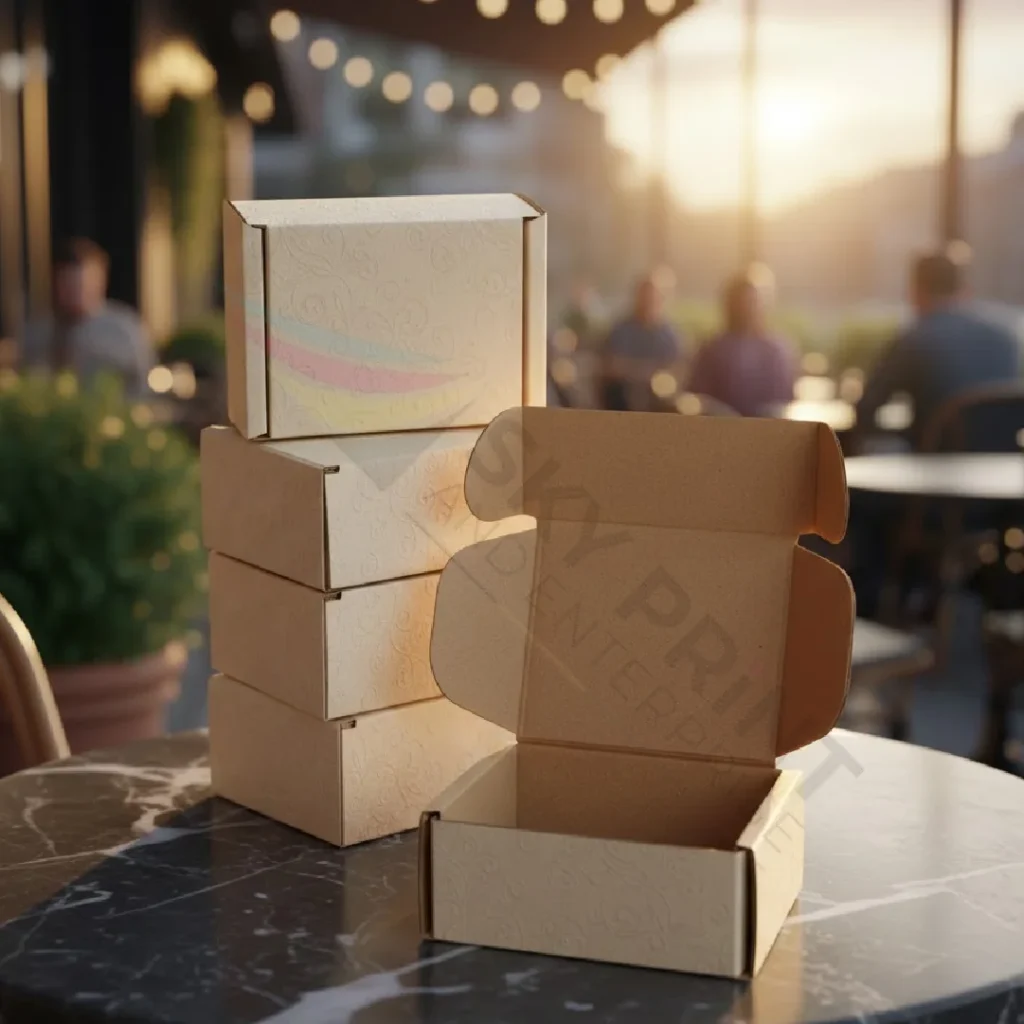
The UK packaging industry uses a wide variety of packaging materials to meet the different requirements of retailers, manufacturers, wholesalers and e-commerce businesses. While every material serves the same basic purpose of protecting products, each one offers distinct advantages in terms of strength, appearance, sustainability, print quality and cost. Consequently, understanding the characteristics of each material helps businesses invest in packaging that delivers the best performance throughout the product lifecycle.
Today, businesses rarely select packaging materials based on price alone. Instead, they evaluate how the packaging will perform during transportation, how well it supports their branding, whether it aligns with sustainability objectives and how effectively it protects products from damage. For this reason, packaging specialists often recommend different materials depending on the product category, distribution method and customer expectations.
Overview of Packaging Material Categories
At Sky Print and Enterprise, we manufacture bespoke packaging using carefully selected materials to suit a wide range of industries. Whether you require premium retail cartons, eco-friendly food packaging, heavy-duty shipping boxes or luxury presentation boxes, selecting the correct packaging material is the foundation of a successful packaging solution.
The four primary packaging materials used for custom boxes in the UK are cardboard, kraft paper, corrugated board and rigid board. Each material offers unique benefits, making it suitable for specific products and applications. The table below provides a quick comparison before we explore each material in greater detail.
| Packaging Material | Strength | Print Quality | Sustainability | Cost | Best Applications |
|---|---|---|---|---|---|
| Cardboard | High | Excellent | Excellent | Economical | Retail, cosmetics, food, pharmaceuticals |
| Kraft Paper | Good | Good | Excellent | Low | Eco-friendly packaging, food, paper bags |
| Corrugated Board | Very High | Good | Excellent | Moderate | Shipping, logistics, subscription boxes |
| Rigid Board | Excellent | Premium | Good | Premium | Luxury packaging, gift boxes, jewellery |
Although these materials differ significantly, they are often combined with specialist coatings, laminations, inserts and decorative finishes to produce packaging tailored to individual products. Therefore, selecting the right material should always involve balancing functionality, branding, environmental responsibility and overall cost rather than focusing on one factor alone.
Cardboard Packaging Material UK
Cardboard remains one of the most widely used packaging materials UK manufacturers rely on because it offers an outstanding combination of versatility, durability, print quality and affordability. It is suitable for thousands of packaging applications ranging from everyday retail cartons to premium branded presentation boxes. Consequently, cardboard continues to be the preferred choice for businesses looking to achieve professional packaging without excessive production costs.
Modern cardboard packaging is manufactured in a variety of paperboard grades and thicknesses, allowing it to accommodate products of different weights and dimensions. Depending on the application, it can also be finished with gloss or matt lamination, soft-touch coatings, spot UV varnish, embossing, debossing or metallic foil stamping to create packaging that enhances both product protection and visual appeal.
Businesses across the UK frequently choose cardboard because it performs exceptionally well during the printing process. Its smooth surface produces sharp text, vibrant colours and highly detailed graphics, making it ideal for companies that want their packaging to reinforce brand recognition while providing important product information.
For organisations looking to develop branded retail packaging, our complete guide to cardboard packaging materials explains the different board options in greater detail. You can also explore our range of custom printed cardboard boxes for businesses to see how this versatile material can be transformed into premium branded packaging.
Advantages of Cardboard Packaging
One of cardboard’s greatest strengths is its adaptability. It can be manufactured into tuck-end boxes, sleeve boxes, display packaging, window cartons, folding cartons and many other box styles without compromising print quality. Furthermore, because it is relatively lightweight, cardboard helps minimise shipping costs while maintaining excellent structural performance.
Another major advantage is sustainability. Most cardboard packaging is recyclable, and many grades incorporate recycled fibres without reducing their suitability for high-quality printing. As businesses continue to reduce their environmental impact, cardboard remains one of the most practical packaging materials available for balancing commercial performance with responsible manufacturing.
Common Applications of Cardboard Packaging
Because of its versatility, cardboard is used across almost every commercial sector. It is particularly popular for consumer products where presentation is as important as protection. Typical applications include:
- Custom cosmetic packaging boxes for skincare, makeup and beauty products.
- Food packaging boxes for bakeries, confectionery and takeaway products.
- Retail packaging boxes for consumer goods displayed in shops and supermarkets.
- Electronic packaging boxes that require attractive branding alongside dependable product protection.
- Baby product packaging where safety, attractive graphics and durability are equally important.
In addition, cardboard is widely used for promotional packaging, seasonal gift packaging and product launches because it supports virtually every commercial printing and finishing technique available. Businesses seeking distinctive packaging often combine cardboard with textured papers, inserts or premium coatings to create packaging that reflects the quality of the product inside.
Cardboard also works exceptionally well alongside creative structural designs. Whether you require minimalist retail cartons or innovative presentation packaging, it provides designers with the flexibility to produce eye-catching solutions that remain practical for manufacturing, storage and transportation.
Kraft Packaging Material UK
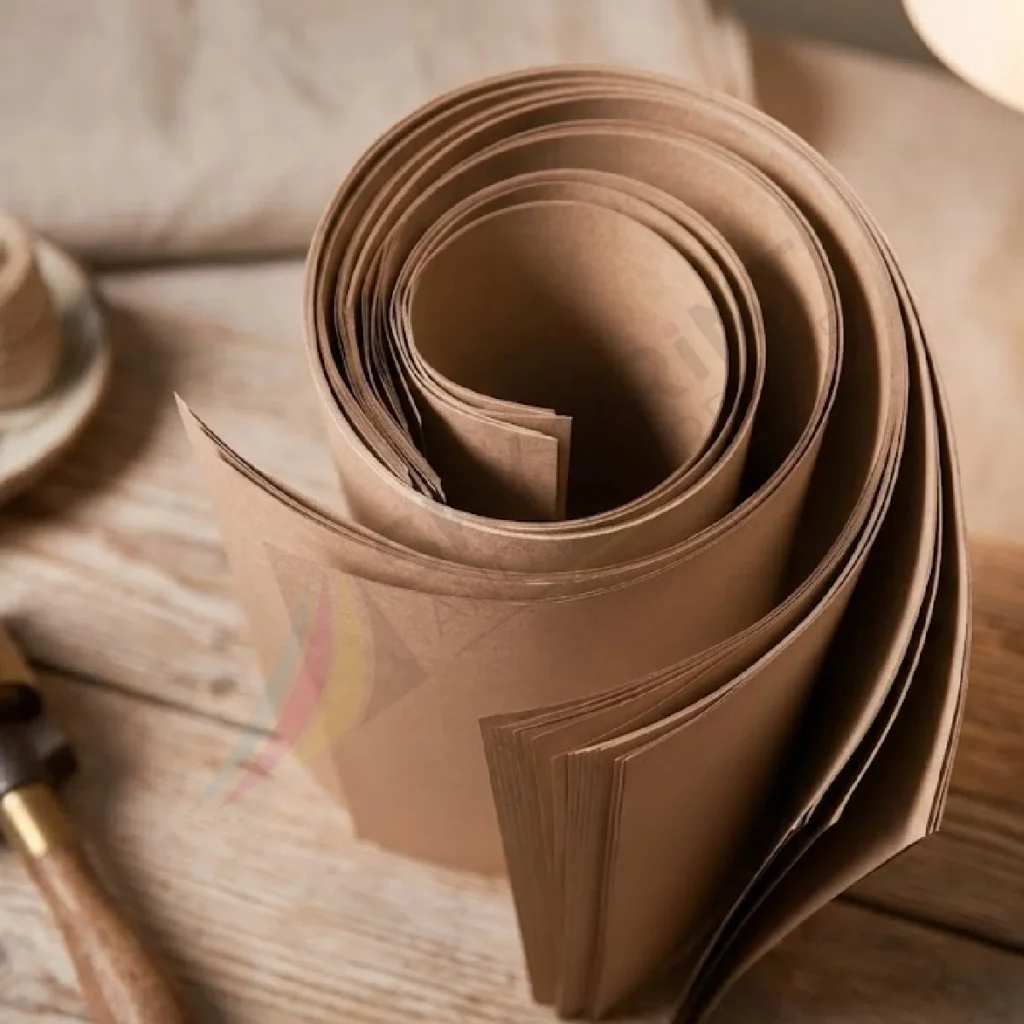
Kraft paper has become one of the fastest-growing packaging materials UK businesses choose because it combines strength, sustainability and natural visual appeal. Manufactured using the kraft pulping process, this material retains longer wood fibres than many conventional paper products. As a result, it offers excellent tear resistance and durability while maintaining a distinctive natural brown appearance that has become synonymous with environmentally responsible packaging.
Although kraft packaging is often associated with simple brown boxes, modern manufacturing techniques allow it to be transformed into sophisticated branded packaging with high-quality printing, custom inserts and premium finishing options. Consequently, businesses can enjoy the environmental benefits of kraft without sacrificing professional presentation or brand consistency.
Many companies now prefer kraft packaging because today’s consumers actively seek brands that demonstrate environmental responsibility. Therefore, using recyclable paper-based packaging can reinforce a company’s sustainability message while reducing its dependence on plastic packaging.
If you would like to explore different kraft paper grades and applications in more detail, visit our comprehensive guide to kraft packaging material UK. You can also discover our range of eco-friendly custom kraft mailer boxes and branded shipping packaging designed for growing businesses.
Sustainable kraft packaging solutions
Why Businesses Choose Kraft Packaging
Kraft packaging offers considerably more than environmental benefits. Its combination of strength, lightweight construction and attractive appearance makes it suitable for numerous commercial applications. Furthermore, its natural texture communicates authenticity, craftsmanship and sustainability, making it particularly popular among premium artisan brands and environmentally conscious businesses.
Unlike some packaging materials that rely heavily on coatings or laminations, kraft paper often achieves its visual appeal through simplicity. Minimalist branding, black ink printing and subtle finishing techniques frequently create a premium appearance without excessive decoration. Consequently, many food producers, organic retailers and luxury gift brands now choose kraft packaging to reinforce their brand values.
Advantages of Kraft Packaging Material UK
- Excellent recyclability and biodegradability.
- Strong natural fibres provide impressive tear resistance.
- Lightweight construction helps reduce transportation costs.
- Suitable for custom printing, embossing and selective finishing.
- Supports environmentally responsible packaging strategies.
- Creates an authentic, premium and natural brand image.
- Available in multiple weights and board thicknesses.
Because of these advantages, kraft packaging has become increasingly popular across retail, food, cosmetics and subscription box markets. Businesses looking to improve both sustainability and customer perception frequently find kraft to be one of the most balanced packaging solutions available.
Popular Uses for Kraft Packaging
Kraft material adapts well to a wide variety of commercial packaging applications. Depending on the board grade and construction, it can be manufactured into cartons, sleeves, gift boxes, paper bags and protective inserts.
- Food packaging boxes for bakeries, cafés and takeaway businesses.
- Dry fruit and confectionery packaging where natural branding enhances product appeal.
- Luxury paper bags for retail stores and boutiques.
- Retail packaging for handmade products and artisan brands.
- Protective sleeves, inserts and eco-friendly promotional packaging.
Kraft packaging is also widely selected for subscription boxes and direct-to-consumer brands because it combines durability with excellent environmental credentials. Moreover, when paired with thoughtful structural design, kraft packaging delivers an impressive unboxing experience while remaining practical for shipping.
| Feature | Cardboard | Kraft Paper |
|---|---|---|
| Print Quality | Excellent for vibrant colours and detailed graphics. | Good, particularly for minimalist and eco-inspired branding. |
| Environmental Performance | Highly recyclable with recycled board options. | Excellent recyclability and natural appearance. |
| Appearance | Suitable for colourful premium branding. | Natural brown finish with organic aesthetic. |
| Best Industries | Retail, cosmetics, electronics, pharmaceuticals. | Food, organic products, artisan brands and sustainable retail. |
| Typical Cost | Economical. | Economical to moderate. |
Rather than asking whether cardboard or kraft is better, businesses should evaluate which material best supports their product and brand objectives. Cardboard generally provides greater design flexibility and premium print reproduction, whereas kraft excels when sustainability and natural presentation are key priorities. In many cases, both materials can achieve outstanding results when combined with professional structural design and high-quality printing.
Looking for Sustainable Custom Packaging?
Whether you need recyclable cardboard cartons, eco-friendly kraft packaging or bespoke branded boxes, our packaging specialists can recommend the ideal material for your products, budget and sustainability goals. We manufacture custom packaging for retailers, food producers, cosmetics brands, e-commerce businesses and wholesalers throughout the UK.
For more expert advice, read our guides on how to choose the right material for custom packaging boxes and sustainable packaging solutions for UK businesses.
Request Your Free Packaging Quote
Corrugated Cardboard Packaging Material
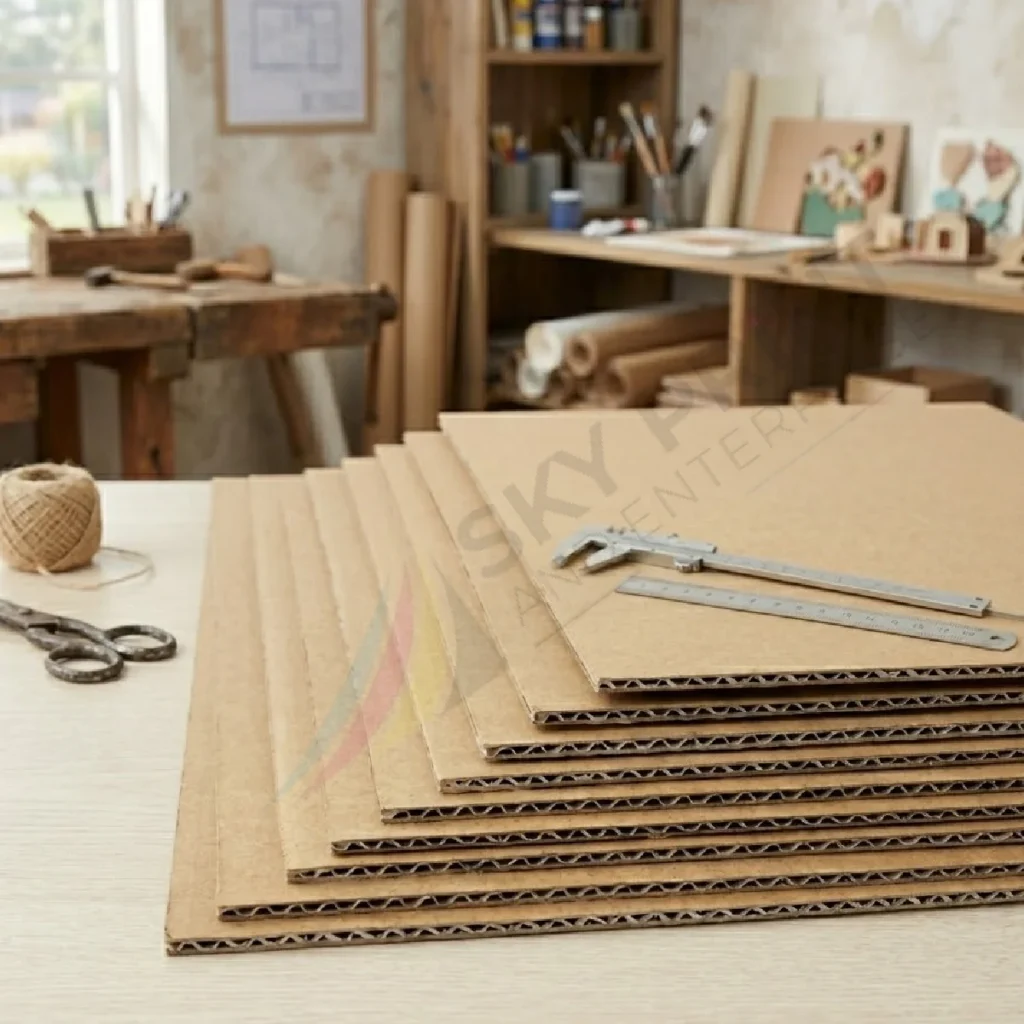
Corrugated cardboard is one of the strongest and most reliable packaging materials UK businesses use for transporting, storing and protecting products. Unlike standard paperboard, corrugated material is manufactured with one or more fluted layers sandwiched between liner boards. This engineered construction creates excellent cushioning, stacking strength and compression resistance while keeping the packaging relatively lightweight.
For businesses that ship products through courier networks, wholesalers or fulfilment centres, corrugated packaging is often the preferred solution because it reduces the risk of damage throughout the supply chain. Consequently, it has become the industry standard for e-commerce packaging, subscription boxes, export cartons and industrial shipping containers.
Although corrugated packaging is commonly associated with plain brown shipping boxes, modern printing technology allows it to become an attractive branded marketing tool. High-quality graphics, premium finishes and customised structural designs transform corrugated boxes into packaging that protects products while strengthening brand recognition.
To learn more about board construction, flute profiles and applications, explore our detailed guide to corrugated cardboard packaging material UK. You can also browse our range of custom mailer boxes for e-commerce businesses and durable corrugated box styles manufactured for businesses throughout the UK.
How Corrugated Board Works
The strength of corrugated packaging comes from its unique structure rather than the thickness of the paper alone. Between two outer liner boards sits a fluted paper layer that acts like a series of small arches. This design distributes pressure evenly across the surface while absorbing shocks during handling and transportation.
As a result, corrugated boxes can withstand considerably greater loads than ordinary folding cartons. Furthermore, the trapped air inside the fluted layer provides additional cushioning and a degree of thermal insulation, making corrugated packaging suitable for products that require extra protection during transit.
Common Corrugated Flute Types
| Flute Type | Characteristics | Typical Applications |
|---|---|---|
| E Flute | Thin profile with excellent print surface. | Retail cartons, cosmetics and premium mailer boxes. |
| B Flute | Excellent crush resistance and durability. | Retail distribution and general shipping cartons. |
| C Flute | Balanced cushioning and stacking strength. | Heavy shipping cartons and warehouse storage. |
| Double Wall | Maximum durability and load-bearing capacity. | Industrial products, exports and fragile equipment. |
Choosing the correct flute profile depends on the weight of the product, transportation method, stacking requirements and the desired printing quality. Therefore, packaging should always be engineered according to the demands of the supply chain rather than selected solely on board thickness.
Advantages of Corrugated Packaging
- Outstanding protection against impact during shipping.
- Excellent stacking strength for warehouse storage.
- Lightweight construction helps reduce shipping costs.
- Suitable for custom printing and branded packaging.
- Available in multiple flute profiles for different applications.
- Highly recyclable and widely accepted within UK recycling systems.
- Ideal for both manual and automated packing operations.
Industries That Benefit from Corrugated Packaging
Because corrugated packaging combines strength with versatility, it is widely used across almost every commercial sector. Businesses commonly choose corrugated packaging for:
- Electronic products requiring additional protection during delivery.
- Sports equipment packaging that must withstand transportation and storage.
- Food and beverage packaging for wholesale distribution.
- E-commerce fulfilment and subscription box services.
- Industrial components and export shipments.
For growing online retailers, corrugated packaging is often one of the best long-term investments because it protects products, reduces return rates and creates opportunities for fully branded unboxing experiences.
Rigid Box Packaging Material
Rigid board represents the premium end of the packaging industry. Unlike folding cartons or corrugated boxes, rigid packaging is manufactured from thick paperboard that retains its shape without collapsing. As a result, it delivers exceptional strength, luxurious presentation and outstanding perceived value, making it the preferred choice for premium retail products and high-end gifting.
Luxury brands frequently select rigid packaging because customers often associate the quality of the box with the quality of the product itself. A well-designed rigid box not only protects valuable products but also creates an impressive first impression that enhances customer confidence and encourages repeat purchases.
Discover more about premium construction methods in our guide to rigid box packaging materials, or explore our bespoke collection of custom rigid boxes manufactured for luxury brands across the UK.
Premium rigid packaging for luxury products
Why Luxury Brands Choose Rigid Packaging
Rigid boxes provide superior structural integrity compared with standard folding cartons. They can be manufactured with magnetic closures, ribbon pulls, foam inserts, EVA trays, velvet linings and premium decorative papers to create sophisticated packaging that enhances the customer’s unboxing experience.
Furthermore, rigid packaging offers exceptional opportunities for premium finishing techniques including foil stamping, embossing, debossing, spot UV coating and textured laminates. These finishes help businesses communicate exclusivity while reinforcing the quality of the products inside.
Typical Applications of Rigid Packaging
- Luxury jewellery packaging.
- Premium apparel packaging.
- Luxury gift boxes for seasonal and corporate gifting.
- Custom gift packaging solutions.
- High-end cosmetics, electronics and presentation kits.
Although rigid packaging typically requires a higher investment than folding cartons, many premium brands view it as a marketing asset rather than simply a container. The enhanced presentation, increased customer satisfaction and stronger brand perception often justify the additional manufacturing cost, particularly for luxury products where packaging plays an important role in the purchasing decision.
Paper Packaging Materials UK and Paperboard Grades
Paper-based packaging continues to dominate the UK packaging industry because it combines versatility, sustainability and excellent print performance. However, many businesses are unaware that the term paper packaging material covers a wide range of paperboard grades, each developed for different applications. Selecting the correct board grade is just as important as choosing the right packaging style because it affects structural strength, print quality, durability and overall product presentation.
Whether you require folding cartons for retail shelves, luxury presentation boxes, food packaging or promotional materials, choosing the appropriate paperboard ensures your packaging performs efficiently while reflecting the quality of your brand. Consequently, professional packaging manufacturers evaluate the product weight, storage conditions, printing requirements and finishing techniques before recommending a suitable board grade.
At Sky Print and Enterprise, we manufacture custom packaging using premium paperboard materials selected specifically for each application. Rather than using a single material for every project, we recommend the most appropriate board according to the product, branding objectives and budget.
Solid Bleached Sulphate (SBS)
Solid Bleached Sulphate, commonly known as SBS board, is manufactured from virgin wood pulp and features a bright white surface on both sides. It offers exceptional print quality, making it one of the best choices for premium retail packaging where colour accuracy and sharp graphics are essential.
SBS is widely used for cosmetics, pharmaceuticals, confectionery and luxury consumer goods because it delivers excellent folding performance while supporting premium finishing techniques such as foil stamping, embossing, debossing and spot UV varnishing.
Folding Box Board (FBB)
Folding Box Board (FBB), sometimes referred to as boxboard, consists of multiple layers including mechanical pulp sandwiched between chemical pulp surfaces. This construction creates an excellent balance between strength and lightweight performance.
Because FBB provides outstanding stiffness without excessive weight, it is frequently used for food packaging, healthcare products, cosmetics and premium retail cartons where both appearance and transportation efficiency are important.
Duplex Board
Duplex board features a coated white outer surface with a grey or white reverse side, depending on the grade selected. It offers excellent printability while remaining a cost-effective option for many retail packaging applications.
Businesses often choose duplex board when they require attractive printed packaging at competitive production costs. Consequently, it is commonly used for consumer goods, promotional packaging and folding cartons manufactured in medium to high production volumes.
Greyboard
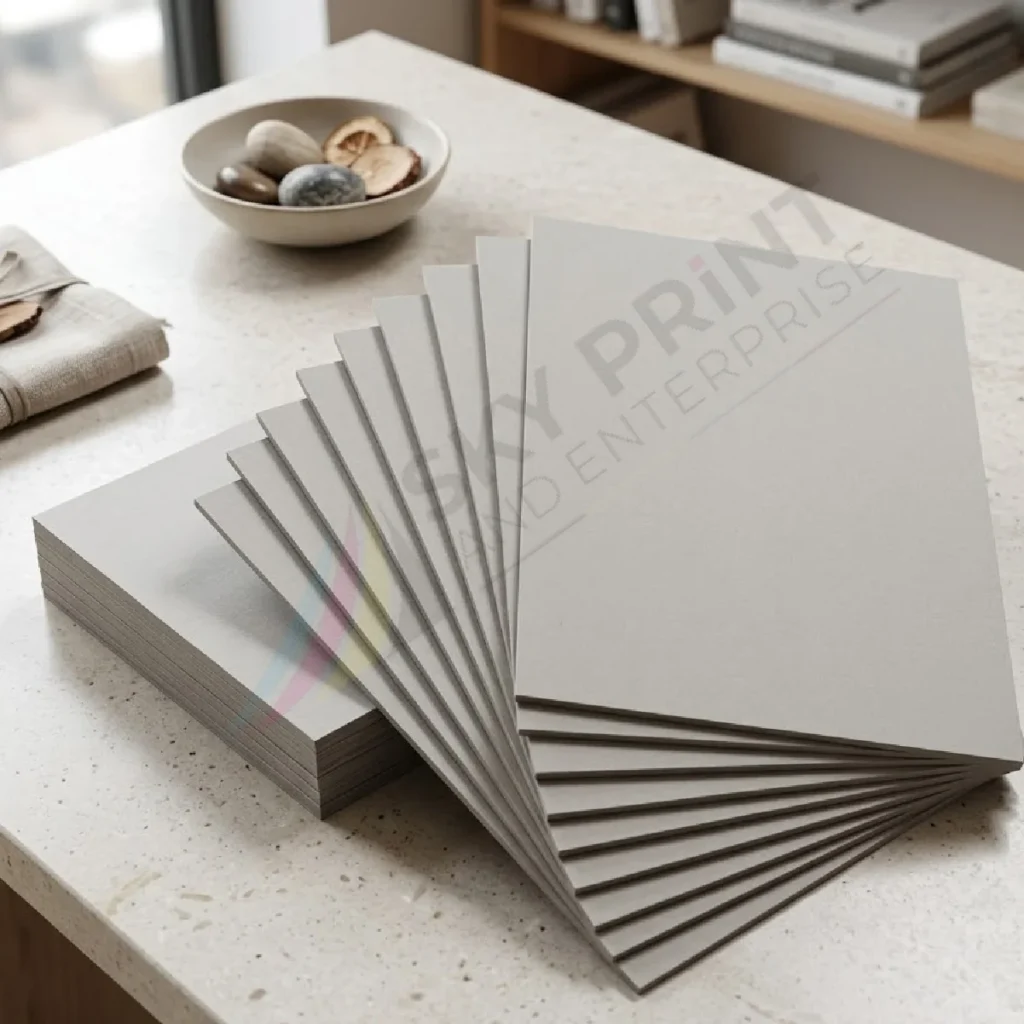
Greyboard is manufactured primarily from recycled paper fibres and is valued for its exceptional rigidity. Rather than being printed directly, it is normally wrapped with decorative papers, speciality materials or premium printed sheets to produce rigid boxes.
This board grade forms the structural core of many luxury packaging solutions, including magnetic closure boxes, presentation boxes, jewellery packaging and premium gift packaging. Although it is rarely visible once the box has been assembled, greyboard plays a vital role in delivering the strength and premium feel associated with rigid packaging.
Paper Packaging for Everyday Applications
Beyond paperboard grades used for cartons and rigid boxes, paper packaging materials also include wrapping paper, tissue paper, inserts, sleeves, paper bags, marketing materials and protective fillers. These products help businesses reduce plastic usage while maintaining attractive and functional packaging systems.
For example, luxury retailers frequently combine rigid boxes with tissue paper and branded paper bags to create a complete customer experience. Likewise, food businesses often use paper wraps and paperboard cartons together to provide practical, food-safe packaging with a professional appearance.
| Board Grade | Print Quality | Strength | Typical Uses |
|---|---|---|---|
| SBS | Excellent | High | Cosmetics, pharmaceuticals, luxury retail packaging |
| FBB | Excellent | High | Food packaging, consumer goods, folding cartons |
| Duplex Board | Very Good | Medium | Retail cartons, promotional packaging |
| Greyboard | Wrapped rather than printed | Excellent | Rigid boxes, presentation boxes, luxury gift packaging |
Although businesses rarely specify paperboard grades when requesting quotations, understanding these materials helps explain why some packaging performs better than others. A premium cosmetics brand, for instance, may benefit from SBS because of its outstanding print quality, whereas a luxury gift box will typically use greyboard for maximum rigidity. Similarly, food manufacturers often select FBB because it provides an ideal combination of stiffness, lightweight construction and excellent printing performance.
If you would like to learn more about selecting the right board for your products, our guide on how to choose the right material for custom packaging boxes explains the key considerations in greater detail. You can also explore our latest article on retail packaging materials to compare the options used across different industries.
Need Help Selecting the Best Packaging Material?
Choosing the right packaging material involves much more than selecting a box. Our packaging specialists consider your product weight, branding, print requirements, shipping conditions and sustainability goals before recommending the most suitable solution. Whether you need economical folding cartons, eco-friendly kraft packaging, protective corrugated boxes or premium rigid packaging, we’ll help you make the right investment.
Explore our complete custom packaging solutions or browse our wide range of custom box styles for inspiration.
How to Choose the Right Packaging Material
Selecting the most suitable packaging material involves much more than choosing a box that fits your product. Every packaging project should begin by understanding how the product will be manufactured, transported, displayed and ultimately used by the customer. Consequently, businesses that carefully evaluate these factors often achieve lower damage rates, improved customer satisfaction and stronger brand recognition.
Professional packaging manufacturers rarely recommend the same material for every product because each application presents different technical and commercial requirements. A lightweight skincare product requires different protection from a heavy electronic device, while luxury gift packaging demands a completely different presentation from shipping cartons used in e-commerce fulfilment. Therefore, the most effective packaging solution balances product protection, branding, sustainability and production efficiency.
1. Consider Product Weight and Fragility
The first consideration should always be the characteristics of the product itself. Heavy, fragile or valuable products require stronger structural materials than lightweight consumer goods.
| Product Type | Recommended Material | Reason |
|---|---|---|
| Lightweight Retail Products | Cardboard | Excellent print quality with economical production. |
| Heavy or Fragile Products | Corrugated Board | Superior impact resistance and shipping protection. |
| Luxury Retail Products | Rigid Board | Premium presentation with excellent structural strength. |
| Eco-conscious Products | Kraft Paper | Natural appearance with excellent recyclability. |
2. Define Your Branding Objectives
Packaging is often your customer’s first physical interaction with your business. Consequently, the material should reinforce your brand values rather than simply contain the product.
Businesses wanting vibrant colours, detailed graphics and premium shelf appeal generally achieve the best results with cardboard or premium paperboard. Conversely, companies promoting sustainability frequently prefer kraft packaging because its natural appearance immediately communicates environmental responsibility.
Luxury brands typically select rigid packaging because the substantial construction enhances perceived product value. Premium finishing techniques such as foil stamping, embossing, debossing and soft-touch lamination further strengthen the customer experience while differentiating products from competitors.
3. Evaluate Transportation Requirements
Products sold in retail environments experience very different handling conditions from products shipped directly to customers. Therefore, transportation should always influence material selection.
If your products travel through courier networks or fulfilment centres, corrugated packaging often provides the most reliable protection against impacts, stacking pressure and repeated handling. On the other hand, retail products displayed on shelves may prioritise visual presentation over heavy-duty structural performance.
4. Consider Sustainability Goals
Many organisations now include sustainability within their purchasing decisions. Selecting recyclable, responsibly sourced and paper-based packaging materials helps reduce environmental impact while meeting customer expectations.
Materials such as cardboard, kraft paper and corrugated board are widely recyclable throughout the UK. Furthermore, many manufacturers now incorporate recycled fibres and environmentally responsible production methods without compromising packaging performance.
5. Balance Performance with Budget
Although cost remains an important consideration, the cheapest packaging option is not always the most economical solution. Inferior materials can lead to damaged products, increased returns and higher replacement costs.
Instead, businesses should consider the total cost of ownership by evaluating manufacturing, shipping, storage, product protection and customer satisfaction together. In many cases, investing slightly more in higher-quality packaging materials delivers better long-term commercial value.
Quick Decision Guide
Need maximum shipping protection?
        │
       Yes
        │
Corrugated Board
        │
       No
        │
Need premium presentation?
        │
       Yes
        │
Rigid Board
        │
       No
        │
Need eco-friendly packaging?
        │
       Yes
        │
Kraft Paper
        │
       No
        │
Cardboard Packaging
Best Packaging Materials UK by Industry
Different industries have different packaging priorities. Some require premium shelf appeal, while others prioritise durability during transportation or compliance with food safety standards. Consequently, choosing packaging according to industry requirements often delivers better commercial results than selecting a material based solely on appearance or cost.
| Industry | Recommended Material | Suggested Packaging |
|---|---|---|
| Cosmetics & Skincare | Cardboard / Rigid | Cosmetic packaging boxes |
| Food & Bakery | Kraft / FBB | Food packaging boxes |
| Jewellery | Rigid Board | Luxury jewellery packaging |
| Apparel | Rigid / Cardboard | Apparel packaging boxes |
| Electronics | Corrugated / Rigid | Electronic packaging boxes |
| E-commerce | Corrugated | Custom mailer boxes |
If you’re unsure which material best suits your products, our article on choosing the right material for custom packaging boxes explains the decision-making process in more detail, while our guide to cosmetic packaging trends in the UK demonstrates how material selection influences premium branding within competitive retail markets.
Printed Packaging Materials and Premium Finishing Options
Choosing the right packaging material is only one part of creating exceptional packaging. Equally important is selecting a material that works well with your chosen printing method and finishing techniques. The appearance of your packaging directly influences customer perception, purchasing decisions and overall brand recognition. Therefore, businesses should consider how each material performs during printing before making a final decision.
Modern packaging materials support a wide range of printing technologies, allowing businesses to produce everything from simple branded shipping cartons to luxury presentation boxes with sophisticated decorative finishes. Consequently, the same structural design can create very different customer experiences depending on the materials, inks and finishing processes selected.
At Sky Print and Enterprise, every packaging project is developed with both structural performance and visual impact in mind. Our team evaluates the board grade, surface finish, print process and intended use before recommending the most appropriate manufacturing solution.
Which Packaging Materials Print Best?
Every packaging material offers different printing characteristics. Some materials produce vibrant photographic graphics, while others are better suited to minimalist branding or premium finishes.
| Packaging Material | Print Quality | Premium Finishes | Ideal For |
|---|---|---|---|
| Cardboard | Excellent | Foil, embossing, spot UV, lamination | Retail packaging and folding cartons |
| Kraft Paper | Very Good | Embossing, black ink, white ink, foil | Eco-friendly and artisan packaging |
| Corrugated Board | Very Good | Litho-lamination, flexographic printing | Shipping boxes and e-commerce packaging |
| Rigid Board | Excellent | Foil, embossing, debossing, textured papers, soft-touch lamination | Luxury packaging and premium gift boxes |
Popular Premium Finishing Techniques
Finishing techniques transform standard packaging into premium branded packaging. Although structural strength protects the product, finishing creates the emotional connection that customers remember. Consequently, many successful brands invest in carefully selected finishing options that reflect the quality of their products.
Foil Stamping
Foil stamping applies metallic or coloured foil to selected areas of the packaging using heat and pressure. Gold, silver, copper and holographic foils are frequently used to create elegant logos, product names and decorative elements that immediately attract attention.
Embossing and Debossing
Embossing raises selected design elements above the surface of the board, whereas debossing presses them below the surface. Both techniques create tactile packaging that enhances perceived quality and encourages customers to interact with the product.
Spot UV Coating
Spot UV applies a high-gloss coating to specific design elements while leaving the surrounding surface matt. This contrast creates visual depth and is particularly effective for highlighting logos, product photography and brand names.
Matt and Gloss Lamination
Lamination protects printed surfaces while enhancing appearance. Matt lamination provides a sophisticated, understated finish, whereas gloss lamination increases colour vibrancy and delivers a polished appearance. Soft-touch lamination adds a luxurious velvet-like texture that is widely used on premium rigid packaging.
Window Patching and Die-Cutting
Die-cut windows allow customers to view products without opening the packaging. Combined with transparent film, these features improve shelf appeal while maintaining product protection. Creative die-cut shapes can also reinforce brand identity and differentiate packaging from competitors.
Matching Finishes to Your Industry
Different industries benefit from different combinations of materials and finishes. Selecting finishes that complement both the product and target audience helps maximise the return on your packaging investment.
- Cosmetics: Soft-touch lamination, foil stamping and embossing.
- Luxury gifts: Magnetic closures, ribbon pulls, textured papers and foil details.
- Food packaging: Protective coatings with clean, vibrant printing.
- Retail products: Spot UV, matt lamination and precision die-cutting.
- Corporate packaging: Embossed logos with premium paper finishes.
If you’re planning premium branded packaging, our custom printing services combine advanced printing technology with high-quality packaging materials to produce consistent, professional results. You can also find inspiration in our guide to branded gift boxes for UK businesses, which demonstrates how premium finishes elevate customer experience.
Create Packaging That Reflects Your Brand
From economical folding cartons to luxury rigid presentation boxes, we manufacture fully customised packaging using carefully selected materials, premium printing and professional finishing techniques. Whether you’re launching a new product or refreshing an established brand, we’ll recommend the best packaging solution for your industry, budget and marketing goals.
Explore our custom packaging solutions, browse our custom printed cardboard boxes, or speak with our specialists for tailored recommendations.
Sustainable Packaging Materials in the UK
Sustainability has become one of the most important considerations when selecting packaging materials UK businesses use. Customers, retailers and regulators increasingly expect companies to reduce waste, improve recyclability and adopt more responsible packaging practices. Therefore, choosing sustainable materials is no longer only an environmental decision; it has become an important part of brand reputation, customer trust and long-term business strategy.
However, sustainable packaging does not simply mean selecting any paper-based material. Effective sustainable packaging requires a complete approach that considers material sourcing, manufacturing processes, product protection, transport efficiency, reuse possibilities and end-of-life recycling. Consequently, businesses should evaluate the complete packaging lifecycle rather than focusing on one environmental factor.
At Sky Print and Enterprise, we help businesses select packaging materials that balance sustainability with practical performance. A package must still protect the product, survive transportation and maintain brand presentation while reducing unnecessary environmental impact.
Why Sustainable Packaging Matters for UK Businesses
The demand for sustainable packaging has grown significantly because consumers are becoming more environmentally conscious. Many customers now consider packaging choices when deciding which brands to support. As a result, companies that demonstrate responsible packaging practices can strengthen customer loyalty and differentiate themselves in competitive markets.
Furthermore, sustainable packaging can provide operational advantages. Lightweight materials may reduce transportation costs, recyclable materials can simplify waste management, and efficient packaging designs can reduce unnecessary material usage.
Nevertheless, sustainability should always be balanced with product protection. Using insufficient packaging can increase product damage, returns and waste. Therefore, the most sustainable solution is often the packaging material that provides the correct level of protection with the minimum necessary material usage.
Most Popular Sustainable Packaging Materials UK
| Material | Sustainability Benefits | Common Applications |
|---|---|---|
| Kraft Paper | Renewable, recyclable and biodegradable. | Food packaging, paper bags, eco-friendly boxes. |
| Recycled Cardboard | Reduces demand for virgin fibres and supports circular packaging. | Retail cartons, shipping boxes and product packaging. |
| Corrugated Board | Highly recyclable with strong material recovery rates. | E-commerce packaging, transport boxes and logistics. |
| Paper-Based Inserts | Alternative to plastic fillers and protective materials. | Product protection and presentation packaging. |
Recyclability vs Biodegradability
Businesses often use the terms recyclable and biodegradable interchangeably; however, they describe different environmental characteristics.
Recyclable packaging can be processed and converted into new paper products after use. Cardboard and corrugated packaging are excellent examples because they can frequently re-enter the manufacturing cycle.
Biodegradable packaging naturally breaks down through biological processes over time. Kraft paper and certain untreated paper materials are commonly associated with biodegradability.
Therefore, the best packaging choice depends on the product requirements, local recycling infrastructure and the intended sustainability goals of the business.
Sustainable Packaging Design Principles
Material selection is only one part of sustainable packaging. Structural design also plays a major role in reducing environmental impact. Efficient packaging design focuses on using the right amount of material while maintaining product protection.
- Reduce unnecessary material: Avoid oversized packaging that creates excess waste.
- Optimise dimensions: Better box sizing improves storage and transport efficiency.
- Select recyclable components: Avoid unnecessary mixed materials that complicate recycling.
- Use responsible printing: Choose suitable inks and finishes that support recyclability.
- Design for customer convenience: Easy-to-recycle packaging improves consumer participation.
For businesses looking to improve their environmental credentials, our guide on sustainable packaging solutions in the UK provides additional information about eco-friendly packaging strategies.
UK Packaging Regulations, Standards and Responsible Material Selection
Packaging manufacturers and businesses supplying products in the UK must consider various environmental responsibilities and packaging regulations. These requirements aim to encourage better waste management, improve recycling rates and reduce unnecessary packaging waste.
Although regulations continue to evolve, responsible businesses should understand the importance of selecting appropriate materials, reducing avoidable waste and maintaining accurate information about their packaging choices.
UK Packaging Waste Responsibilities
The UK has introduced packaging waste regulations designed to increase recycling and recovery while encouraging businesses to consider the environmental impact of packaging. Organisations involved in producing, importing or supplying packaged goods may have specific responsibilities depending on their size and activities.
For official information regarding packaging waste obligations and compliance requirements, businesses can refer to the UK Government guidance: UK Government packaging waste compliance guidance
Additionally, organisations such as WRAP provide guidance and research on improving resource efficiency and reducing packaging waste: WRAP UK sustainable packaging resources
Material Certifications and Responsible Sourcing
Depending on the application, businesses may consider certified materials that demonstrate responsible sourcing and environmental management. For example, responsibly sourced paper fibres can help companies communicate their sustainability commitments more effectively.
However, certifications should support genuine sustainability efforts rather than being used only as marketing statements. A truly sustainable packaging strategy combines certified materials, efficient design, appropriate manufacturing and responsible disposal practices.
Common Packaging Material Selection Mistakes
Choosing packaging materials without considering the complete product journey can create unnecessary costs and performance issues. Therefore, businesses should avoid several common mistakes when planning packaging projects.
- Choosing based only on price: The cheapest material may increase damage risks or reduce customer perception.
- Ignoring transportation conditions: Packaging suitable for retail shelves may not survive courier delivery.
- Overlooking branding requirements: Material should support printing and finishing expectations.
- Selecting excessive packaging: Oversized boxes increase material consumption and shipping costs.
- Using unsuitable sustainable materials: Eco-friendly packaging must still provide adequate product protection.
A professional packaging assessment helps businesses avoid these issues by considering product requirements, customer expectations and operational goals together.
Build a More Sustainable Packaging Strategy
Choosing sustainable packaging requires expert material knowledge, not simply selecting recyclable materials. Our team helps businesses identify packaging solutions that provide the right combination of protection, presentation, sustainability and cost efficiency.
Explore our custom packaging solutions for UK businesses or contact our specialists for advice on sustainable packaging materials.
Frequently Asked Questions About Packaging Materials UK
Choosing the correct packaging material can be challenging because every product, industry and supply chain has different requirements. The following frequently asked questions explain the most important considerations businesses should understand before selecting packaging materials for their products.
What are the most commonly used packaging materials in the UK?
The most commonly used packaging materials in the UK include cardboard, kraft paper, corrugated cardboard, rigid board and paper-based materials. Each material serves a different purpose depending on product weight, protection requirements, branding objectives and sustainability goals.
For example, cardboard is widely used for retail packaging because it offers excellent print quality and flexibility. Meanwhile, corrugated cardboard is preferred for shipping applications because its fluted structure provides additional strength and cushioning. Similarly, kraft packaging is popular among sustainable brands because of its natural appearance and recyclable properties.
Which packaging material is best for shipping products?
Most businesses choose corrugated cardboard for shipping because it provides excellent protection against impacts, compression and handling damage. The fluted internal structure creates cushioning while maintaining a lightweight construction that helps control transportation costs.
However, the ideal material depends on the product and the shipping method you choose. Fragile products may require additional inserts, protective layers or stronger board grades, while lightweight products may only require standard corrugated packaging.
Businesses looking for reliable shipping solutions can explore our custom mailer boxes designed for e-commerce shipping.
Is cardboard an eco-friendly packaging material?
Yes, cardboard is one of the most widely recycled packaging materials available. It is produced from paper fibres and can often be recovered and converted into new paper products after use.
However, the environmental performance of cardboard depends on several factors, including sourcing, coatings, inks and recycling processes. Therefore, businesses should consider the complete packaging lifecycle rather than focusing only on the material itself.
What is the difference between cardboard and corrugated packaging?
The main difference between cardboard and corrugated packaging is their structure and intended use.
Businesses generally use cardboard as a single-layer paperboard material for folding cartons, retail packaging and lightweight products. Corrugated packaging contains fluted layers between liner boards, creating significantly higher strength and cushioning performance.
Therefore, businesses usually select cardboard for presentation and branding, while they choose corrugated packaging for transportation and product protection.
Which packaging material is best for luxury products?
Rigid packaging material is usually the preferred choice for luxury products because it provides a premium appearance, excellent durability and a memorable unboxing experience.
Luxury rigid boxes can include magnetic closures, ribbon pulls, premium wrapping papers, foil stamping, embossing and custom inserts. These features help brands communicate quality and create stronger emotional connections with customers.
Explore our custom rigid boxes for luxury product packaging to see premium packaging options.
Which packaging material is best for eco-friendly brands?
Kraft paper, recycled cardboard and corrugated packaging are commonly selected by environmentally conscious brands because they support recyclable and paper-based packaging strategies.
Kraft packaging is particularly popular because its natural appearance immediately communicates sustainability. However, the most suitable choice depends on product protection requirements, branding needs and the intended customer experience.
Can packaging materials be customised with branding?
Yes, most paper-based packaging materials can be customised with professional printing and finishing techniques. Businesses can add logos, brand colours, product information, illustrations and decorative elements to create packaging that supports their marketing strategy.
Premium finishes such as embossing, foil stamping, spot UV and textured coatings can further enhance the appearance of packaging. Our custom printing services help businesses create consistent branded packaging solutions.
What packaging material is best for food products?
Food packaging commonly uses kraft paper, food-grade cardboard and specialised paperboard materials because they provide a practical balance between safety, presentation and sustainability.
The correct material depends on the product type, storage requirements and whether additional protective barriers are required. Food packaging should always be designed according to appropriate industry requirements.
Businesses can explore our custom food packaging boxes for branded food product solutions.
How do I choose the correct packaging material for my business?
The correct packaging material should be selected by considering:
- Product size, weight and fragility.
- Shipping and storage requirements.
- Branding and printing expectations.
- Sustainability objectives.
- Production quantity and budget.
- Customer expectations and unboxing experience.
Working with an experienced packaging supplier can simplify this process because specialists can recommend suitable materials based on practical manufacturing experience.
Are sustainable packaging materials more expensive?
Sustainable packaging materials are not always more expensive. The final cost depends on material choice, design complexity, printing requirements, finishing options and order quantity.
In many cases, efficient sustainable packaging designs can reduce material usage, improve transportation efficiency and provide long-term cost benefits.
Can businesses use one packaging material for every product?
No. Different products require different levels of protection, presentation and functionality. A cosmetic product, electronic device and food product each have unique packaging requirements.
For this reason, professional packaging manufacturers evaluate every project individually rather than recommending one universal material.
Conclusion: Selecting the Right Packaging Material for Your Business
Packaging materials play a crucial role in protecting products, strengthening brand identity and improving customer experience. From versatile cardboard and sustainable kraft paper to protective corrugated board and premium rigid packaging, each material provides unique advantages for different applications.
The best packaging solution is not always the strongest or most expensive option. Instead, it is the material that creates the right balance between protection, appearance, sustainability and cost efficiency.
Businesses that carefully select packaging materials can reduce product damage, improve operational efficiency and create stronger connections with customers. Furthermore, combining the right material with professional printing and thoughtful structural design allows packaging to become a powerful marketing asset rather than simply a protective container.
At Sky Print and Enterprise, we help UK businesses select, design and manufacture customised packaging solutions using carefully chosen materials. Whether you need sustainable kraft packaging, branded cardboard boxes, durable corrugated shipping solutions or luxury rigid packaging, our team provides expert support from concept to production.
Ready to Choose the Right Packaging Material?
Get professional advice on selecting the ideal packaging material for your products. Our specialists help businesses create packaging that delivers protection, sustainability and premium brand presentation.
From retail packaging and e-commerce boxes to luxury gift packaging and sustainable solutions, we manufacture custom packaging tailored to your requirements.