
Retail packaging materials play a vital role in protecting products, enhancing brand identity, and creating memorable customer experiences. While attractive packaging certainly captures attention, the material behind every box determines its durability, print quality, sustainability, and overall performance. Therefore, selecting the right packaging material is one of the most important decisions businesses make when developing branded retail packaging.
Today, brands across the UK have access to a wide variety of packaging materials, including cardboard, corrugated board, kraft paperboard, rigid board, and folding cartons. However, each material offers unique advantages depending on the product, target audience, retail environment, and budget. As a result, understanding these differences helps businesses invest in packaging that not only protects products but also strengthens customer confidence and improves brand perception.
Moreover, consumers increasingly expect packaging to be environmentally responsible without compromising quality. Consequently, many businesses are moving towards recyclable, reusable, and sustainable packaging materials that support modern environmental goals.
Whether you manufacture food products, cosmetics, luxury gifts, healthcare items, or retail goods, choosing the correct packaging material can significantly influence product presentation, transportation, and long-term business success. This guide explains the most commonly used retail packaging materials, compares their strengths, and helps you determine which material is best suited for your products.
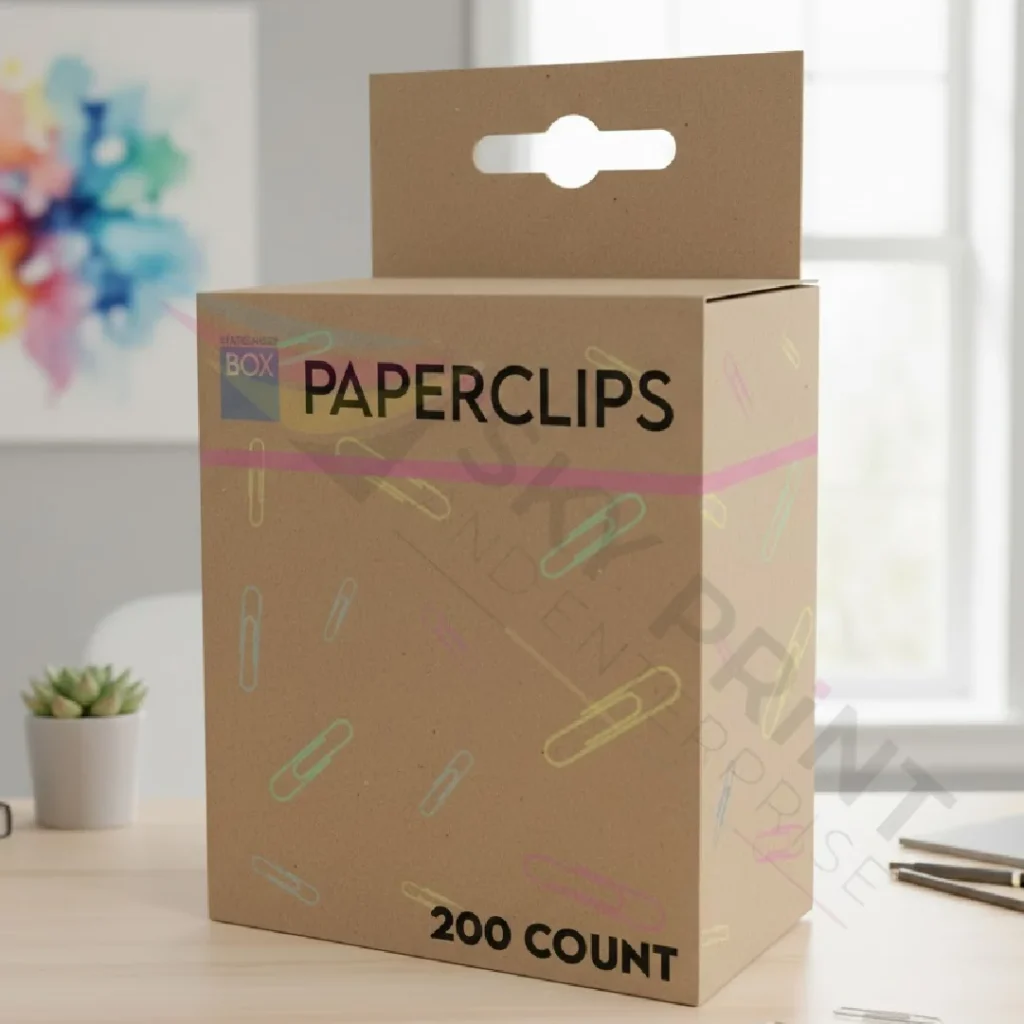
Kraft packaging is a sustainable choice for brands looking to reduce environmental
impact.
📑 Table of Contents
- What Are Retail Packaging Materials?
- Why the Right Retail Packaging Material Matters
- Types of Retail Packaging Materials
- Best Packaging Materials for Different Products
- Cardboard vs Corrugated vs Kraft vs Rigid Board
- Sustainable Retail Packaging Materials
- Printing and Finishing on Different Materials
- How to Choose the Right Packaging Material
- Common Packaging Material Mistakes
- Benefits of Custom Retail Packaging Materials
- Choosing the Right Packaging Partner
- Frequently Asked Questions
What Are Retail Packaging Materials?
Retail packaging materials are the physical materials used to manufacture packaging that protects, presents, and promotes products before they reach customers. Although packaging is often viewed as a simple container, the material itself determines how well a package performs throughout storage, transportation, retail display, and the customer’s unboxing experience.
Today, businesses use a combination of cardboard, corrugated board, kraft paperboard, rigid board, and specialty paper materials to create packaging for products across almost every industry. Consequently, selecting the correct material improves structural strength, enhances print quality, reduces damage during transit, and supports a consistent brand image.
Unlike plain shipping cartons, retail packaging materials are carefully selected to balance appearance with functionality. Therefore, premium retail packaging often combines attractive printing, protective strength, and sustainable materials to create packaging that performs well while reinforcing brand identity. Businesses looking to explore complete packaging solutions can also browse our range of custom retail packaging boxes for different industries and product categories.
More Than Just Product Protection
Modern packaging materials do far more than protect products from damage. In fact, they help communicate product quality before customers even open the box. As a result, brands often use premium materials to create a stronger first impression and increase perceived product value.
Furthermore, high-quality materials improve printing accuracy, finishing options, and structural performance. Whether businesses choose kraft packaging, corrugated board, or rigid packaging, the material becomes an important part of the overall customer experience.
How Packaging Materials Support Brand Identity
Every packaging material creates a different visual and tactile experience. For example, rigid board conveys luxury, while kraft paperboard reflects sustainability and natural branding. Likewise, premium cardboard delivers excellent print quality for colourful retail packaging, whereas corrugated board focuses on protection without sacrificing branding opportunities.
Because packaging often creates the first interaction between a customer and a product, selecting suitable materials helps businesses build trust, improve recognition, and create a memorable unboxing experience. If you are planning branded packaging for retail products, our comprehensive guide to custom retail packaging boxes explores how packaging materials and design work together to strengthen product presentation.
Need Help Choosing the Right Packaging Material?
Every product requires a different combination of strength, print quality, and sustainability. Our packaging specialists can recommend the most suitable material based on your product, budget, and branding goals.
Why the Right Retail Packaging Material Matters
Selecting the right retail packaging material influences far more than product protection. Instead, it directly affects manufacturing costs, customer perception, sustainability, print quality, transportation efficiency, and long-term brand reputation. Therefore, businesses should evaluate packaging materials carefully before choosing a box style or printing method.
Although many materials may appear similar, they perform very differently depending on product weight, storage conditions, retail environments, and shipping requirements. Consequently, choosing an unsuitable material can increase damage rates, reduce customer satisfaction, and create unnecessary packaging costs.
Better Protection Throughout the Supply Chain
Every product experiences multiple handling stages before reaching the customer. Therefore, packaging materials must withstand storage, transportation, warehouse handling, and retail display without compromising product quality.
For example, corrugated board provides superior cushioning for heavier products, whereas rigid board offers excellent structural integrity for luxury retail packaging. Meanwhile, folding cartons remain an economical option for lightweight retail products.
Improved Print Quality and Shelf Appeal
Packaging materials also determine how colours, graphics, and finishing techniques appear after printing. Smooth paperboard generally delivers sharper image reproduction, while rigid materials support premium finishes such as foil stamping, embossing, and soft-touch lamination.
As a result, businesses that invest in suitable packaging materials often achieve stronger shelf presence and improved brand recognition. If your products require premium presentation, you may also explore our custom rigid boxes for luxury retail packaging.
Supporting Sustainability Goals
Environmental responsibility has become an important purchasing factor for both consumers and retailers. Consequently, many businesses now choose recyclable, biodegradable, or responsibly sourced packaging materials to reduce environmental impact while maintaining packaging performance.
Moreover, sustainable packaging can strengthen brand reputation and help businesses meet changing consumer expectations. The UK Government also provides guidance on reducing packaging waste and improving resource efficiency through its waste strategy initiatives.
Balancing Cost with Long-Term Value
Choosing the cheapest packaging material does not always reduce overall business costs. In many cases, investing in stronger, better-performing materials decreases product damage, returns, and replacement expenses. Furthermore, attractive packaging often increases perceived product value, helping businesses justify premium pricing.
Therefore, the most effective packaging solution is usually the one that balances protection, branding, sustainability, and production costs rather than focusing solely on the lowest material price.
Types of Retail Packaging Materials Used in Retail Packaging
Modern retail packaging is manufactured using several different materials, each designed to meet specific product requirements. While every material serves the same basic purpose of protecting products, they differ considerably in durability, print quality, appearance, sustainability, and cost. Therefore, understanding their characteristics helps businesses choose packaging that aligns with both functional needs and branding objectives.
Moreover, many businesses combine multiple materials within the same packaging solution to achieve better protection and a more premium customer experience. For example, a luxury rigid box may include cardboard inserts, whereas a corrugated mailer may feature printed paper sleeves for branding. Consequently, selecting the right material should always be based on the product rather than trends alone.
| Material | Best For | Key Advantage |
|---|---|---|
| Cardboard | Retail products | Excellent print quality |
| Corrugated Board | Shipping & heavy products | Superior protection |
| Kraft Board | Eco-friendly brands | Sustainable appearance |
| Rigid Board | Luxury products | Premium presentation |
Cardboard Packaging Materials
Cardboard packaging material remains one of the most widely used retail packaging materials because it offers an excellent balance between affordability, print quality, and versatility. Businesses across food, cosmetics, electronics, healthcare, and consumer goods industries rely on cardboard for everyday retail packaging.
Additionally, cardboard supports vibrant printing, premium finishes, and custom die-cut designs, making it suitable for brands that prioritise attractive product presentation. If you’re exploring commercial cardboard packaging solutions, our custom printed cardboard boxes showcase how this material performs across different industries.
Corrugated Packaging Materials
Corrugated board is manufactured using multiple layers of paper with a fluted centre that provides exceptional strength and shock absorption. Consequently, it is commonly used for shipping, subscription boxes, fragile products, and heavier retail items that require additional protection.
Although corrugated packaging is known for durability, it also supports high-quality printing and branding. Therefore, businesses no longer have to compromise appearance for protection. If your products require stronger packaging, explore our corrugated packaging boxes for retail and e-commerce applications.
Kraft Packaging Materials
Kraft packaging materials have become increasingly popular as businesses move towards environmentally responsible packaging solutions. Manufactured from natural paper fibres, kraft board provides a distinctive organic appearance while remaining recyclable and biodegradable.
Furthermore, kraft packaging appeals to customers who value sustainability without sacrificing product quality. Many organic food brands, cosmetic companies, candle manufacturers, and handmade businesses prefer kraft packaging because it communicates authenticity and environmental responsibility. Learn more about our custom kraft boxes for sustainable retail packaging.
Rigid Board Packaging Materials
Rigid board packaging material represents the premium end of retail packaging. Unlike folding cartons, rigid boxes maintain their shape permanently, creating a luxurious feel that immediately enhances perceived product value.
Consequently, luxury brands commonly use rigid board for perfumes, watches, jewellery, electronics, premium cosmetics, and corporate gifts. Moreover, rigid packaging supports advanced finishes including embossing, foil stamping, magnetic closures, ribbon pulls, and soft-touch lamination, allowing brands to create exceptional unboxing experiences.
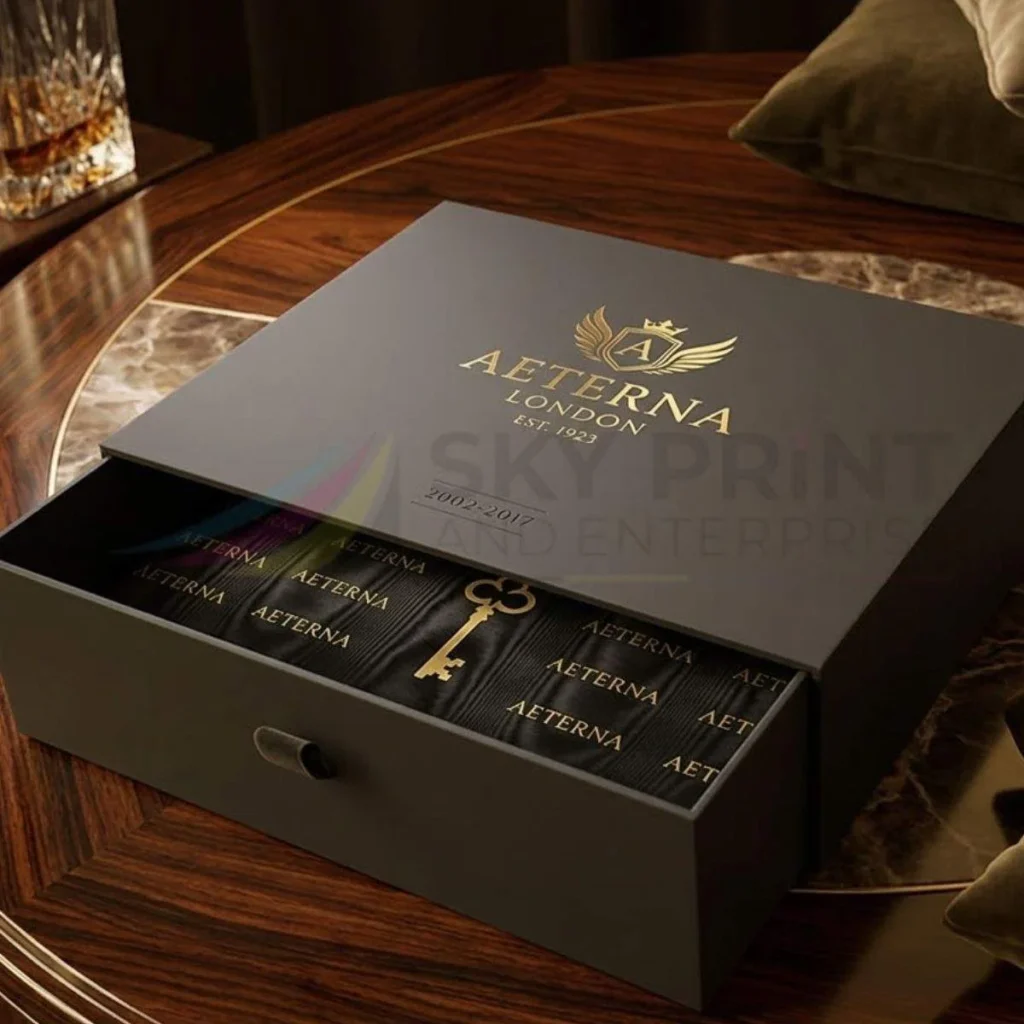
Rigid board creates premium retail packaging for luxury brands and high-value products.
If your products require premium presentation, our custom rigid packaging solutions demonstrate how luxury materials elevate brand perception.
Looking for the Perfect Packaging Material?
Whether you need economical cardboard, sustainable kraft, protective corrugated board, or premium rigid packaging, our experts can recommend the most suitable option for your product and budget.
Best Retail Packaging Materials for Different Products
Choosing the best retail packaging material depends largely on the product being packaged. While appearance is important, businesses must also consider product weight, fragility, moisture resistance, transportation requirements, and customer expectations. Therefore, the ideal packaging material varies across industries and product categories.
Instead of using one material for every product, successful brands select packaging materials that maximise protection while reinforcing their brand positioning. As a result, products arrive safely, look more professional, and deliver a stronger customer experience.
Food and Beverage Products
Food packaging boxes requires materials that provide hygiene, structural integrity, and excellent print quality. Folding cartons, kraft board, and food-grade cardboard remain popular choices because they balance branding with product protection.
For example, products such as custom tea boxes, coffee packaging, cereal boxes, and honey packaging often use high-quality paperboard with protective coatings to preserve freshness while supporting premium branding.
Beauty and Personal Care Products
Cosmetics and healthcare products require packaging materials that reflect quality and professionalism. Consequently, premium cardboard and rigid board are commonly selected because they support luxury printing and decorative finishing.
Products including perfume boxes, toothpaste packaging, and condom packaging boxes benefit from materials that combine attractive presentation with reliable product protection.
Luxury Retail Products
Luxury products demand packaging that immediately communicates exclusivity. Therefore, rigid board remains the preferred material for premium retail packaging because it creates exceptional structural quality and supports sophisticated finishing options.
Additionally, luxury packaging frequently incorporates ribbon closures, magnetic lids, foam inserts, and textured laminations that enhance the customer’s unboxing experience.
Industrial and Heavy Products
Heavier products require stronger packaging materials capable of resisting compression and impact during transportation. As a result, corrugated board provides the best balance of durability, affordability, and sustainability for industrial and commercial packaging.
Businesses shipping tools, equipment, hardware, or larger consumer products often combine corrugated packaging with custom inserts to minimise movement and reduce transit damage.
Ultimately, selecting the right packaging material ensures products remain protected while delivering the branding experience customers expect.
Cardboard vs Corrugated vs Kraft vs Rigid Board: Which Material Is Best?
One of the most common questions businesses ask is which packaging material offers the best combination of protection, branding, sustainability, and cost. Unfortunately, there is no single material that suits every product. Instead, each packaging material performs differently depending on the application. Therefore, understanding the strengths and limitations of each option helps businesses make informed packaging decisions.
Moreover, selecting the wrong material can increase production costs, reduce customer satisfaction, and even lead to damaged products during shipping. Consequently, comparing materials before placing an order is always a worthwhile investment.
| Feature | Cardboard | Corrugated | Kraft | Rigid Board |
|---|---|---|---|---|
| Print Quality | ★★★★★ | ★★★★☆ | ★★★★☆ | ★★★★★ |
| Product Protection | ★★★☆☆ | ★★★★★ | ★★★☆☆ | ★★★★★ |
| Luxury Appearance | ★★★★☆ | ★★★☆☆ | ★★★★☆ | ★★★★★ |
| Sustainability | ★★★★☆ | ★★★★★ | ★★★★★ | ★★★★☆ |
| Cost | Low | Medium | Low–Medium | High |
| Best For | Retail products | Shipping & heavy items | Eco brands | Luxury products |
When Cardboard Is the Best Choice
Cardboard remains one of the most versatile packaging materials because it combines affordability with excellent printing performance. Therefore, businesses commonly use cardboard for cosmetics boxes, food packaging, healthcare products, toys, stationery, and general retail products.
Furthermore, cardboard supports vibrant colours, detailed graphics, embossing, foil stamping, and various coatings. As a result, brands looking for attractive retail packaging without premium production costs often choose cardboard.
When Corrugated Board Performs Better
Corrugated packaging becomes the preferred option whenever product protection is the highest priority. Because its fluted inner layer absorbs impact, it protects fragile products during warehousing and transportation far more effectively than standard folding cartons.
Consequently, corrugated packaging is widely used for subscription boxes, e-commerce deliveries, electronics, glass products, and industrial goods that travel through complex supply chains.
Why Many Eco-Friendly Brands Choose Kraft
Kraft packaging has become one of the fastest-growing packaging materials across the UK. Besides offering excellent recyclability, it naturally communicates sustainability without requiring excessive printing or decorative finishes.
Therefore, brands selling handmade products, candles, honey, tea, organic foods, skincare products, and artisan goods frequently select kraft packaging to reinforce their environmental values. If sustainability is one of your priorities, you may also enjoy our guide on how kraft boxes support a zero-waste lifestyle.
Why Luxury Brands Prefer Rigid Board
Rigid board delivers unmatched structural quality and premium presentation. Unlike folding cartons, it maintains its shape permanently, giving customers an immediate sense of quality before they even open the package.
Additionally, rigid packaging supports magnetic closures, ribbon pulls, foam inserts, premium laminations, and luxury printing techniques. Consequently, many premium retailers consider rigid board an investment in customer experience rather than simply a packaging material.
Compare Packaging Materials Before You Order
Not every packaging material suits every product. Our specialists can recommend the ideal combination of strength, appearance, sustainability, and budget for your retail packaging project.
Sustainable Retail Packaging Materials: Building Better Packaging for the Future
Sustainability is no longer just a marketing trend—it has become a key purchasing factor for businesses and consumers alike. As environmental awareness continues to grow, companies are actively replacing traditional packaging with materials that reduce waste while maintaining excellent product protection. Therefore, choosing sustainable retail packaging materials has become an important competitive advantage.
Fortunately, modern eco-friendly packaging materials offer impressive durability, attractive presentation, and excellent print quality. Consequently, businesses no longer have to sacrifice branding in order to achieve their sustainability goals.
Why Sustainable Packaging Matters More Than Ever
Consumers increasingly expect brands to reduce unnecessary packaging and use recyclable or responsibly sourced materials. Moreover, many retailers now prefer suppliers who demonstrate environmentally responsible manufacturing practices.
Consequently, sustainable packaging not only benefits the environment but also improves customer trust and strengthens brand reputation.
Popular Eco-Friendly Packaging Materials
Today’s most widely used sustainable materials include kraft board, recycled cardboard, recyclable corrugated board, FSC-certified paperboard, soy-based inks, and biodegradable coatings.
These materials provide excellent performance while reducing environmental impact. Businesses looking to transition towards greener packaging can also read our guide on custom sustainable packaging in the UK.
Can Sustainable Packaging Still Look Premium?
Absolutely. Modern sustainable packaging combines minimalist design, premium printing, textured papers, embossing, and carefully selected finishes to produce packaging that feels luxurious while remaining environmentally responsible.
In fact, many premium brands intentionally choose natural kraft textures because customers increasingly associate simple, sustainable packaging with authenticity and quality.
Government Guidance on Sustainable Packaging
Businesses should also stay informed about packaging regulations and waste reduction initiatives. The UK Government provides guidance on packaging waste, recycling, and environmental responsibilities through its official resources available at Resources and Waste Strategy for England.
Ultimately, investing in sustainable retail packaging materials helps businesses prepare for future regulations while building stronger relationships with environmentally conscious customers.
Printing and Finishing Options for Retail Packaging Materials
Selecting the right retail packaging material is only part of the process. Equally important is choosing printing and finishing techniques that enhance product presentation while maintaining consistent brand identity. Since every packaging material reacts differently to inks, coatings, and finishes, businesses should match the printing method with the chosen material to achieve the best results.
Moreover, premium printing transforms ordinary packaging into a powerful marketing asset. Therefore, companies often invest in professional printing to improve shelf visibility, increase perceived product value, and create memorable unboxing experiences.
Digital Printing for Short-Run Packaging
Digital printing is ideal for businesses that require smaller production runs, personalised packaging, or rapid turnaround times. Because there are no printing plates involved, it offers greater flexibility for startups, seasonal promotions, and limited-edition packaging.
Furthermore, digital printing produces sharp graphics and vibrant colours on cardboard, kraft board, and folding cartons. Consequently, it has become a popular solution for businesses launching new products or testing packaging designs before placing larger orders.
Offset Printing for Premium Retail Packaging
Offset printing remains the preferred choice for high-volume packaging because it delivers exceptional colour consistency and image quality. Although setup costs are higher than digital printing, unit costs become much lower on larger print runs.
As a result, many manufacturers use offset printing for premium cardboard packaging, luxury retail boxes, and branded product packaging where colour accuracy is essential.
CMYK vs Pantone Colour Printing
Colour consistency plays an important role in brand recognition. Therefore, businesses generally choose between CMYK and Pantone printing depending on their branding requirements.
| Printing System | Best For | Advantages |
|---|---|---|
| CMYK | Photographs & colourful graphics | Cost-effective full-colour printing |
| Pantone (PMS) | Brand colours & logos | Perfect colour consistency |
Luxury Finishing Techniques
Premium finishing adds texture, elegance, and visual impact to packaging materials. Consequently, luxury brands frequently combine several finishing techniques to create packaging that immediately communicates quality.
Popular finishing options include:
- Foil stamping for metallic branding
- Embossing to create raised logos
- Debossing for recessed design effects
- Spot UV coating to highlight selected artwork
- Matte lamination for a sophisticated appearance
- Gloss lamination for vibrant colours
- Soft-touch lamination for luxury packaging
These finishing methods work particularly well on custom rigid boxes and premium cardboard packaging where presentation significantly influences customer perception.
Which Materials Produce the Best Print Results?
Although every packaging material can be printed successfully, some materials naturally produce better visual results than others. Smooth cardboard and premium paperboard provide exceptional print clarity, whereas kraft board creates a more natural and rustic appearance.
Rigid board supports almost every premium finishing technique available, making it the preferred choice for luxury retail packaging. Meanwhile, corrugated packaging has improved significantly in recent years and now delivers impressive branding quality without compromising strength.
Create Packaging That Customers Remember
From vibrant printing to luxury finishing, the right combination of materials and print techniques can dramatically improve product presentation and brand recognition.
How to Choose the Right Retail Packaging Material for Your Product
Choosing the ideal wholesale retail packaging material involves much more than selecting the strongest or least expensive option. Instead, businesses should evaluate product requirements, customer expectations, branding goals, sustainability targets, and production budgets together. By considering all these factors, companies can develop packaging that performs well throughout the entire customer journey.
Furthermore, selecting the correct material at the beginning often reduces long-term costs by preventing product damage, improving production efficiency, and enhancing customer satisfaction.
Start with the Product Requirements
Every packaging decision should begin with the product itself. Fragile products require greater protection, luxury products demand premium presentation, while lightweight products often benefit from economical paperboard solutions.
For example, perfume boxes generally require rigid or premium cardboard materials, whereas coffee boxes and tea packaging commonly use folding cartons with food-safe coatings.
Consider Transportation and Storage
Packaging should protect products throughout warehousing, shipping, and retail handling. Therefore, businesses shipping products directly to customers often choose corrugated packaging because it withstands compression and impact far better than lightweight cartons.
Additionally, selecting appropriately sized packaging reduces movement during transport and minimises unnecessary shipping costs.
Match Materials with Your Brand Positioning
The packaging material should reflect how customers perceive your brand. Luxury products typically require rigid board, while environmentally conscious brands often choose kraft packaging. Meanwhile, mainstream retail products generally achieve the best balance using premium cardboard.
Consequently, businesses should ensure their packaging material supports the same message communicated through their branding, website, and marketing campaigns.
Think Beyond Today’s Requirements
As businesses grow, packaging requirements often change. Therefore, it is wise to choose materials that can support future product lines, increased production volumes, and evolving sustainability goals.
Working with an experienced packaging supplier also makes future expansion much easier because consistent material specifications simplify reordering and brand management.
Consult Packaging Specialists Before Production
Although online research provides valuable information, experienced packaging professionals can recommend materials based on real manufacturing experience. They can identify opportunities to improve protection, reduce costs, simplify production, and enhance print quality before packaging enters production.
If you are still comparing materials, our Packaging Materials Hub explains each material in greater detail and helps businesses identify the most suitable option for different products and industries.
Common Retail Packaging Material Mistakes to Avoid
Choosing the right retail packaging material can significantly improve product protection, customer satisfaction, and brand perception. However, many businesses make avoidable mistakes that increase packaging costs or reduce product quality. Therefore, understanding these common issues helps brands make smarter packaging decisions from the beginning.
Moreover, correcting packaging mistakes after production can be expensive and time-consuming. Consequently, evaluating materials carefully before manufacturing usually saves both time and money.
Choosing Materials Based Only on Price
Many businesses focus only on the lowest material cost without considering long-term performance. Although cheaper materials may reduce initial production costs, they can increase product damage, customer complaints, and replacement expenses.
Instead, businesses should balance affordability with durability, branding, sustainability, and customer expectations. In many cases, investing slightly more in better packaging delivers greater long-term value.
Ignoring Product Weight and Fragility
Every product places different demands on its packaging. Lightweight products usually perform well in folding cartons or cardboard packaging, whereas heavier or fragile products require stronger corrugated or rigid board materials.
Therefore, selecting packaging based on product characteristics helps reduce transit damage while improving customer satisfaction.
Overlooking Print Compatibility
Not every packaging material produces identical printing results. Some materials create vibrant colours and sharp graphics, whereas others naturally provide a softer or more rustic appearance.
Consequently, businesses should select packaging materials that support their branding objectives before approving artwork or production.
Using Excessive Packaging
Oversized packaging increases shipping costs, wastes materials, and creates unnecessary environmental impact. Furthermore, customers increasingly prefer packaging that fits products properly without excessive empty space.
As a result, custom-sized packaging often improves presentation while reducing transportation costs.
Ignoring Sustainability Expectations
Modern consumers actively look for environmentally responsible packaging. Therefore, businesses that ignore sustainable packaging may lose opportunities to competitors offering recyclable or responsibly sourced alternatives.
Even simple improvements, such as replacing plastic inserts with recyclable paperboard, can strengthen both brand reputation and customer trust.
Avoid Costly Packaging Mistakes
Our packaging specialists can recommend materials that improve protection, reduce waste, and create stronger retail presentation before production begins.
Benefits of Choosing the Right Retail Packaging Materials
Investing in the right retail packaging materials offers advantages that extend well beyond product protection. Today, personalised retail packaging influences purchasing decisions, customer loyalty, operational efficiency, and even online reviews. Therefore, businesses that carefully select packaging materials often achieve stronger commercial results than those focusing solely on production costs.
Better Product Protection
The primary role of packaging materials is protecting products throughout storage, transportation, and retail display. Stronger materials minimise damage, reduce returns, and improve customer satisfaction.
For example, businesses shipping fragile products often choose corrugated packaging boxes because they provide excellent cushioning without adding excessive weight.
Stronger Brand Recognition
Packaging is often the first physical interaction customers have with a product. Consequently, premium materials help brands create lasting first impressions.
Whether businesses choose luxury rigid board, premium cardboard, or sustainable kraft packaging, consistent materials reinforce brand identity across every product line.
Improved Customer Experience
Customers notice packaging quality immediately. Attractive materials, premium finishes, and well-designed box structures contribute to a more enjoyable unboxing experience.
Furthermore, memorable packaging encourages repeat purchases and frequently generates organic social media sharing, increasing brand exposure without additional advertising costs.
Supports Sustainability Goals
Businesses using recyclable and responsibly sourced packaging materials demonstrate environmental responsibility while meeting growing consumer expectations.
Additionally, sustainable packaging often strengthens customer trust because buyers increasingly prefer brands that actively reduce packaging waste.
Long-Term Cost Savings
Although premium packaging materials may appear more expensive initially, they often reduce product damage, minimise returns, improve operational efficiency, and increase perceived product value.
Therefore, selecting appropriate packaging materials usually delivers greater long-term profitability than simply choosing the lowest-cost option.
Choosing the Right Retail Packaging Material Supplier in the UK
Selecting the right packaging supplier is just as important as selecting the right material. An experienced supplier not only manufactures packaging but also helps businesses optimise material selection, structural design, printing methods, and production efficiency. Consequently, working with the right partner often leads to better packaging and lower long-term costs.
Industry Experience Matters
Packaging requirements vary significantly between industries. Therefore, businesses should work with suppliers that understand food packaging, cosmetics, healthcare, luxury retail, e-commerce, and consumer products.
Experienced manufacturers can recommend the most suitable materials based on real production knowledge rather than general advice.
Look for Material Options
A reliable supplier should offer multiple packaging materials instead of promoting only one solution. Cardboard, kraft, corrugated board, rigid board, and specialty papers each serve different purposes.
This flexibility allows businesses to select packaging that genuinely suits their products rather than adapting products to available materials.
Design and Printing Support
Professional packaging suppliers also assist with structural design, artwork preparation, printing recommendations, and finishing options. Consequently, businesses reduce production errors while achieving better packaging quality.
Scalable Production
As businesses grow, packaging demand usually increases. Therefore, choosing a supplier capable of producing both short runs and large wholesale orders helps maintain consistency across future product ranges.
If you are looking for complete packaging solutions, explore our packaging materials services or browse our full range of branded retail boxes for different industries.
Frequently Asked Questions About Retail Packaging Materials
What is the best material for retail packaging?
There is no single best material because every product has different requirements. Cardboard works well for general retail products, corrugated board offers superior protection, kraft is ideal for eco-friendly packaging, and rigid board provides a premium luxury appearance.
Which packaging material is the most sustainable?
Kraft paperboard, recycled cardboard, and recyclable corrugated board are among the most environmentally friendly packaging materials currently available. They are widely used because they combine sustainability with excellent performance.
Is corrugated board stronger than cardboard?
Yes. Corrugated board includes a fluted middle layer that provides significantly greater strength and shock absorption than standard cardboard, making it suitable for shipping and fragile products.
Can kraft packaging be printed?
Absolutely. Kraft packaging supports high-quality printing, although its natural brown surface creates a more organic appearance than white paperboard.
Which material is best for luxury packaging?
Rigid board remains the preferred choice for luxury retail packaging because it offers exceptional strength, premium presentation, and compatibility with advanced finishing techniques.
How do I choose the right packaging material?
Consider your product’s weight, fragility, storage conditions, branding objectives, sustainability goals, printing requirements, and budget. Evaluating these factors together leads to better packaging decisions.
Can small businesses afford custom packaging materials?
Yes. Many packaging manufacturers now offer low minimum order quantities, making custom packaging accessible for startups and growing businesses.
Are recyclable packaging materials more expensive?
Not necessarily. Many recyclable cardboard and kraft materials are competitively priced, while also providing environmental and branding benefits.
Ready to Choose the Right Retail Packaging Material?
Whether you need premium rigid boxes, sustainable kraft packaging, durable corrugated solutions, or custom printed cardboard packaging, our specialists can help you select the ideal material for your products and brand.
Custom Postal Boxes
Custom postal boxes from Sky Print and Enterprise give UK businesses strong, branded packaging for safe shipping. Each box is made to your exact size, printed with your logo and built from durable corrugated or kraft board. Choose small postal boxes, parcel boxes or mailer styles for ecommerce, wholesale and subscription orders. Enjoy trade pricing, fast support and reliable delivery. Request your free quote today and ship with complete confidence.
Custom Engagement Ring Boxes | Wholesale, Luxury Ring Packaging UK
Custom engagement ring boxes designed for jewellers, jewellery retailers and premium brands. Choose bespoke box structures, secure ring inserts, luxury materials, branded printing and premium finishes to create a presentation that reflects your jewellery. Request a custom quote from Sky Print and Enterprise.


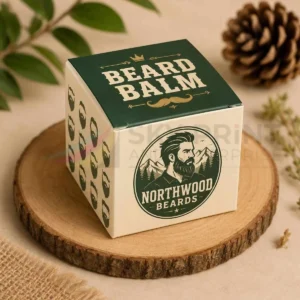
Custom Beard Balm Boxes UK | Printed & Wholesale Packaging
Custom Beard Balm Boxes manufactured for UK grooming brands with premium printing, luxury finishes and eco-friendly materials. Designed to fit beard balm tins and jars perfectly, our wholesale packaging protects your products while enhancing shelf appeal, brand recognition and the overall customer experience.

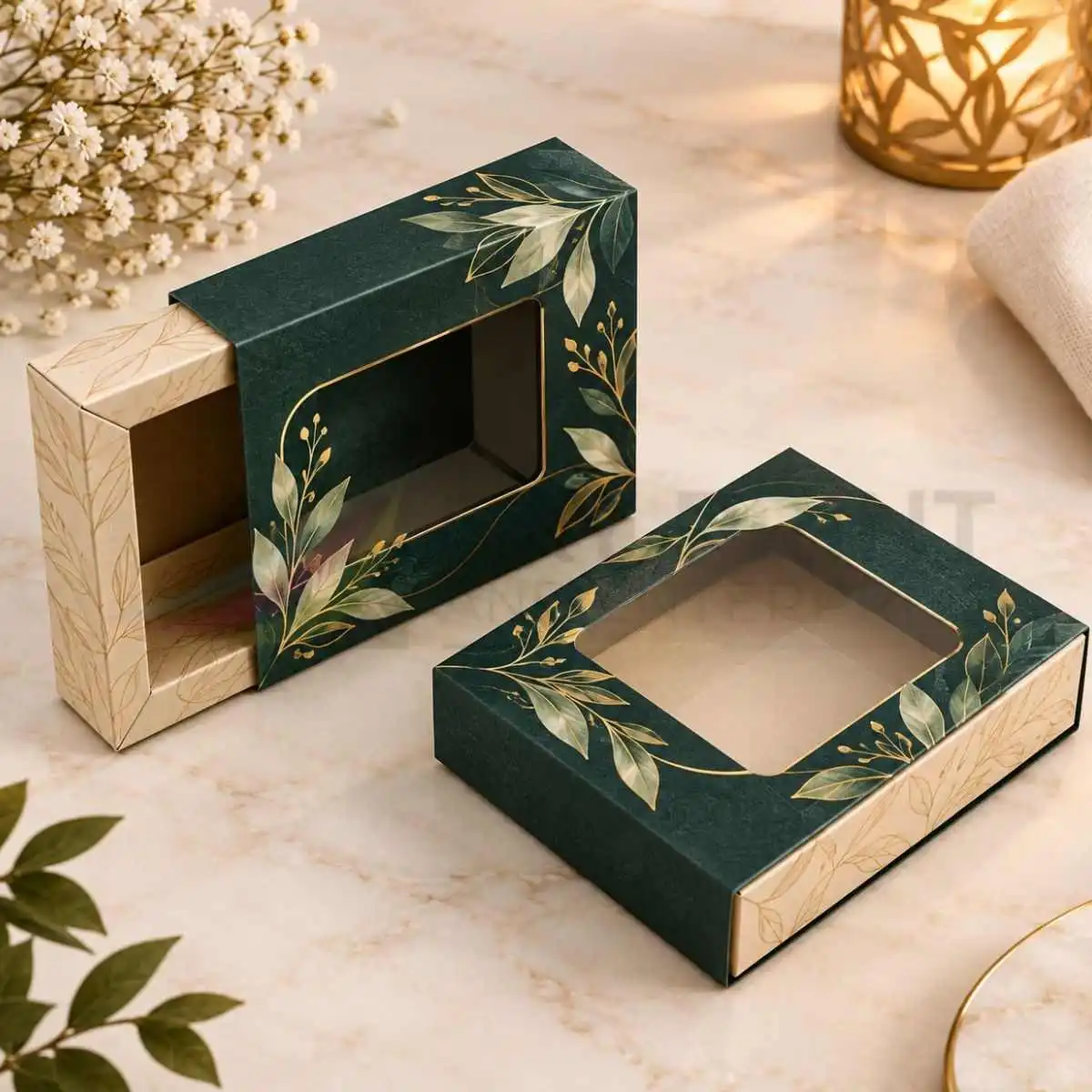
Rigid Die Cut Box
Rigid Die Cut Box: Custom Premium Packaging for US Brands A rigid die cut box protects your product, frames your
Die Cut Mailer Box Guide
Die Cut Mailer Box: Custom Die Cut Mailer Boxes for Strong UK Shipping A die cut mailer box gives your
Packaging Inserts
Packaging Inserts: Custom Box Inserts and Printed Boxes for UK Brands A great box is only half of the story.