
This Packaging Design Guide explains how to create custom packaging that protects products, strengthens branding and improves customer experience. Whether you are designing retail, food or cosmetic packaging, this Packaging Design Guide covers the essential materials, structures, printing methods and finishing techniques required for successful packaging projects.
COMPLETE PROFESSIONAL GUIDE
Packaging Design Guide: The Complete Guide to Designing Custom Packaging
Discover how professional packaging design transforms ordinary products into memorable brands. This comprehensive Packaging Design Guide explains every stage of the packaging design process, from research and structural planning to artwork preparation, premium finishes and production. Whether you are launching a new product, refreshing your branding or searching for reliable custom packaging solutions, this guide will help you make informed decisions with confidence.
What Is a Packaging Design Guide?
A Packaging Design Guide is a comprehensive resource that explains how to create packaging that protects products, strengthens brand identity and improves customer experience. However, successful packaging design involves much more than choosing attractive colours or adding a logo. Instead, it combines strategic planning, structural engineering, material selection, branding, print production and manufacturing knowledge into one carefully managed process.
Furthermore, businesses that invest in professional packaging design often achieve stronger brand recognition, better product presentation and greater customer confidence. Consequently, effective packaging becomes an important marketing tool that communicates quality before customers even open the box. At the same time, well-designed packaging improves transportation efficiency, reduces product damage and supports long-term business growth.
This Packaging Design Guide has been created for manufacturers, retailers, start-ups, e-commerce businesses, marketing professionals and entrepreneurs who want to understand how professional packaging is developed from concept to production. Moreover, every chapter combines practical advice with industry best practices, making this guide suitable for both beginners and experienced professionals.
Throughout this guide, you will explore packaging design principles, structural box styles, packaging materials, artwork preparation, luxury finishes, sustainable design strategies and production considerations. In addition, you will discover practical recommendations that help you avoid expensive mistakes while creating packaging that reflects your brand and supports your commercial objectives.
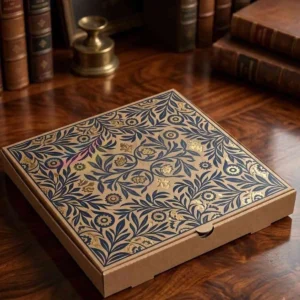
bespoke Corrugated Card Box
Why Read This Packaging Design Guide?
Rather than relying on scattered information from multiple websites, this guide brings together every essential aspect of custom packaging design in one place. As a result, you can confidently plan your next packaging project while understanding how each design decision affects appearance, functionality, production costs and customer satisfaction.
📖 Inside This Packaging Design Guide
Explore each chapter to build a complete understanding of professional packaging design, structural development and commercial printing.
Start Your Packaging Project with Confidence
Whether you are designing retail packaging, luxury presentation boxes, shipping cartons or branded product packaging, understanding the fundamentals will help you achieve better results. Therefore, before selecting materials or preparing artwork, take time to understand the complete design process outlined in this Packaging Design Guide.
If you need bespoke packaging for your products, you can also explore our
Printing & Packaging Knowledge Hub
for additional expert resources, or browse our custom packaging solutions to find the right option for your business.
Packaging Design Guide: Packaging Design Fundamentals
Every successful product begins with thoughtful planning. Likewise, every successful package starts with a strong understanding of packaging design fundamentals. While attractive graphics certainly capture attention, professional packaging design goes far beyond visual appearance. Instead, it combines functionality, branding, structural engineering, marketing and user experience into one complete solution. Therefore, businesses that understand these principles usually develop packaging that protects products, communicates value and encourages customers to buy with confidence.
This section of our Packaging Design Guide explains the essential principles that professional designers and manufacturers follow when creating custom packaging. Furthermore, these fundamentals apply to almost every industry, including retail, cosmetics, food, electronics, apparel, jewellery, pharmaceuticals and luxury products. Consequently, mastering these principles will help you make better design decisions regardless of your product category.
Packaging Design Guide: What Is Packaging Design?
Packaging design is the process of planning, creating and producing packaging that protects a product while representing the identity of a brand. However, modern packaging must achieve far more than simply holding a product. Today, businesses expect packaging to communicate quality, attract customers, support logistics, improve sustainability and deliver a memorable unboxing experience.
Professional packaging design combines structural design with visual communication. Structural design determines how the package is constructed, while graphic design focuses on colours, typography, imagery, branding and product information. Together, these elements create packaging that is practical, attractive and commercially successful.
Moreover, successful packaging design always starts with the customer. Designers carefully consider how customers discover, handle, transport, open and dispose of the packaging. As a result, every design decision contributes to a better overall experience while strengthening trust in the brand.
Packaging Design Guide: The Main Objectives of Packaging Design
Every packaging project should achieve several important objectives simultaneously. Although each product has unique requirements, the following goals remain consistent across most industries.
| Objective | Why It Matters |
|---|---|
| Product Protection | Protects products from damage, moisture, dust and handling throughout transportation and storage. |
| Brand Recognition | Builds trust and helps customers recognise your products instantly. |
| Sales & Marketing | Encourages purchasing decisions by creating a strong visual impression. |
| User Experience | Makes products easier to open, carry, use and store. |
| Cost Efficiency | Optimises materials and production while reducing waste. |
| Sustainability | Supports recyclable materials and responsible packaging practices. |
Therefore, effective packaging design balances aesthetics with practicality. Instead of focusing only on appearance, businesses should consider how packaging performs throughout its entire lifecycle.
Packaging Design Guide: Functional Design vs Visual Design
Many businesses concentrate primarily on artwork and branding. Nevertheless, functional design is equally important because attractive packaging has little value if it fails to protect the product. Consequently, successful packaging combines structural performance with visual appeal.
| Functional Design | Visual Design |
|---|---|
| • Product protection • Structural strength • Efficient storage • Easy assembly • Secure transportation | • Brand colours • Typography • Product imagery • Luxury finishes • Customer appeal |
The most successful packaging integrates both elements from the beginning of the design process. As a result, businesses achieve packaging that looks impressive while performing reliably in real-world conditions.
💡 Expert Insight
Professional packaging designers rarely begin with colours or graphics. Instead, they first identify the product dimensions, weight, shipping requirements and customer expectations. Afterwards, they develop the structure, select suitable materials and only then finalise the visual design. Consequently, this structured approach reduces production problems while delivering better packaging performance.
✅ Packaging Design Checklist
- Understand your target audience before designing.
- Define your brand identity clearly.
- Select a packaging structure that suits the product.
- Choose appropriate materials for protection and presentation.
- Ensure artwork supports the overall branding.
- Consider sustainability during the design stage.
- Test prototypes before approving production.
- Review every detail before final artwork approval.
Above all, remember that outstanding packaging design combines creativity with technical knowledge. Therefore, every decision should improve both the appearance and functionality of the finished package.
Packaging Design Guide: The Complete Packaging Design Process
Every successful packaging project follows a structured development process rather than relying on creativity alone. Although an attractive appearance plays an important role, professional packaging design begins with research, planning and technical evaluation. Therefore, businesses that follow a clear workflow usually avoid costly revisions, production delays and unnecessary material waste.
This section of our Packaging Design Guide explains each stage of the packaging design process, from the initial idea through to production approval. Furthermore, understanding this workflow allows businesses to communicate more effectively with designers and manufacturers while ensuring every design decision supports both commercial and practical objectives.
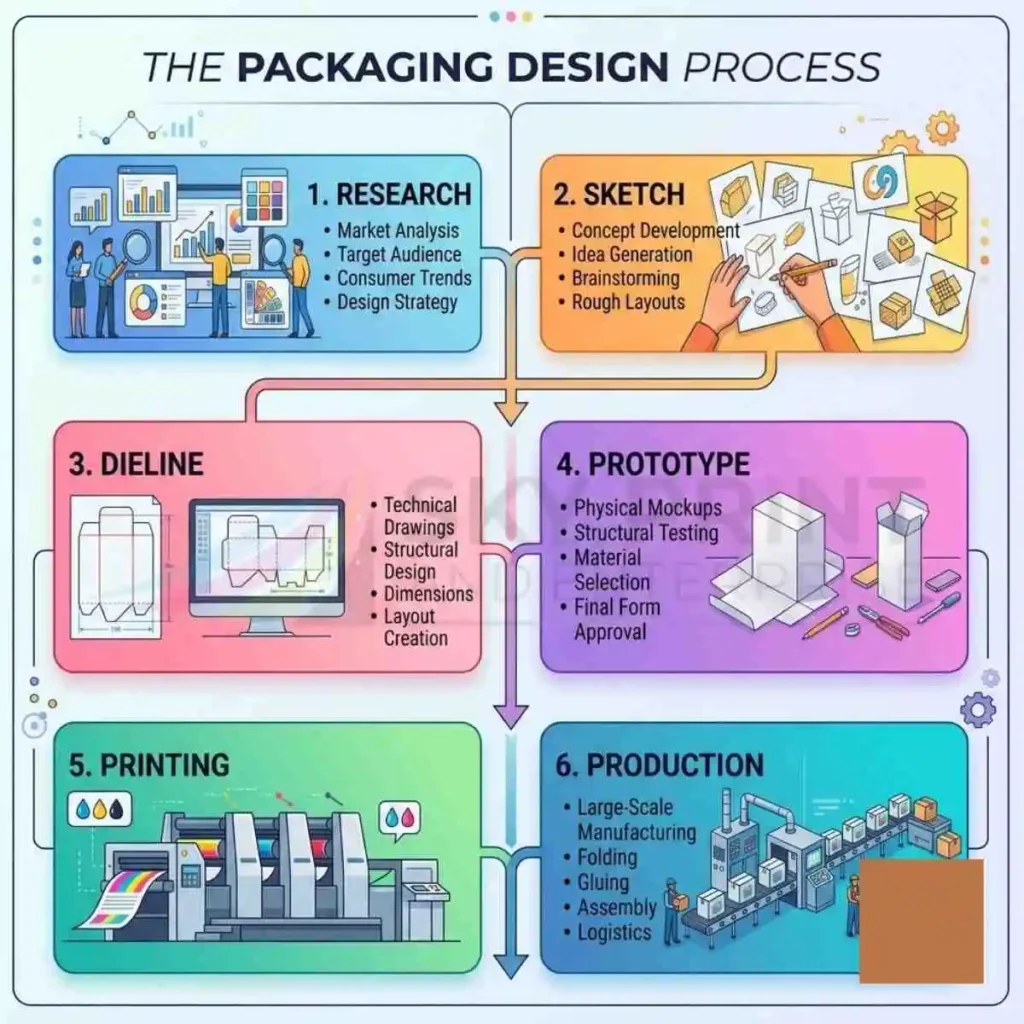
A step-by-step overview of the custom packaging design process, from concept and artwork to prototyping, approval and manufacturing.
Packaging Design Guide: Step 1 – Understand Your Product
Every packaging project starts with the product itself. Before selecting materials or creating artwork, designers need to understand exactly what the packaging must protect. Consequently, they evaluate the product’s size, weight, fragility, shape and storage requirements before developing any concepts.
For example, cosmetic packaging requires a completely different approach from food packaging or electronic products. Likewise, luxury presentation boxes demand premium structural solutions, while e-commerce packaging must prioritise shipping performance and durability.
During this stage, designers normally collect information such as:
- Product dimensions
- Product weight
- Storage conditions
- Transportation method
- Retail display requirements
- Legal labelling requirements
- Target customer expectations
Packaging Design Guide: Step 2 – Research Your Market and Competitors
Research forms the foundation of successful packaging design. Therefore, professional designers always analyse competing products before developing new concepts. Instead of copying competitors, they identify opportunities to make a product more distinctive while maintaining industry expectations.
Competitor analysis helps businesses understand which colours, finishes, box styles and materials dominate the market. Moreover, it reveals opportunities to create stronger shelf impact through better branding or more innovative structural designs.
| Research Area | Purpose |
|---|---|
| Competitor Packaging | Identify strengths, weaknesses and market trends. |
| Customer Expectations | Understand what buyers expect from the product. |
| Retail Environment | Evaluate shelf visibility and product positioning. |
| Industry Standards | Meet legal, safety and technical requirements. |
Packaging Design Guide: Step 3 – Define Your Target Audience
Great packaging speaks directly to its intended audience. Consequently, businesses should define their ideal customer before making design decisions. Age, lifestyle, purchasing behaviour and price expectations all influence the appearance and functionality of the finished packaging.
For example, luxury skincare packaging often uses minimalist graphics, premium rigid boxes and metallic foil finishes. In contrast, children’s products generally feature brighter colours, playful illustrations and durable structures designed for frequent handling.
Furthermore, businesses selling online may prioritise shipping protection and unboxing experiences, whereas retail brands often focus on shelf visibility and instant brand recognition.
Packaging Design Guide: Step 4 – Create a Clear Design Brief
Once research is complete, the next stage involves preparing a detailed packaging design brief. This document provides clear direction for designers, manufacturers and stakeholders, ensuring everyone works towards the same objectives.
An effective design brief normally includes:
- Brand guidelines and logo files.
- Product specifications.
- Preferred box style.
- Required packaging dimensions.
- Material preferences.
- Printing requirements.
- Luxury finishes.
- Budget and production quantities.
- Delivery deadlines.
Moreover, a comprehensive brief reduces misunderstandings, speeds up the approval process and minimises unnecessary revisions later in the project.
💡 Expert Insight
Many businesses start designing packaging before defining their objectives. However, experienced manufacturers recommend completing product research, customer analysis and structural planning first. As a result, designers can produce packaging that looks attractive, performs reliably and remains commercially viable throughout production.
Continue Building Your Packaging Design Knowledge
Research and planning create the foundation for every successful packaging project. Nevertheless, selecting the right packaging structure is equally important because the box style directly affects product protection, presentation and production costs.
In the next section of this Packaging Design Guide, we’ll explore the most popular packaging structures, compare their advantages and explain how to choose the right box style for your products.
For additional industry insights, visit our
Printing & Packaging Knowledge Hub,
where you’ll find expert resources covering packaging materials, printing methods, sustainability and commercial packaging solutions.
Packaging Design Guide: Packaging Structures & Box Styles
Choosing the right packaging structure is one of the most important decisions in any packaging project. While attractive artwork encourages customers to pick up a product, the box structure determines how well the packaging protects the contents, supports transportation, improves storage efficiency and creates a memorable unboxing experience. Therefore, successful packaging design always begins by selecting a box style that matches both the product and the expectations of the target audience.
Every packaging style offers different advantages. For example, lightweight folding cartons provide an economical solution for retail products, whereas rigid boxes create a premium appearance for luxury goods. Likewise, corrugated packaging delivers outstanding protection during shipping, while window boxes allow customers to view the product before purchasing. Consequently, understanding these differences helps businesses choose packaging that balances presentation, performance and production costs.
This section of our Packaging Design Guide introduces the most popular packaging structures used across the UK and international markets. Furthermore, you’ll discover where each style performs best, the industries that commonly use it and the benefits each option provides.
Packaging Design Guide: Folding Cartons
Folding cartons remain one of the most widely used packaging solutions because they combine affordability, flexibility and excellent print quality. Manufacturers produce these cartons from paperboard, allowing businesses to create lightweight yet attractive packaging for retail products. Moreover, folding cartons are easy to transport, store and assemble, making them suitable for both small businesses and large production runs.
Packaging designers can customise folding cartons in many different styles, including straight tuck end, reverse tuck end, crash lock bottom and auto-lock bottom designs. Consequently, they can adapt the packaging to suit products ranging from cosmetics and pharmaceuticals to food, electronics and consumer goods.
Furthermore, folding cartons provide a large printable surface, giving businesses plenty of space for branding, product information and promotional messaging. As a result, they remain one of the most versatile packaging options available.
Best suited for:
- Retail packaging
- Cosmetic products
- Food packaging
- Healthcare products
- Consumer electronics
Explore our range of
Custom Tuck Boxes
and
Custom Printed Cardboard Boxes
to see how folding cartons can support your products.
Packaging Design Guide: Rigid Boxes
Rigid boxes represent the premium end of custom packaging. Unlike folding cartons, rigid boxes use thick paperboard that maintains its shape without folding flat. Therefore, they provide exceptional strength, durability and luxury presentation. High-end brands frequently select rigid boxes because they immediately communicate quality and enhance the customer’s perception of the product.
Luxury watches, jewellery, cosmetics, corporate gifts and premium electronics often use rigid packaging because it creates an impressive unboxing experience. Moreover, rigid boxes support luxury finishes such as foil stamping, embossing, debossing, soft-touch lamination and magnetic closures, allowing businesses to strengthen their brand image.
Although rigid boxes generally cost more than folding cartons, they deliver outstanding value for premium products where presentation influences purchasing decisions. Consequently, many luxury brands consider rigid packaging an investment rather than an expense.
Popular rigid box styles include:
- Magnetic closure boxes
- Lift-off lid boxes
- Drawer (slide) boxes
- Book-style presentation boxes
- Shoulder neck boxes
Learn more about our
Custom Rigid Boxes
and
Luxury Gift Boxes
designed for premium brands.
Packaging Design Guide: Corrugated Boxes
Corrugated packaging offers superior strength and protection for products that require safe transportation or long-term storage. Instead of using a single paperboard layer, corrugated board combines fluted paper between liner boards, creating a lightweight yet exceptionally strong structure. Therefore, businesses frequently use corrugated boxes for shipping, subscription packaging, industrial products and e-commerce deliveries.
Furthermore, modern corrugated packaging no longer focuses solely on protection. Advances in printing technology allow manufacturers to produce high-quality graphics, vibrant colours and premium branding directly onto corrugated materials. Consequently, businesses can create shipping boxes that reinforce brand identity while protecting products throughout the supply chain.
Corrugated packaging also supports sustainable packaging initiatives because many corrugated materials contain recycled fibres and remain widely recyclable after use.
Discover our
Custom Corrugated Boxes
or explore our
Custom Mailer Boxes Guide
to learn more.
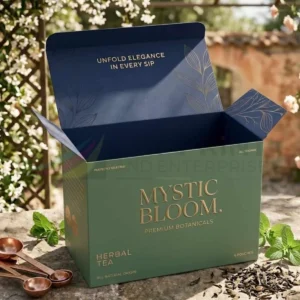
cardboard box Wholesale
Packaging Design Guide: Quick Comparison of Popular Box Styles
| Box Style | Best For | Strength | Luxury Level |
|---|---|---|---|
| Folding Cartons | Retail products | ★★★★☆ | ★★★☆☆ |
| Rigid Boxes | Luxury products | ★★★★★ | ★★★★★ |
| Corrugated Boxes | Shipping & e-commerce | ★★★★★ | ★★☆☆☆ |
Packaging Design Guide: Window Boxes
Window boxes combine product protection with excellent retail presentation. Unlike fully enclosed packaging, these boxes feature a transparent window made from PET or biodegradable film, allowing customers to view the product before purchasing. Consequently, window packaging builds trust because buyers can inspect the product without opening the box.
Furthermore, window boxes are particularly effective for food products, cosmetics, confectionery, candles, toys and gift packaging. They enhance shelf appeal while still providing sufficient space for branding, product information and promotional graphics. Therefore, many retailers prefer window packaging when visual presentation directly influences purchasing decisions.
Designers should also consider the size and position of the window carefully. A well-placed window highlights the product without reducing the structural strength of the box. Likewise, choosing recyclable window materials supports sustainability goals while maintaining an attractive appearance.
Ideal for:
Explore our
Custom Window Boxes
to create attractive retail packaging that showcases your products.
Packaging Design Guide: Sleeve Boxes
Sleeve boxes consist of an inner tray that slides into an outer printed sleeve, creating a clean and premium presentation. Although the structure is relatively simple, sleeve packaging offers excellent branding opportunities because the outer sleeve provides a large printable surface.
Moreover, sleeve boxes work particularly well for cosmetics, electronics, promotional products and luxury retail items. Many businesses also combine sleeve packaging with rigid trays to create a sophisticated unboxing experience without significantly increasing production complexity.
Additionally, designers often enhance sleeve packaging with foil stamping, embossing or soft-touch lamination to reinforce a premium brand image. As a result, sleeve boxes remain a popular choice for businesses seeking elegant yet practical packaging.
Packaging Design Guide: Mailer Boxes
Mailer boxes have become one of the fastest-growing packaging styles because of the continued growth of e-commerce and subscription services. Unlike standard shipping cartons, mailer boxes combine product protection with strong branding, allowing businesses to create memorable customer experiences from the moment a parcel arrives.
Furthermore, mailer boxes usually feature a self-locking design that eliminates the need for additional assembly. Consequently, they improve packing efficiency while maintaining excellent structural strength throughout transportation.
Many businesses also print both the inside and outside of mailer boxes. Therefore, customers enjoy a premium unboxing experience that encourages social sharing and strengthens brand loyalty. In addition, custom inserts help secure products during transit while enhancing presentation.
Common applications:
- Subscription boxes
- E-commerce deliveries
- Corporate gift packs
- Marketing kits
- Product launch boxes
Learn more about our
Custom Mailer Boxes
designed for retail and e-commerce businesses.
💡 Expert Recommendation
Choose your packaging structure according to the product’s purpose rather than appearance alone. For example, folding cartons suit lightweight retail products, while rigid boxes create a premium presentation for luxury goods. Likewise, corrugated packaging provides superior protection during transportation, whereas mailer boxes combine excellent protection with an outstanding unboxing experience. Above all, select a structure that protects the product, supports your branding and remains cost-effective for long-term production.
⚠ Common Packaging Structure Mistakes
- Choosing an attractive box style without considering product protection.
- Ignoring shipping and storage requirements during the design stage.
- Selecting oversized packaging that increases material and courier costs.
- Forgetting to design inserts for fragile or premium products.
- Using luxury packaging for products that require economical retail solutions.
- Approving structural designs before creating a physical prototype.
- Overlooking customer convenience when opening or reusing the packaging.
Fortunately, careful planning during the early stages of the packaging design process helps businesses avoid these common issues while improving both customer satisfaction and production efficiency.
✅ Choosing the Right Packaging Structure
Before approving your packaging design, ask yourself the following questions:
- Does the structure adequately protect the product?
- Does the packaging reflect your brand positioning?
- Is the chosen material suitable for transportation?
- Can the packaging be manufactured efficiently?
- Will customers find it easy to open and use?
- Does the structure support sustainable packaging goals?
- Can premium finishes enhance the final presentation?
In the next section of this Packaging Design Guide, we’ll explore packaging materials in greater detail, helping you understand the advantages of cardboard, kraft, corrugated board, rigid board and other specialist materials used in professional packaging manufacturing.
For additional guidance, visit our
Printing & Packaging Knowledge Hub
or browse our packaging solutions, including
Rigid Boxes,
Corrugated Boxes,
Window Boxes
and
Tuck Boxes.
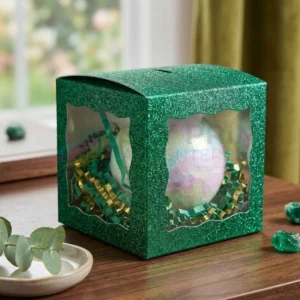
custom glitter box
Packaging Design Guide: Choosing the Right Packaging Materials
Selecting the right material is one of the most important decisions in any packaging project. Although structural design determines how a package functions, the material directly influences strength, appearance, print quality, durability, sustainability and production costs. Therefore, businesses should choose packaging materials according to the product’s requirements instead of selecting the least expensive option.
This section of our Packaging Design Guide explains the most common materials used in custom packaging, their advantages and the products they suit best. Furthermore, understanding these materials helps businesses create packaging that protects products, enhances branding and delivers excellent value throughout the supply chain.
Professional packaging manufacturers often recommend different materials depending on the product’s weight, intended use and distribution method. Consequently, luxury gift packaging, food boxes, e-commerce mailers and retail cartons rarely use the same board grade or construction. Making the right decision at this stage improves product protection while reducing unnecessary manufacturing costs.
Packaging Design Guide: Cardboard Packaging
Cardboard remains one of the most versatile materials used in commercial packaging. It combines excellent print quality with reliable strength, making it suitable for retail packaging, cosmetics, healthcare products, electronics, gifts and promotional packaging. Moreover, cardboard packaging material supports a wide range of finishing options, including matt lamination, gloss lamination, foil stamping, embossing and Spot UV.
Because cardboard is lightweight and easy to convert into different box styles, manufacturers frequently use it for folding cartons, tuck boxes and presentation packaging. Additionally, many cardboard grades are recyclable, helping businesses reduce their environmental impact without compromising quality.
If you require high-quality retail packaging, explore our
Custom Printed Cardboard Boxes
for fully customised solutions.
Packaging Design Guide: Kraft Paper Packaging
Kraft paper has become increasingly popular because it combines natural aesthetics with strong environmental credentials. Unlike coated paperboards, kraft retains its characteristic brown appearance, creating an authentic and eco-friendly image that appeals to environmentally conscious consumers.
Furthermore, kraft packaging material provides excellent durability while supporting recyclable and biodegradable packaging solutions. Consequently, businesses producing organic foods, handmade products, cosmetics and sustainable retail packaging often choose kraft materials to reinforce their brand values.
Although natural brown kraft remains the most recognised option, manufacturers also produce white kraft and coated kraft materials for projects requiring brighter printing or additional moisture resistance.
Discover our range of
Custom Kraft Boxes
designed for environmentally responsible brands.
Packaging Design Guide: Corrugated Board
Corrugated board provides exceptional strength without adding excessive weight. Instead of using a single sheet of paperboard, manufacturers bond fluted paper between two liner boards to create a highly durable material suitable for transportation and storage.
Consequently, corrugated packaging protects products during shipping while reducing the risk of crushing or impact damage. Businesses selling online particularly benefit from corrugated materials because they provide reliable protection throughout the delivery process.
Modern printing technology also allows businesses to produce attractive graphics on corrugated packaging. Therefore, shipping cartons now play an important branding role rather than serving only as protective containers.
Learn more about our
Custom Corrugated Boxes
for shipping, retail and industrial applications.
Packaging Design Guide: Rigid Board
Rigid board is considerably thicker than standard paperboard and forms the foundation of luxury packaging. Because it maintains its shape without folding, rigid board material creates a premium appearance that immediately communicates quality and exclusivity.
Manufacturers typically wrap rigid board with printed or textured paper before adding decorative finishes. As a result, rigid packaging delivers an outstanding unboxing experience while providing excellent protection for valuable products.
Luxury brands frequently choose rigid board for cosmetics, jewellery, electronics, watches, premium beverages and corporate gifts because presentation significantly influences purchasing decisions within these markets.
Explore our premium
Rigid Boxes
to discover how luxury packaging can strengthen your brand.
Packaging Design Guide: Material Comparison
| Material | Print Quality | Strength | Best For |
|---|---|---|---|
| Cardboard | ★★★★★ | ★★★★☆ | Retail packaging |
| Kraft | ★★★★☆ | ★★★★☆ | Eco-friendly products |
| Corrugated Board | ★★★★☆ | ★★★★★ | Shipping & E-commerce |
| Rigid Board | ★★★★★ | ★★★★★ | Luxury packaging |
💡 Expert Material Selection Advice
Selecting the correct packaging material should always be your first technical decision after choosing the box style. Instead of focusing solely on appearance, evaluate product weight, shipping conditions, storage requirements, sustainability goals and budget together. Consequently, you’ll create packaging that protects your products, enhances your brand and delivers long-term value.
If you’d like to explore packaging materials in greater depth, visit our
Retail Packaging Materials Guide
or return to our
Printing & Packaging Knowledge Hub
for more expert resources.
If you would like to compare different packaging substrates in more detail, explore our specialist guides on Cardboard Packaging Material UK, Kraft Packaging Material UK, Corrugated Cardboard Material UK and Rigid Box Material UK before selecting the most suitable material for your packaging project. These resources explain material properties, common applications and key considerations in greater detail.
Packaging Design Guide: Artwork, Typography & Colour Psychology
Professional packaging succeeds because it combines structural engineering with outstanding visual communication. Although a strong box protects the product, the artwork often determines whether customers notice the product, trust the brand and decide to purchase. Therefore, businesses should treat artwork as an essential part of packaging design rather than a final decoration added before printing.
This section of our Packaging Design Guide explains how typography, colour psychology, branding and visual hierarchy work together to create packaging that captures attention and communicates quality. Furthermore, understanding these principles helps businesses develop packaging that remains consistent across different product ranges while strengthening long-term brand recognition.
Successful packaging artwork should always balance creativity with clarity. Instead of filling every available space with graphics, professional designers organise information carefully so customers immediately recognise the brand, understand the product and identify the most important messages. Consequently, clean layouts often outperform cluttered designs because they improve readability and create a more premium appearance.
Packaging Design Guide: Why Artwork Matters
Artwork represents the personality of your brand. Before customers experience the quality of your product, they judge the packaging. Consequently, colours, typography, photography, illustrations and finishing effects all influence purchasing decisions within a matter of seconds.
Professional artwork achieves several important objectives simultaneously. First, it attracts attention in busy retail environments. Secondly, it communicates product information clearly. Moreover, it reinforces brand identity across every product line. Finally, it creates an emotional connection that encourages repeat purchases and strengthens customer loyalty.
Well-designed packaging artwork also improves customer confidence. Consistent branding, organised layouts and professional print quality demonstrate attention to detail, while poor artwork often creates doubts about product quality. Therefore, investing in professional design benefits both marketing performance and long-term brand reputation.
Professional artwork should always:
- Capture attention quickly.
- Communicate product information clearly.
- Reflect your brand identity consistently.
- Support high-quality printing.
- Create a memorable customer experience.
Packaging Design Guide: Typography in Packaging Design
Typography influences how customers read, understand and remember your packaging. Therefore, selecting suitable fonts is just as important as choosing colours or graphics. Every typeface communicates a different personality, making typography an essential part of brand identity.
Luxury brands often use elegant serif fonts because they communicate heritage and sophistication. Meanwhile, technology companies generally prefer clean sans-serif fonts that reflect innovation and simplicity. Likewise, children’s packaging frequently uses playful display fonts to create excitement and appeal.
Professional designers also establish a clear font hierarchy. Headlines should attract attention immediately, subheadings should organise information logically and body text should remain easy to read under different lighting conditions. Furthermore, limiting typography to two or three complementary fonts creates consistency while preventing visual clutter.
| Typography Element | Best Practice |
|---|---|
| Headline | Large, bold and instantly recognisable. |
| Subheading | Organises content into clear sections. |
| Body Text | Simple, readable and well-spaced. |
| Font Pairing | Use no more than two or three complementary fonts. |
Packaging Design Guide: Colour Psychology
Colour is one of the first visual elements customers notice. Consequently, it influences emotions, purchasing decisions and brand recognition before a customer reads any text. Selecting appropriate colours therefore helps businesses communicate their values while appealing to their target audience.
However, colour selection should always support the brand rather than follow temporary design trends. Consistent use of colour across packaging, marketing materials and digital platforms strengthens recognition and creates a more professional appearance.
| Colour | Common Brand Message | Typical Industries |
|---|---|---|
| Blue | Trust, reliability and professionalism. | Technology, healthcare, finance. |
| Green | Nature, sustainability and health. | Organic food, cosmetics, eco-friendly products. |
| Black | Luxury, elegance and exclusivity. | Fashion, jewellery and premium packaging. |
| Gold | Prestige, celebration and premium quality. | Luxury gifts, cosmetics and beverages. |
| Red | Energy, excitement and urgency. | Food, promotions and seasonal packaging. |
| White | Cleanliness, simplicity and purity. | Healthcare, cosmetics and wellness. |
Moreover, professional designers often combine colour psychology with premium finishes such as foil stamping or Spot UV to create stronger visual contrast. As a result, packaging becomes more memorable while maintaining a consistent brand identity across multiple product ranges.
💡 Expert Design Tip
Successful packaging artwork is never accidental. Instead, every colour, font, image and layout decision should support your brand strategy and improve customer understanding. Therefore, begin every design project with your brand guidelines, define a clear visual hierarchy and maintain consistency across every packaging product. A disciplined design approach creates stronger brand recognition, improves print quality and helps customers remember your products long after the purchase.
Packaging Design Guide: Brand Identity & Logo Placement
Successful packaging immediately tells customers who manufactured the product. Therefore, every packaging design should reflect your brand identity consistently across every product range. Customers recognise brands through repeated exposure to familiar colours, typography, logos and graphic styles. Consequently, maintaining consistency strengthens trust and improves long-term brand recognition.
Your logo should remain clearly visible without overwhelming the overall design. Instead of making the logo excessively large, designers usually position it where customers naturally look first while maintaining a balanced layout. Furthermore, sufficient white space around the logo improves visibility and creates a cleaner, more premium appearance.
Brand identity also extends beyond logos. Colour palettes, icon styles, photography, illustration techniques and typography should remain consistent across cartons, labels, paper bags, presentation folders and marketing materials. As a result, customers quickly associate every product with your business regardless of the packaging format.
Brand Identity Checklist
- Use the same logo version across every product.
- Follow your official brand colour palette.
- Keep typography consistent throughout the range.
- Maintain equal spacing around the logo.
- Use consistent photography and illustration styles.
- Create a recognisable visual identity.
Packaging Design Guide: Product Photography & Graphic Elements
Professional graphics help customers understand the product before opening the package. However, every visual element should serve a purpose. Rather than filling empty space with unnecessary artwork, designers should use images, icons and illustrations to explain product features and strengthen brand communication.
High-resolution product photography creates confidence, especially for cosmetics, food packaging, electronics and luxury retail products. Likewise, carefully designed icons quickly communicate recycling information, product benefits, certifications and usage instructions without overwhelming the layout.
Above all, image quality should remain exceptionally high. Low-resolution photographs reduce print quality and damage the perceived value of the product. Therefore, always prepare images at professional print resolution before approving production.
Packaging Design Guide: CMYK vs Pantone Colours
Colour accuracy plays an essential role in professional packaging printing. Consequently, designers must understand the difference between CMYK process printing and Pantone spot colours before preparing artwork.
CMYK printing combines cyan, magenta, yellow and black inks to reproduce thousands of colours. Therefore, it provides an economical solution for full-colour photography and general commercial printing. In contrast, Pantone colours use pre-mixed inks that produce highly consistent brand colours across different print runs.
| CMYK Printing | Pantone Printing |
|---|---|
| • Full-colour images • Cost-effective • Ideal for most packaging • Large colour range | • Exact brand colours • Excellent consistency • Premium appearance • Suitable for corporate branding |
Many premium packaging projects combine both printing methods. For example, businesses often print photographs using CMYK while adding metallic gold or specialist Pantone colours for logos and decorative elements.
Packaging Design Guide: Barcode & QR Code Placement
Barcodes and QR codes form an important part of modern packaging. Nevertheless, they only perform correctly when designers position them carefully. Poor placement, insufficient contrast or incorrect sizing can prevent scanners from reading the code accurately.
Professional designers normally position barcodes on flat surfaces with sufficient white space around the code. Similarly, QR codes require adequate quiet zones so mobile devices can scan them quickly.
Before approving artwork, businesses should always test every barcode and QR code. Consequently, they avoid production delays and prevent problems once products reach retailers or distribution centres.
Best Practice
- Leave adequate white space around every barcode.
- Print black codes on a light background whenever possible.
- Avoid placing codes across folds or glued areas.
- Test all codes before production.
- Ensure QR codes link to active pages.
Packaging Design Guide: Print-Ready Artwork Checklist
Preparing artwork correctly reduces production delays and prevents expensive printing errors. Therefore, every project should pass a final technical review before sending files to the manufacturer.
- Artwork prepared in CMYK colour mode.
- Images supplied at 300 DPI.
- Bleed added to every edge.
- Safe area maintained around important content.
- Fonts outlined or embedded.
- Linked images included.
- Dieline positioned correctly.
- Barcodes tested successfully.
- QR codes verified.
- Final PDF exported using print-ready settings.
⚠ Common Artwork Mistakes
- Using RGB artwork instead of CMYK.
- Supplying low-resolution images.
- Ignoring bleed and safe areas.
- Using too many different fonts.
- Poor colour contrast affecting readability.
- Placing important text near folds or glue flaps.
- Submitting artwork without checking spelling.
- Approving files without a printed proof.
Fortunately, a thorough artwork review before production helps eliminate these issues while improving print quality and reducing manufacturing delays.
Create Print-Ready Packaging with Confidence
Professional packaging combines excellent structural design with accurate print-ready artwork. Therefore, investing time in typography, colour management, photography and file preparation helps achieve consistent, high-quality results while reducing production problems.
If you need support with artwork preparation or commercial printing, explore our
Commercial Printing Services.
You can also visit our
Printing & Packaging Knowledge Hub
for more expert resources covering packaging, printing and custom manufacturing.
In the next section of this Packaging Design Guide, we’ll explore premium finishing techniques such as foil stamping, embossing, debossing, Spot UV, soft-touch lamination and specialty coatings that transform standard packaging into luxury packaging.
Packaging Design Guide: Luxury Packaging Finishes
Luxury packaging is no longer reserved for premium brands alone. Today, businesses of every size use specialist finishing techniques to create memorable customer experiences, strengthen brand identity and increase the perceived value of their products. Therefore, selecting the right finish has become an essential part of professional packaging design rather than an optional upgrade.
This section of our Packaging Design Guide introduces the most popular luxury finishes used in custom packaging. Furthermore, you’ll learn how each finish enhances appearance, when to use it and how different finishes influence production costs, durability and customer perception.
Professional packaging designers rarely select finishes based only on appearance. Instead, they consider the product, target audience, brand positioning and intended customer experience before recommending the most suitable finishing combination. Consequently, luxury finishes work best when they support the overall packaging design rather than overpower it.
Packaging Design Guide: Why Luxury Finishes Matter
Customers often judge product quality before opening the package. Consequently, premium finishes help businesses create a strong first impression while increasing confidence in the brand. Even subtle finishing techniques can transform ordinary packaging into something customers remember and share with others.
Luxury finishes also improve brand differentiation. While many competing products may use similar packaging structures, premium finishing techniques create distinctive visual and tactile experiences that immediately stand out on retail shelves. Furthermore, they encourage customers to associate the product with quality, craftsmanship and attention to detail.
Luxury finishes can help you:
- Create stronger shelf presence.
- Increase perceived product value.
- Improve customer engagement.
- Strengthen premium brand positioning.
- Deliver an impressive unboxing experience.
- Differentiate your products from competitors.
Packaging Design Guide: Foil Stamping
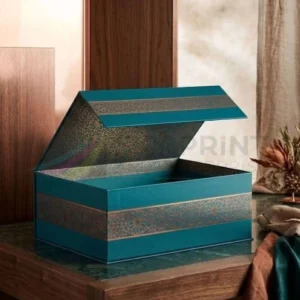
Foil stamping remains one of the most recognisable luxury finishing techniques in modern packaging. Instead of printing metallic colours with standard inks, manufacturers apply metallic foil using heat and pressure. As a result, logos, text and decorative elements achieve a brilliant reflective finish that immediately attracts attention.
Gold and silver remain the most popular choices, although manufacturers also offer rose gold, copper, holographic and coloured foils to suit different branding requirements. Moreover, foil stamping works exceptionally well on rigid boxes, presentation packaging, cosmetics, jewellery boxes and premium gift packaging.
Professional designers generally apply foil selectively rather than across large areas. Consequently, important branding elements receive greater emphasis while maintaining an elegant and balanced appearance.
Explore our
Custom Rigid Boxes
and
Luxury Gift Boxes
to see how foil stamping enhances premium packaging.
best rigid boxes
Packaging Design Guide: Embossing
Embossing creates raised artwork by pressing selected design elements above the surface of the packaging material. Therefore, customers can both see and feel the finished effect, creating a richer sensory experience. Luxury brands frequently emboss logos, brand names and decorative patterns because the raised texture communicates craftsmanship and exclusivity.
Furthermore, embossing works exceptionally well alongside foil stamping. Combining both finishes creates striking visual contrast while reinforcing the premium nature of the packaging. Consequently, many cosmetic, fragrance and luxury retail brands choose this combination for high-end product launches.
Embossing works particularly well for:
- Luxury cosmetics.
- Premium gift packaging.
- Jewellery boxes.
- Corporate presentation boxes.
- High-end retail products.
Packaging Design Guide: Debossing
Debossing creates the opposite effect of embossing by pressing artwork into the surface of the packaging. Rather than raising the design, this process forms a recessed impression that delivers a subtle yet sophisticated appearance. Therefore, minimalist brands often choose debossing because it communicates elegance without overwhelming the overall design.
Debossed logos remain highly effective on textured papers and soft-touch laminated packaging because customers immediately notice the tactile finish when handling the product. Likewise, combining debossing with metallic foil produces outstanding premium packaging that balances visual impact with understated sophistication.
Although embossing and debossing achieve different visual effects, both techniques enhance perceived product quality while creating memorable customer experiences.
Packaging Design Guide: Premium Finish Comparison
| Finish | Visual Impact | Touch Effect | Best Applications |
|---|---|---|---|
| Foil Stamping | ★★★★★ | ★★☆☆☆ | Luxury branding & logos |
| Embossing | ★★★★☆ | ★★★★★ | Premium branding |
| Debossing | ★★★★☆ | ★★★★★ | Minimalist luxury packaging |
💡 Expert Recommendation
Luxury finishes deliver the best results when they complement the packaging rather than dominate it. Therefore, select one or two premium finishing techniques that reinforce your brand identity and product positioning. Combining high-quality materials with carefully chosen finishes creates packaging that feels premium, photographs beautifully and leaves a lasting impression on customers.
Packaging Design Guide: Spot UV Coating
Spot UV is one of the most effective finishing techniques for creating contrast and drawing attention to important design elements. Instead of applying a gloss coating across the entire package, manufacturers apply a high-gloss ultraviolet coating only to selected areas. Consequently, logos, product names and graphic elements stand out while the surrounding surface remains matt or satin.
Designers frequently combine Spot UV with matt lamination because the contrast between the glossy and matt surfaces creates a sophisticated luxury appearance. Furthermore, Spot UV enhances customer interaction by encouraging people to touch the packaging, making the product feel more premium.
This finish performs particularly well on cosmetic packaging, electronics packaging, luxury retail boxes and corporate presentation packaging where branding plays a significant role.
Packaging Design Guide: Soft-Touch Lamination
Soft-touch lamination creates an exceptionally smooth, velvet-like surface that immediately communicates luxury. Unlike standard lamination, this finish delivers a soft tactile sensation that customers notice as soon as they handle the package. Therefore, premium brands frequently use soft-touch finishes to strengthen perceived product quality.
In addition to improving appearance, soft-touch lamination also protects printed surfaces against scratches, fingerprints and minor wear. Consequently, it helps premium packaging maintain its appearance throughout transportation, retail display and customer use.
Many luxury brands combine soft-touch lamination with foil stamping or embossing to create packaging that looks elegant while providing an unforgettable unboxing experience.
Packaging Design Guide: Matt vs Gloss Lamination
Lamination protects printed packaging while improving durability and visual appeal. However, choosing between matt and gloss lamination depends on the desired brand image rather than personal preference alone.
| Matt Lamination | Gloss Lamination |
|---|---|
| • Elegant appearance • Soft reflections • Premium feel • Excellent with Spot UV | • Vibrant colours • High shine • Strong visual impact • Ideal for colourful retail packaging |
Luxury cosmetics, premium gifts and corporate packaging generally favour matt finishes, whereas food packaging, toys and promotional products often benefit from the brighter appearance of gloss lamination.
Packaging Design Guide: Metallic Inks & Textured Papers
Metallic inks provide an elegant alternative to foil stamping when projects require subtle metallic effects. Although metallic inks produce less reflection than foil, they offer greater flexibility for large printed areas and complex artwork.
Textured papers also enhance premium packaging by introducing a tactile surface that customers immediately recognise as high quality. Linen, laid, felt and embossed papers create distinctive finishes that complement luxury branding without requiring additional decoration.
Combining premium papers with carefully selected finishes often produces better results than relying on multiple decorative processes. Therefore, professional designers normally choose quality materials first before selecting specialist finishes.
Packaging Design Guide: Choosing the Right Finish
| Finish | Best For | Luxury Level |
|---|---|---|
| Foil Stamping | Premium logos | ★★★★★ |
| Spot UV | Highlight graphics | ★★★★☆ |
| Soft-Touch Lamination | Luxury retail packaging | ★★★★★ |
| Embossing | Premium branding | ★★★★★ |
| Gloss Lamination | Retail packaging | ★★★☆☆ |
⚠ Common Finishing Mistakes
- Applying too many finishing techniques on one package.
- Using foil on very small text that becomes difficult to read.
- Choosing finishes before selecting the packaging material.
- Ignoring the target audience and product positioning.
- Overlooking production costs during specification.
- Using premium finishes where simpler branding would be more effective.
- Skipping prototype approval before full production.
Instead, choose finishes that enhance the packaging design, support your branding and deliver genuine value to your customers.
Professional Luxury Finish Checklist
- Choose finishes that match your brand positioning.
- Consider customer touchpoints during the unboxing experience.
- Select finishes compatible with your packaging material.
- Test foil, Spot UV and embossing on production samples.
- Maintain consistency across every product range.
- Balance appearance, durability and budget.
- Review prototypes before approving mass production.
Create Luxury Packaging That Leaves a Lasting Impression
Luxury finishes should reinforce your brand rather than overwhelm your packaging. Therefore, selecting the right combination of materials, printing techniques and specialist finishes helps create packaging that feels premium, protects the product and strengthens customer confidence.
Explore our
Custom Rigid Boxes,
Luxury Gift Boxes
and our
Printing & Packaging Knowledge Hub
to discover more premium packaging ideas and expert guidance.
In the next section of this Packaging Design Guide, we’ll explain sustainable packaging design, recyclable materials, environmental considerations and practical ways businesses can reduce their packaging impact without compromising quality or presentation.
Packaging Design Guide: Sustainable Packaging Design
Sustainability has become an essential consideration in modern packaging design. Today, businesses must create packaging that protects products while reducing environmental impact and meeting growing customer expectations. Therefore, sustainable packaging design focuses on selecting responsible materials, minimising waste and improving recyclability without compromising quality or brand presentation.
This section of our Packaging Design Guide explains how sustainable packaging supports business growth, strengthens brand reputation and helps companies prepare for future environmental requirements. Furthermore, you’ll discover practical ways to reduce material usage while maintaining attractive, functional and durable packaging.
Many organisations now recognise that sustainable packaging offers commercial as well as environmental benefits. Consequently, brands that invest in responsible packaging often improve customer loyalty, reduce material costs and strengthen their competitive position within the marketplace.
Packaging Design Guide: Why Sustainable Packaging Matters
Consumers increasingly expect brands to demonstrate environmental responsibility. Therefore, packaging often becomes the first visible sign of a company’s sustainability commitments. Well-designed sustainable packaging shows customers that a business considers both product quality and environmental impact.
In addition, sustainable packaging can reduce transportation costs by lowering overall package weight. Likewise, efficient structural design reduces unnecessary material consumption, allowing businesses to improve operational efficiency while lowering waste.
Rather than treating sustainability as a marketing trend, successful businesses integrate environmental thinking throughout the packaging design process. As a result, they create packaging that benefits customers, retailers and the environment simultaneously.
Key benefits of sustainable packaging include:
- Lower material consumption.
- Improved recyclability.
- Reduced transportation costs.
- Stronger brand reputation.
- Better customer perception.
- Support for long-term environmental goals.
Packaging Design Guide: Choosing Sustainable Packaging Materials
Selecting suitable materials is one of the most effective ways to improve packaging sustainability. However, choosing environmentally responsible materials should never reduce product protection or packaging performance. Instead, businesses should balance sustainability with durability, print quality and customer experience.
Paper-based packaging materials continue to offer excellent sustainable solutions because many grades are recyclable and produced from renewable resources. Likewise, responsibly sourced cardboard, kraft paper and corrugated board provide outstanding versatility for retail, food, e-commerce and luxury packaging applications.
Understanding material properties also helps businesses avoid unnecessary over-specification. Consequently, choosing the correct board grade often reduces both production costs and environmental impact.
For further information about recycling guidance and packaging sustainability, visit the
WRAP (Waste and Resources Action Programme.
Learn more about sustainable materials by exploring our specialist guides:
Packaging Design Guide: Sustainable Material Comparison
| Material | Recyclable | Strength | Typical Applications |
|---|---|---|---|
| Cardboard | ★★★★★ | ★★★★☆ | Retail packaging |
| Kraft Paper | ★★★★★ | ★★★★☆ | Eco-friendly packaging |
| Corrugated Board | ★★★★★ | ★★★★★ | Shipping & e-commerce |
| Rigid Board | ★★★★☆ | ★★★★★ | Luxury packaging |
💡 Sustainable Packaging Tip
The most sustainable packaging is not always the one that uses the least material. Instead, the best solution protects the product effectively, minimises waste, supports recycling and remains fit for purpose throughout its entire lifecycle. Therefore, selecting appropriate materials and efficient structural designs delivers better long-term environmental and commercial results.
Packaging Design Guide: Designing Packaging for Recycling
Successful sustainable packaging begins during the design stage rather than after production. Therefore, designers should create packaging that customers can easily separate, recycle and dispose of correctly. Simple packaging structures generally improve recyclability because they reduce unnecessary materials and minimise contamination during the recycling process.
Furthermore, reducing unnecessary inserts, oversized boxes and mixed-material construction makes recycling much easier. Instead of combining several materials within one package, businesses should select compatible materials whenever possible. Consequently, recycling facilities can process the packaging more efficiently while customers find disposal simpler.
Clear recycling instructions also improve customer participation. Therefore, packaging should include concise recycling information using recognised symbols and easy-to-read guidance where appropriate.
Packaging Design Guide: Reducing Packaging Waste
Reducing waste is one of the most effective ways to improve packaging sustainability. However, reducing material should never compromise product protection. Instead, businesses should optimise packaging dimensions so products remain secure while eliminating unnecessary empty space.
Well-designed packaging uses only the material required to protect the product throughout storage, transportation and retail display. Consequently, businesses often reduce material costs, lower shipping expenses and decrease environmental impact at the same time.
Ways to reduce packaging waste:
- Optimise box dimensions.
- Reduce unnecessary inserts.
- Use lightweight materials where suitable.
- Design multi-purpose packaging.
- Improve structural efficiency.
- Avoid excessive decorative components.
Packaging Design Guide: Responsible Material Sourcing
Choosing responsibly sourced materials supports both environmental objectives and long-term business sustainability. Therefore, many organisations prefer paper-based materials obtained from responsibly managed forests and trusted supply chains.
In addition, manufacturers increasingly use recycled fibres within cardboard, kraft paper and corrugated materials without significantly reducing performance. Consequently, businesses can reduce their environmental impact while maintaining excellent print quality and structural strength.
Working with experienced packaging manufacturers also helps businesses identify suitable materials that balance sustainability, durability and commercial requirements for each project.
Packaging Design Guide: Sustainable Printing Practices
Sustainability extends beyond packaging materials. Printing methods, production planning and finishing techniques also influence the environmental performance of packaging projects. Therefore, businesses should consider the complete manufacturing process when developing sustainable packaging solutions.
Modern commercial printing technologies improve production efficiency while reducing unnecessary waste. Likewise, careful artwork preparation minimises reprints and material losses during manufacturing. As a result, businesses achieve more consistent quality while using resources more efficiently.
Planning production quantities accurately also reduces surplus inventory and unnecessary disposal. Consequently, effective forecasting supports both commercial performance and environmental responsibility.
Learn more about professional print production by visiting our
Commercial Printing Services
.
⚠ Common Sustainable Packaging Mistakes
- Choosing environmentally friendly materials without considering product protection.
- Using oversized packaging that increases shipping costs.
- Combining incompatible materials that complicate recycling.
- Ignoring packaging optimisation during the design stage.
- Adding unnecessary decorative elements that increase waste.
- Providing unclear recycling information.
- Selecting materials based only on price.
Instead, evaluate sustainability alongside performance, branding, customer experience and manufacturing efficiency to achieve the best long-term results.
Packaging Design Guide: Sustainable Packaging Checklist
- Choose recyclable packaging materials.
- Optimise packaging dimensions.
- Reduce unnecessary material usage.
- Design packaging for easy recycling.
- Use responsible material sourcing where appropriate.
- Minimise production waste.
- Review packaging performance regularly.
- Balance sustainability with product protection.
Build Sustainable Packaging That Supports Your Brand
Sustainable packaging design combines responsible material selection, efficient structural engineering and thoughtful manufacturing practices. Therefore, businesses that plan sustainability from the beginning often reduce waste, improve operational efficiency and strengthen customer confidence.
To explore environmentally responsible packaging solutions, visit our
Kraft Packaging Material UK
Cardboard Packaging Material UK
or return to our
Printing & Packaging Knowledge Hub
for more expert guidance.
In the next section of this Packaging Design Guide, we’ll answer the most frequently asked questions about packaging design, materials, printing, production, lead times, artwork and custom packaging to help you make informed decisions for your next project.
Packaging Design Guide: Frequently Asked Questions
Choosing the right packaging involves many decisions, including materials, structural design, printing methods and finishing options. Therefore, we’ve answered some of the most common questions businesses ask when planning custom packaging projects.
What is a packaging design guide?
A Packaging Design Guide explains how to design packaging that protects products, supports branding, improves customer experience and works efficiently during manufacturing. It covers packaging materials, box styles, artwork preparation, printing methods and finishing techniques.
Why is packaging design important?
Professional packaging protects products while strengthening brand recognition and improving customer confidence. Furthermore, attractive packaging increases shelf appeal and creates memorable unboxing experiences that encourage repeat purchases.
Which packaging material should I choose?
The right material depends on your product, budget and branding goals. Cardboard suits most retail packaging, kraft supports eco-friendly products, corrugated board protects items during shipping and rigid board creates luxury packaging.
Which box style is best for e-commerce?
Mailer boxes and corrugated packaging provide excellent protection during transportation while creating a professional unboxing experience. Consequently, they remain popular choices for online retailers and subscription businesses.
Can I customise every part of my packaging?
Yes. Most custom packaging projects allow businesses to personalise dimensions, materials, printing, colours, finishes, inserts and structural designs to match specific branding requirements.
Which printing method produces the best packaging?
The best printing method depends on artwork, quantity and material selection. Digital printing suits shorter runs, whereas offset lithographic printing generally provides excellent consistency and cost efficiency for larger production quantities.
What finishing options are available?
Popular finishing techniques include matt lamination, gloss lamination, soft-touch lamination, foil stamping, embossing, debossing and Spot UV. Each finish creates a different visual and tactile effect while supporting various branding objectives.
How do I prepare artwork for packaging?
Prepare artwork using CMYK colour mode, high-resolution images, correct bleed, safe areas and print-ready PDF files. In addition, always review proofs carefully before approving production.
Can sustainable packaging still look premium?
Absolutely. Modern sustainable materials support premium printing, luxury finishes and excellent structural performance. Therefore, businesses no longer need to choose between sustainability and attractive packaging.
How long does custom packaging production usually take?
Production schedules vary according to quantity, materials, finishes and project complexity. Planning artwork approvals early helps manufacturers maintain efficient production schedules and reliable delivery times.
Should I order packaging prototypes?
Yes. Prototypes allow businesses to verify structural performance, print quality, branding, dimensions and customer experience before full production begins.
How can I reduce packaging costs?
Optimising packaging dimensions, selecting suitable materials, simplifying structures and increasing production quantities often improve manufacturing efficiency while reducing the overall cost per unit.
Which industries use custom packaging?
Custom packaging serves numerous industries, including cosmetics, food, beverages, electronics, apparel, healthcare, jewellery, retail, gifts, subscription services and e-commerce businesses.
Can custom packaging improve my brand?
Yes. Professional packaging strengthens brand identity, improves customer perception, increases product visibility and creates memorable purchasing experiences that encourage repeat business.
Where can I learn more about packaging and printing?
Visit our
Printing & Packaging Knowledge Hub
to explore expert articles covering packaging materials, commercial printing, structural design, sustainability and custom packaging solutions.
You can also learn more about international colour standards from the
Pantone Color Institute.
Packaging Design Guide: Final Thoughts
Successful packaging combines thoughtful design, suitable materials, professional printing and high-quality finishing. Every decision, from selecting the right board grade to choosing premium finishes, influences how customers perceive your products and your brand. Therefore, investing in professional packaging design delivers long-term value that extends well beyond product protection.
Throughout this Packaging Design Guide, we’ve explored packaging structures, materials, artwork preparation, printing techniques, luxury finishes and sustainable packaging practices. Together, these elements help businesses create packaging that performs efficiently, enhances customer experience and supports commercial growth.
Whether you’re launching a new product or improving an existing packaging range, careful planning and expert guidance can significantly improve the final result. Consequently, businesses that invest in quality packaging often strengthen brand recognition, increase customer confidence and build lasting competitive advantages.
Need Expert Help with Custom Packaging?
Our team helps businesses across the UK develop high-quality custom packaging and commercial printing solutions tailored to their products, branding and production requirements. From concept development to final manufacturing, we support every stage of the packaging process.
Explore our most popular resources:
- Printing & Packaging Knowledge Hub
- Commercial Printing Services
- Packaging Materials UK
- Request a Quote
- Contact Us
Ready to create packaging that protects your products, strengthens your brand and delivers an exceptional customer experience? Contact Sky Print and Enterprise today to discuss your custom packaging and commercial printing requirements.